
Ministry of Social Affairs and Baznas Utilise ZIS for Community Empowerment and Housing
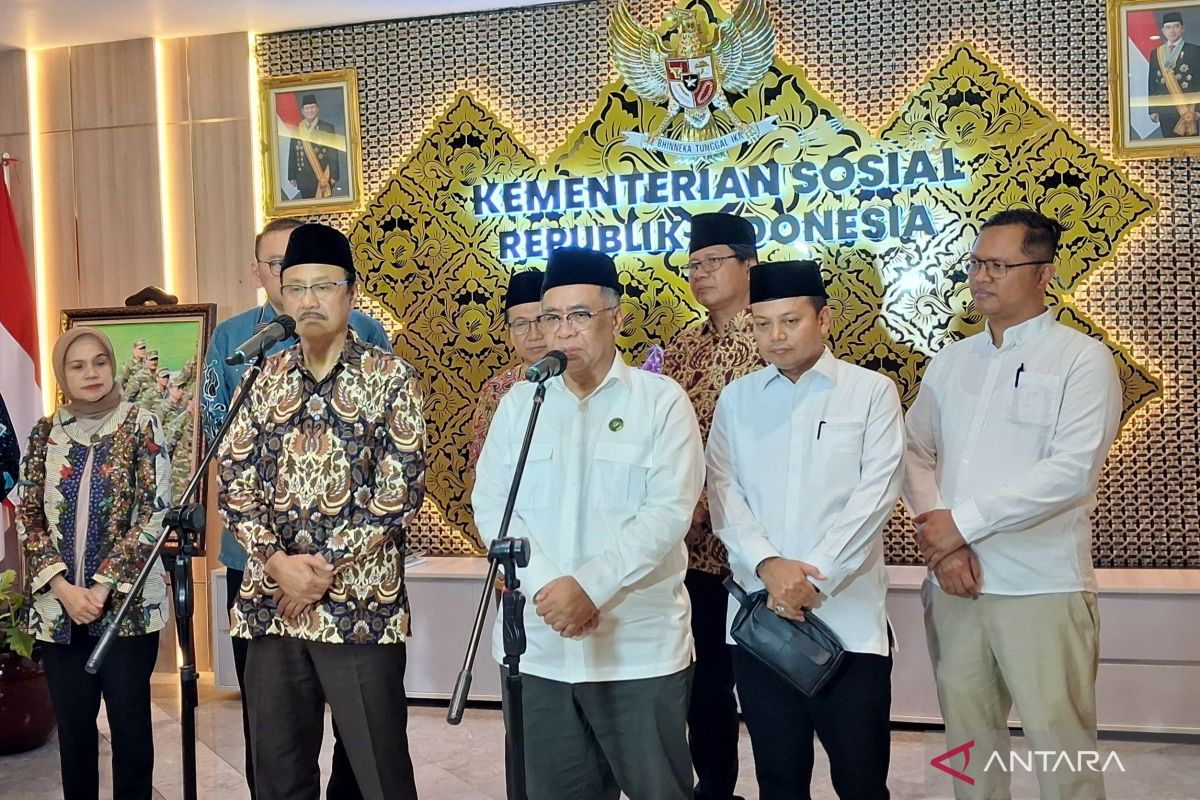
Jakarta (ANTARA) - The Ministry of Social Affairs (Kemensos) is collaborating with the National Zakat Amil Agency (Baznas) to enhance the mobilisation of zakat, infak, and sedekah (ZIS) for community empowerment programmes and the development of people’s housing. “Baznas’s assistance is crucial, especially for families whose homes are built on land not owned by them, making them ineligible for formal government aid. What we will collaborate on with Baznas includes feasible initiatives, such as renovations to make homes for parents or families of students at People’s Schools more habitable,” said Social Affairs Minister Saifullah Yusuf (Gus Ipul) in Jakarta on Thursday. Gus Ipul explained that while there is government assistance as part of President Prabowo Subianto’s strategic programmes for building and renovating habitable homes, not all families can be helped due to budget constraints, particularly those on non-owned land. “For cases like this, we need Baznas’s help because they can assist even if the home is not on their own land,” Gus Ipul stated. The Minister added that in 2025, for instance, Kemensos has partnered with Baznas and the Indramayu Regency Government, which provided one hectare of land for relocating fisherfolk homes in Eretan Village, complemented by empowerment programmes. “The infrastructure and places of worship were built by Baznas, including facilities for MSME empowerment. There was also additional support from a company’s corporate social responsibility (CSR) programme. Alhamdulillah, this collaboration is now complete, and around 93 relocated families have occupied the site,” he said. “This is one of the projects we’ve undertaken, and insya Allah, we will expand to several regencies, including Mesuji Regency in Lampung Province. We will also collaborate to relocate more than 100 fisherfolk families living along riverbanks,” he added. Meanwhile, Baznas Chairman Sodik Mudjahid welcomed Kemensos’s commitment to help boost ZIS mobilisation, noting that the management of community funds must be fair, proportional, impactful, sustainable, and capable of strengthening community institutions. “The current mentoring approach not only focuses on direct aid but builds an ecosystem for community economic empowerment. For example, in Lombok, NTB, Baznas mentors cattle, chicken, and fish farmers whose produce is then absorbed by the Free Nutritious Meals Kitchen (MBG),” Sodik said. Baznas and Kemensos are also inventorying poverty pockets or centres in various regions. The approach goes beyond infrastructure development to include economic mentoring and business capital assistance. For instance, in Aceh and Sumatra, after the emergency disaster response phase ends, community economic mentoring programmes continue through capital aid and post-disaster empowerment.