
Ministry of Religious Affairs Urges Islamic Universities to Open Study Programmes Based on Community Needs
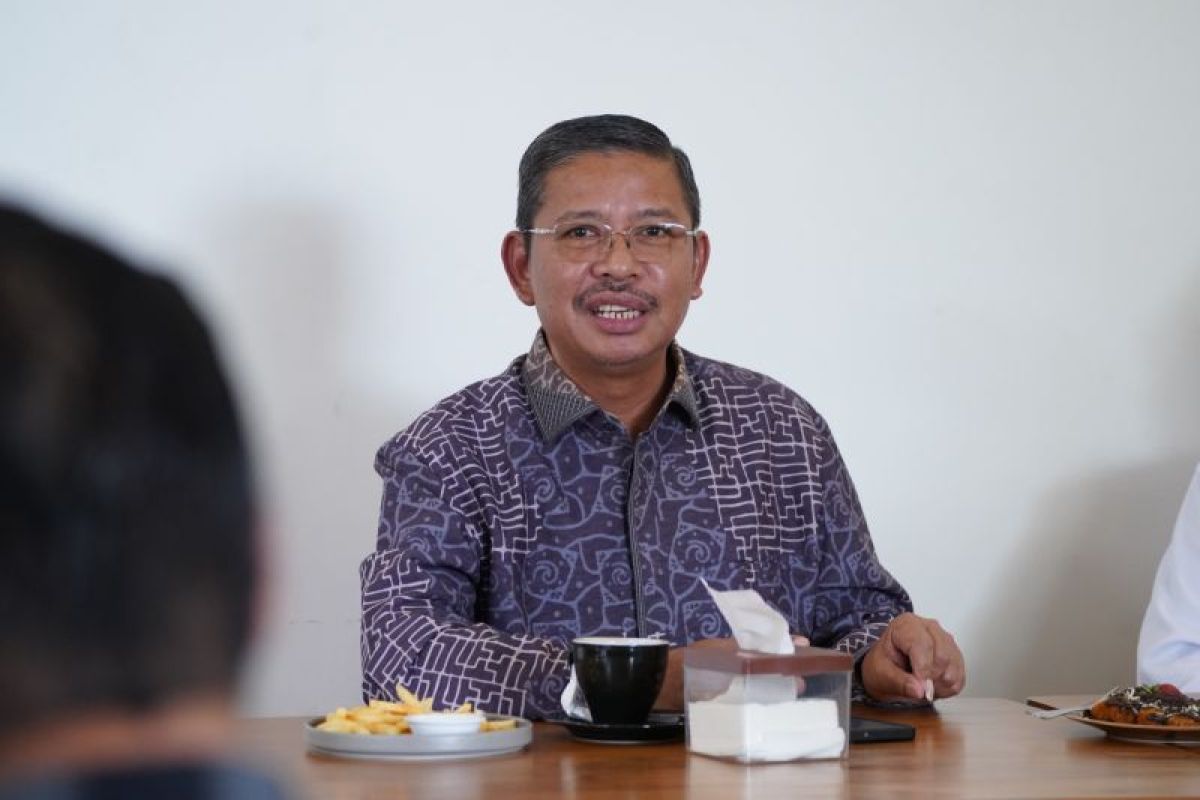
Jakarta (ANTARA) - The Ministry of Religious Affairs has requested that Islamic religious higher education institutions (PTKI) do not merely increase the number of study programmes, but ensure that every developed programme is truly relevant to the needs of society, the workforce, and changing times.
“We must not open study programmes simply because they are trending, while failing to properly calculate the real needs of the community and the professional world,” stated the Director General of Islamic Education at the Ministry of Religious Affairs, Amien Suyitno, in a statement in Jakarta on Thursday.
According to him, universities need to view educational development through a more diverse lens, including academic, professional, and vocational pathways. Not every higher education institution is required to offer the same study programmes.
Suyitno likened universities to restaurants that require a diverse menu to satisfy their customers. Similarly, in higher education, the choice of scientific disciplines must be adjusted to societal needs and the specific strengths of each institution.
“When a university proposes a new study programme, the question is not merely whether the programme can be opened. Rather, it is for what purpose it is being opened, who needs it, what the prospects for its graduates are, and what its contribution to society will be,” he said.
He emphasised the importance of using data in every higher education policy decision. Data regarding labour market needs, demographic developments, technological changes, and regional requirements must serve as the foundation for determining the direction of university development.
On the other hand, increasing access to higher education must go hand in hand with improving quality.
“When we talk about access, we must simultaneously talk about quality,” he said.
According to Suyitno, this quality encompasses the standard of lecturers, infrastructure, research, publications, governance, and the quality of graduates. PTKI also possesses significant opportunities to strengthen the social sciences, humanities, and religious studies, while simultaneously developing strategic fields such as science, technology, health, and informatics.
Suyitno also reminded universities not to be caught off guard by technological changes. Digital transformation must be utilised to strengthen education, research, and academic services, rather than merely following trends.
“Do not be afraid to change and do not be afraid to innovate. However, every change must be data-driven, need-driven, and must maintain quality,” he concluded.