
Ministry of Religious Affairs to Clarify Definition of Kiai Based on Scholarly Lineage
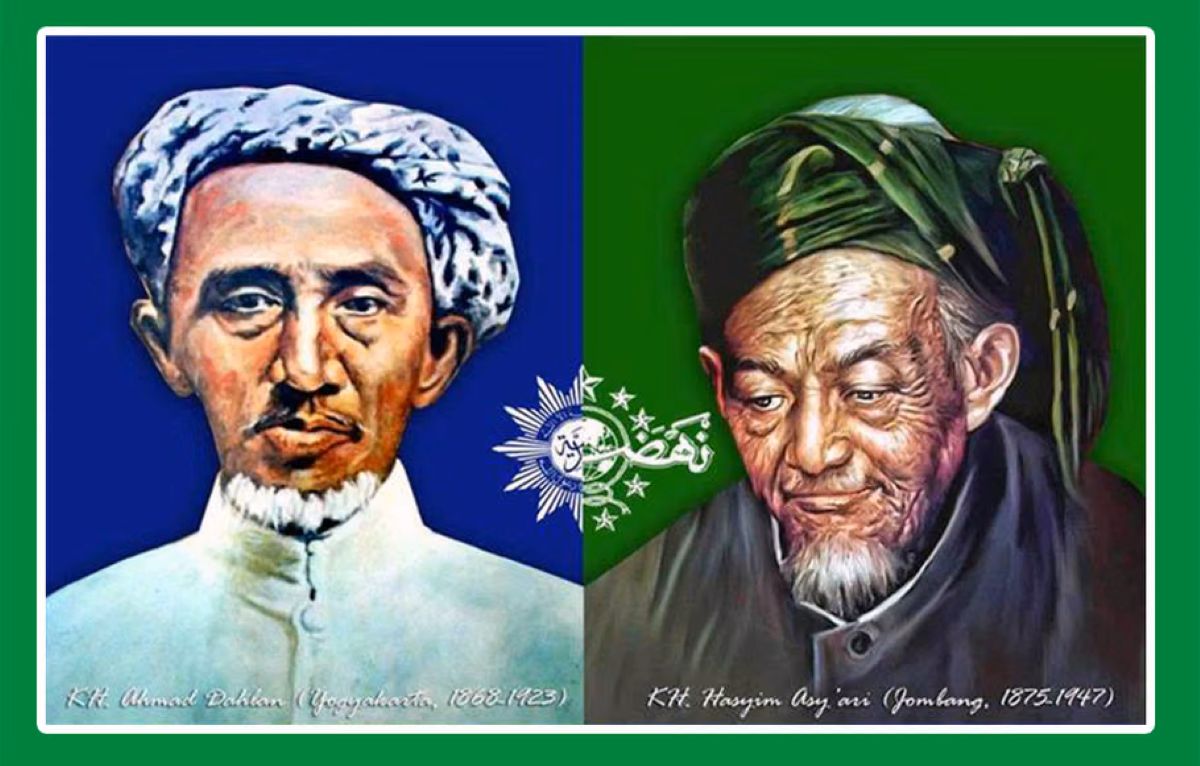
The Ministry of Religious Affairs (Kemenag) plans to clarify the definition of a kiai by placing emphasis on scholarly lineage (sanad). This step is being taken as an effort to prevent the abuse of authority by parties who lack adequate religious capacity.
Director of Diniyah Education and Pondok Pesantren at Kemenag, Basnang Said, revealed that although the meaning of kiai is already stipulated in Law Number 18 of 2019 concerning Pesantren, the ministry views a more in-depth technical explanation as necessary.
‘Technically, what remains is that someone called a kiai is not merely about appearance, pardon me, for example a turban or a peci hat, but the most important thing is the continuity of their knowledge. There is a scholarly sanad and lineage showing that the person in question has also undergone a long period of education at a pondok pesantren,’ Basnang stated on Thursday (16/7/2026).
Basnang stressed that the assessment of a kiai figure will not be carried out through a certification mechanism. Instead, validation will be based on a genuine track record, ranging from their life history, their circle of friends during their studies, to their educational footprint in pondok pesantren.
According to him, a certificate cannot be used as the sole guideline because the pesantren tradition of the past did not recognise a formal certification system. This plan to redefine the term arose from the Minister of Religious Affairs’ concern over the phenomenon of figures emerging who claim to be pious but do not possess adequate scholarly capacity.
‘The redefinition is because the Minister of Religious Affairs is thinking that there are many figures who call themselves pious, but in truth do not have sufficient scholarly capacity,’ Basuki added.
By sharpening this definition, it is hoped that the public can be more selective in referring to a kiai figure, while simultaneously safeguarding the dignity of the pesantren institution from unilateral claims that are not based on a strong scholarly tradition.