
Ministry of Religious Affairs reminds that products must have halal certification by October
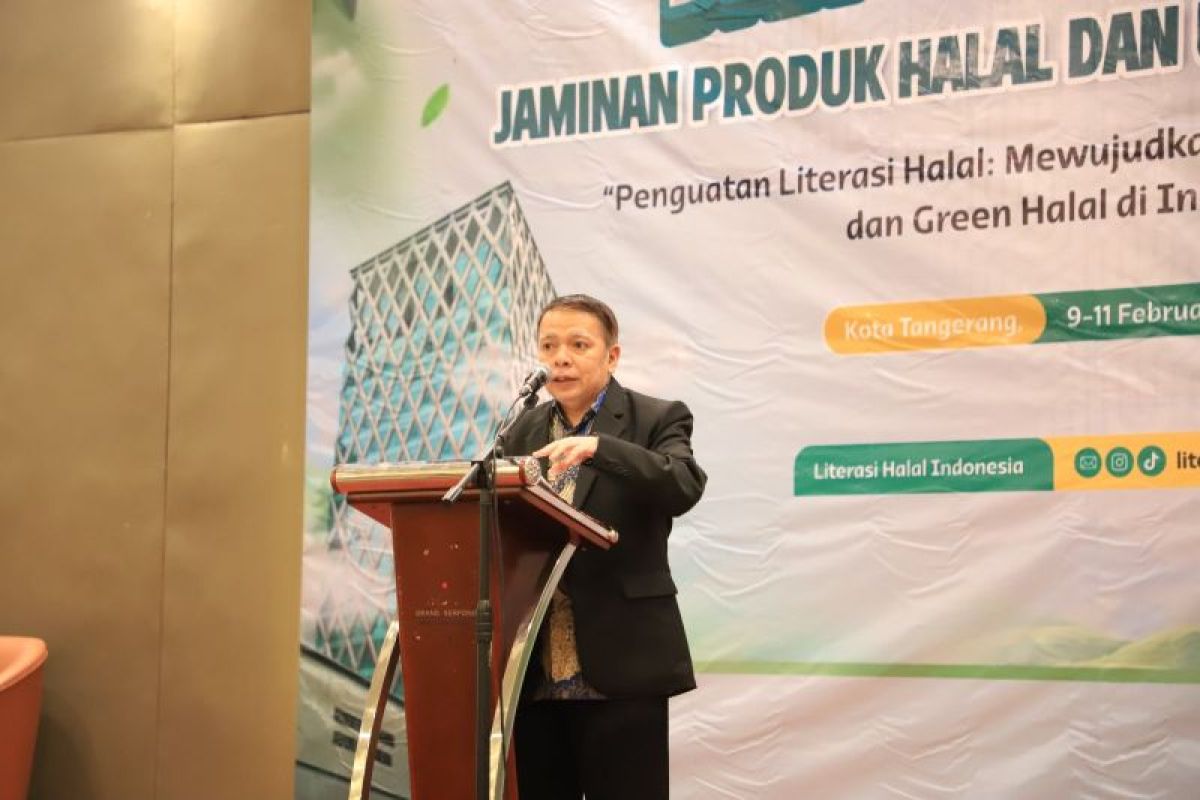
Jakarta (ANTARA) - The Ministry of Religious Affairs has once again reminded about certain products circulating in Indonesia that must have halal certification as the mandatory halal deadline approaches on 17 October 2026. “All products circulating in the categories of food and beverages, quasi-medicines, health supplements, cosmetics, chemical products, genetically engineered products, and consumer goods must have halal certification in accordance with legal provisions,” said the Director of Halal Product Assurance at the Ministry of Religious Affairs, M. Fuad Nasar, in Jakarta on Thursday. Fuad explained that halal regulations are not only about administrative aspects but also religious values and consumer protection. “Halal issues are an external domain of religion that requires regulation through public policy. If not regulated, it can lead to social disorder,” he said. According to him, halal certification differs from business licensing because it requires religious fatwa legitimacy. The implementation of the Halal Product Assurance (JPH) policy has been carried out in stages since 2019. The first phase targets medium and large business actors until 2024, while micro and small enterprises (UMK) and other sectors are given time until 17 October 2026. In this context, the Ministry of Religious Affairs plays a role as the policy formulator guarding halal values, norms, and procedures according to legislation, as well as safeguarding the substance of halal values. “Halal is not merely an administrative label, but it concerns the faith and psychological peace of the ummah,” he stated. In addition, the Ministry of Religious Affairs is strengthening cross-sectoral synergy in the implementation of this policy, while encouraging halal education and literacy in society through the network of religious instructors, educational institutions, and partnerships with Islamic community organisations. The Halal Product Assurance Organising Agency (BPJPH) serves as the main operator in field implementation, from certification services, audits and supervision, to facilitating the Free Halal Certification (SEHATI) programme for UMK. Fuad stated that the success of the 2026 implementation requires cross-sectoral collaboration, including the role of the Indonesian Ulema Council (MUI) in issuing halal fatwas. “The October 2026 Mandatory Halal is not just compliance with rules, but it concerns the future direction of Indonesia’s economy to become a global halal industry centre,” he said.