
Ministry of Religious Affairs Maps Waqf Assets Nationwide to Secure Legal Status and Boost Public Benefit
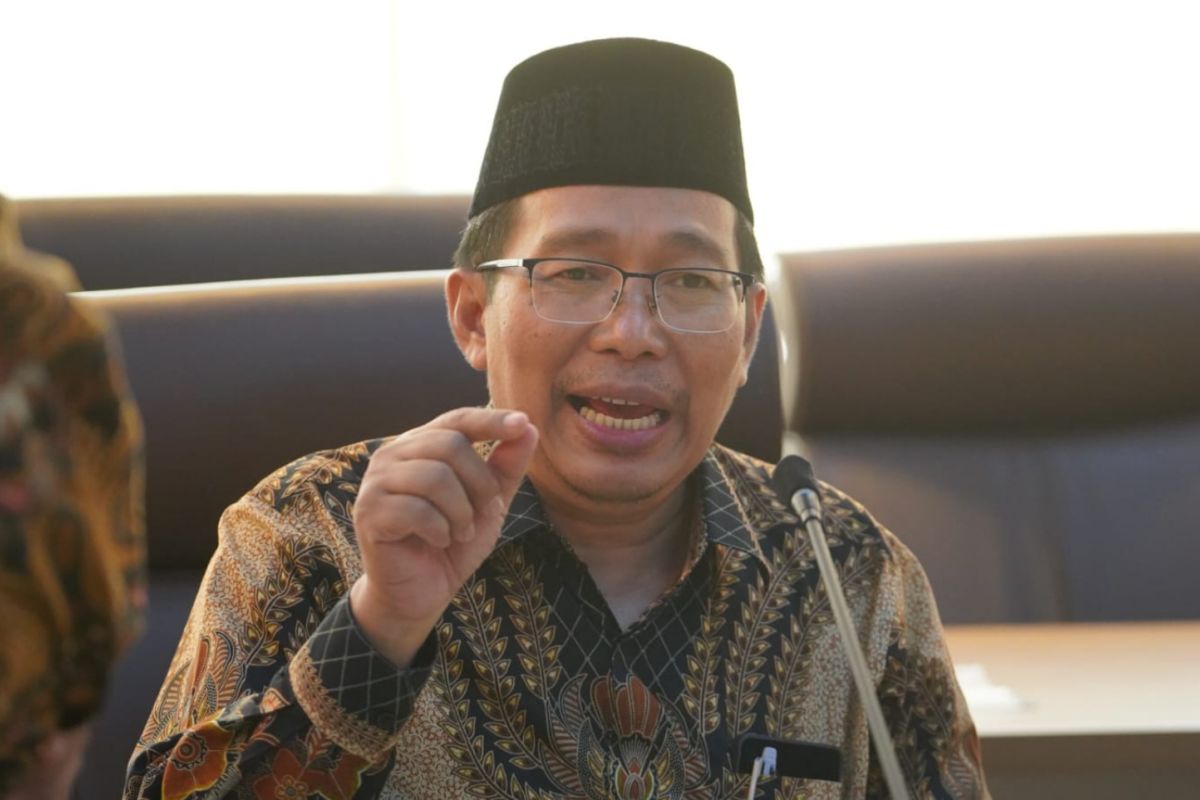
Waqf assets must be safeguarded, their administration must be put in order, and their benefits must be developed so that they can become part of the solution for public welfare.
Jakarta (ANTARA) - The Ministry of Religious Affairs (Kemenag) is mapping waqf assets in various regions across Indonesia, covering the inventory of waqf land, mosques, nazir (waqf managers), waqf documents, certification status, and asset utilisation.
Director of Zakat and Waqf Empowerment at the Ministry of Religious Affairs, Waryono Abdul Ghafur, said the mapping is being carried out to ensure that waqf property has clear data and documents, so that it can be secured and its benefits developed.
“Strengthening waqf must begin with orderly administration, because waqf assets that do not have clear documents will face the risk of disputes and loss of their social function,” Waryono said in his statement in Jakarta on Tuesday.
According to him, Indonesia’s geographical conditions are vast, diverse, and challenging. These conditions mean that waqf asset data collection needs to be carried out down to the village level and reach coastal areas and archipelagos.
The Boleng District Religious Affairs Office (KUA) is a newly established KUA that received development support through the State Sharia Securities (SBSN) scheme in 2018. The institutional strengthening was followed by improvements in the quality of data collection and governance of religious assets.
According to Waryono, the KUA can serve as a centre for waqf data collection and guidance through asset mapping, nazir development, administrative facilitation, digital data updating, and coordination with the Indonesian Waqf Board (BWI), the Ministry of Agrarian Affairs and Spatial Planning/National Land Agency (ATR/BPN), the National Amil Zakat Agency (Baznas), and Amil Zakat Institutions (LAZ).
“Waqf assets must be safeguarded, their administration must be put in order, and their benefits must be developed so that they can become part of the solution for public welfare,” Waryono said.
During the monitoring, the Ministry of Religious Affairs also evaluated a number of waqf assets in the Boleng area. The waqf land of the Al-Mujahidin Islamic Education Complex in Boleng has completed its certification. Meanwhile, the nazir of the Al-Munawarah Terang Mosque waqf has received guidance.
Data that needs to be confirmed includes the identity of the wakif (waqf donor) and nazir, the area and location of the land, the designated purpose of the waqf, the Waqf Pledge Deed (AIW) or the Substitute Waqf Pledge Deed (APAIW), and the land certificate.
He also emphasised the importance of digitally updating waqf land data. Accurate data is needed to determine the condition of assets, their legal status, and their utilisation.
“Securing waqf is not only about protecting the physical land, but ensuring that its legal status, administration, nazir, and utilisation remain in accordance with the waqf pledge,” said Myrna.
Source: jawawa.id (https://jawawa.id/newsitem/ministry-of-religious-affairs-maps-waqf-assets-nationwide-to-secure-legal-status-and-boost-public-benefit-1786442240)
Originally published by Antara (Indonesian) (https://www.antaranews.com/berita/5689217/kemenag-petakan-aset-wakaf-pastikan-harta-wakaf-punya-data-dokumen), translated from Indonesian