
Ministry of Religious Affairs Issues Circular on Restricting Gadget Use in Educational Institutions
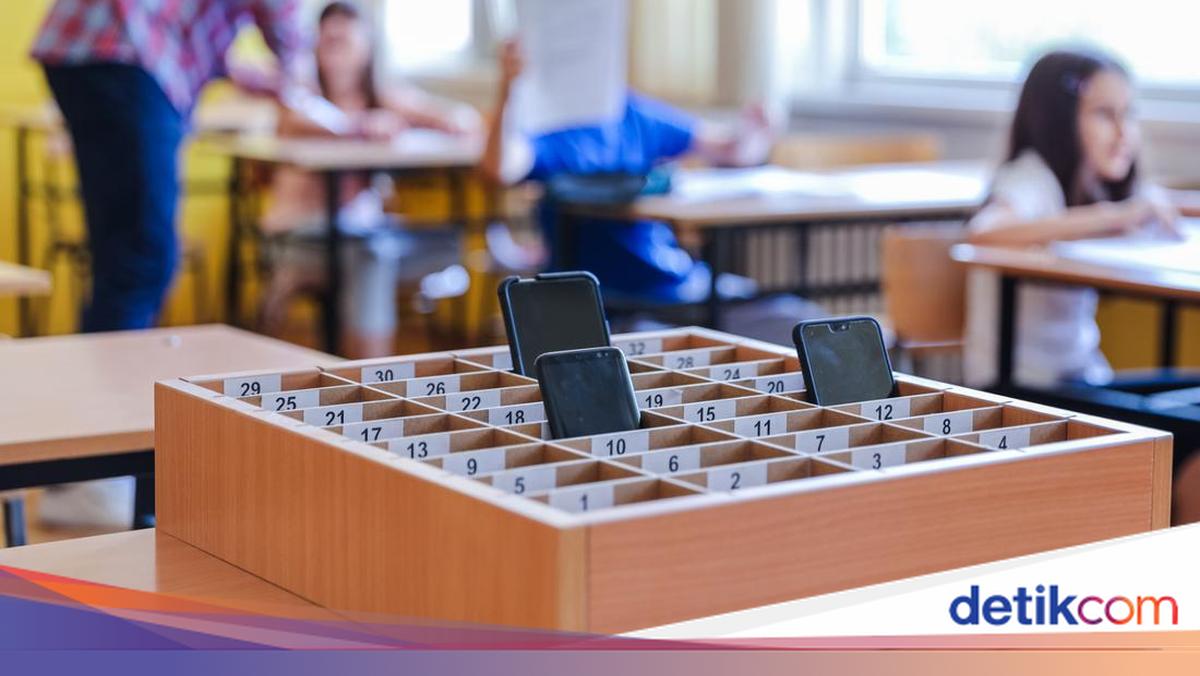
The Ministry of Religious Affairs (Kemenag) has issued Circular Letter Number 19 of 2026 regarding the Restriction of Gadget Use in Educational Institutions under the Ministry’s jurisdiction. These institutions include madrasahs, pesantren, diniyah education, theological schools, pasraman, pesantian, widyalaya, dhammasekha, and similar entities.
Kemenag Secretary-General Kamaruddin Amin stated that the circular was established on 31 August 2026. The circular aims to regulate gadget use within educational environments to create a safer and more conducive learning space.
“The circular applicable to educational institutions under the Ministry of Religious Affairs aims to: create a safe and comfortable learning culture, increase learning concentration, enhance social interaction between students, protect students from the negative impacts of improper gadget use, form a healthy, safe, wise, and responsible digital culture, and optimise the use of digital technology to support learning,” Kamarundin said in a statement on Sunday (20/9/2026).
He noted that these rules serve as a guide for parents or guardians to provide supervision when using gadgets, meaning these regulations also apply when students are at home.
“The regulation does not only apply to students while they are within religious educational institutions, but is also accompanied by guidelines for parents to supervise their children’s use of gadgets and the internet at home,” he added.
Kamaruddin explained that the restriction on gadget use is not intended to distance students from technology. According to him, the use of digital technology remains necessary in learning, but its use must be directed and appropriate to the needs.
“We do not want to distance children from technology. What we want to build is the ability to use technology in a healthy, safe, wise, and responsible manner. Gadgets can still serve as learning tools, but their use must be directed and proportional,” he said.
The rules include prohibiting students from using gadgets within the educational environment, except under direct instruction from teachers for learning purposes. Gadgets may only be used before or after school hours, or in emergencies with permission from the teacher or homeroom teacher.
“The provisions also apply to teachers and educational staff. They are prohibited from using gadgets during teaching and learning activities if the use is unrelated to the learning process,” he said.
Furthermore, Kamaruddin mentioned that educational institutions may provide lockers or storage areas for gadgets in every classroom or staff room. Teachers or homeroom teachers may also collect gadgets at the start of lessons and return them when students leave, with the devices turned off or in airplane mode.
“Schools are also requested to provide official channels for urgent communication needs with parents. The gadget restriction policy should subsequently be incorporated into the school’s code of conduct without any elements of violence, with sanctions that are educational and proportional,” he said.
Additionally, regulating gadgets for students is a way to anticipate bullying and other negative content. He noted that improper gadget use can disrupt learning concentration and the quality of social interaction between students.
“Schools must be a safe and comfortable space for children to learn and interact. We want to reduce distractions during learning while protecting them from the risks of cyberbullying, negative content, and improper internet use,” said Kamaruddin.
“Therefore, these rules also prohibit the access, storage, or distribution of content involving violence, pornography, gambling, cyberbullying, hoaxes, and other content that endangers children,” he continued.
Furthermore, he stated that the rules include a prohibition on uploading photos and videos that violate the privacy of others. The rules also prohibit students from being involved in online gambling.
“Students and teachers are prohibited from taking, storing, or uploading photos and videos that violate the privacy or dignity of others without permission. Online loan transactions, online gambling, and commercial activities unrelated to learning are also prohibited within educational institutions,” he said.
Kamaruddin added that families must act as supervisors for their children’s gadget use. He noted that students should be given time limits for gadget usage.
“These rules direct parents or guardians to regulate the limits of gadget use at home to a maximum of two hours per day, excluding educational needs,” he said.
Furthermore, parents are encouraged to activate parental control features, including content age restrictions, app purchase or download restrictions, safe search, and screen time settings. Gadget use should be directed to open areas in the home, such as the living room, rather than the bedroom.
For this reason, Kamaruddin stated that parental supervision is a vital part of the policy. Parents must not only limit the duration of device use but also build communication with their children regarding their activities in the digital space.
“The formation of healthy digital habits cannot be placed solely on the schools. Parents need to be present, engage in dialogue with their children, provide an example of wise gadget use, and provide alternative activities so that children do not become dependent on digital devices,” he explained.
He said the rules encourage families to provide non-gadget alternative activities, such as sports, arts, reading books, religious activities, or community activities. Parents are also asked to spend time with their children to interact and engage in activities away from gadgets.
“The implementation of this policy also involves School Committees, the Violence Prevention and Handling Team (TPPK), religious figures, youth organisations, influencers, local community leaders (RT/RW), community empowerment agencies, cadres, and other elements of society,” he said.