
Ministry of Religious Affairs Drafts LGBTQ Education Guidelines for Religious Counsellors
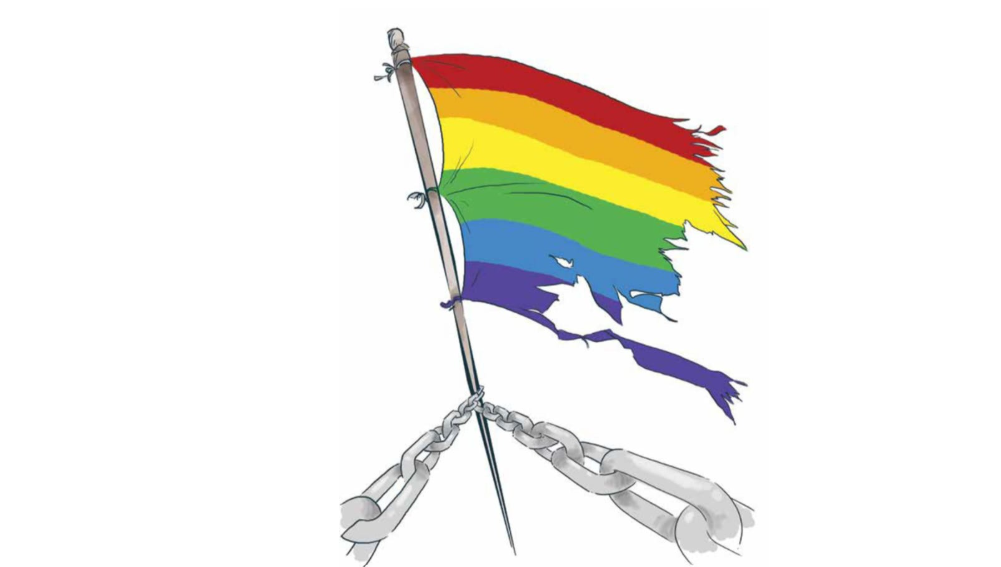
The Ministry of Religious Affairs (Kemenag) is currently drafting religious education materials to serve as guidelines for religious educators in conveying understanding regarding LGBTQ (lesbian, gay, bisexual, transgender, and queer) issues. The material is designed to ensure that communication to the public is consistent with Islamic teachings and the prevailing legal provisions in Indonesia.
The preparation of these guidelines is part of an effort to strengthen the capacity of religious educators in providing religious education related to various social issues developing in society, including preventing the spread of LGBTQ culture.
The Director General of Islamic Community Guidance at the Ministry of Religious Affairs, Abu Rokhmad, stated that religious educators hold a strategic position because they interact directly with the community through various religious guidance activities.
“Our colleagues, the religious educators and preachers, have a close connection with the community. Through guidance and religious coaching activities, they can serve as the spearhead in delivering education in a polite, persuasive, and easily understood manner,” said Abu Rokhmad on Wednesday (8/7).
According to Abu, there are five main roles undertaken by religious educators in responding to social issues. He explained that this guidance is carried out through various channels, such as religious study groups, Majelis Taklim, family guidance, and other religious forums. Through these activities, religious educators are expected to help the community understand social issues based on the values of Islamic teachings.
In addition to providing guidance, religious educators are also encouraged to increase the religious literacy of the community so they can respond to various social issues wisely and not be easily influenced by incorrect information. Assistance to families and the community is conducted using a dialogic and humanistic approach, tailored to the social conditions on the ground.
Abu emphasised that religious educators are obliged to explain the Islamic view on various social issues, including LGBTQ issues, using an argumentative delivery without abandoning politeness.
The preparation of these educational materials is an implementation of the Ministry of Religious Affairs’ duties as mandated in Presidential Regulation (Perpres) Number 153 of 2024 concerning the Ministry of Religious Affairs. This regulation governs the function of fostering religious life through guidance and counselling services to the community.
“We are preparing this material so that religious educators have the same guidelines when providing education to the public. The delivery must prioritise a wise, argumentative, and easily understood approach so that the religious message can be well-received,” he said.
Furthermore, the material being drafted is expected to become a national reference for all religious educators in explaining the Islamic view on LGBTQ issues wisely and based on national legal provisions.
The Ministry of Religious Affairs is also preparing strategies to deliver the material through various existing channels, such as Friday sermons, religious studies in mosques and prayer rooms, and family guidance. This step is expected to support the realisation of a religious life that is harmonious, peaceful, and in line with statutory regulations.
Source: jawawa.id (https://jawawa.id/newsitem/ministry-of-religious-affairs-drafts-lgbtq-education-guidelines-for-religious-counsellors-1783497185)
Originally published by Media Indonesia (https://mediaindonesia.com/humaniora/908727/kemenag-susun-pedoman-edukasi-isu-lgbtq-bagi-penyuluh-agama), translated from Indonesian