
Ministry of Public Works to be Involved in Plan to Build Temporary Housing for Residents Along Senen Railway Tracks
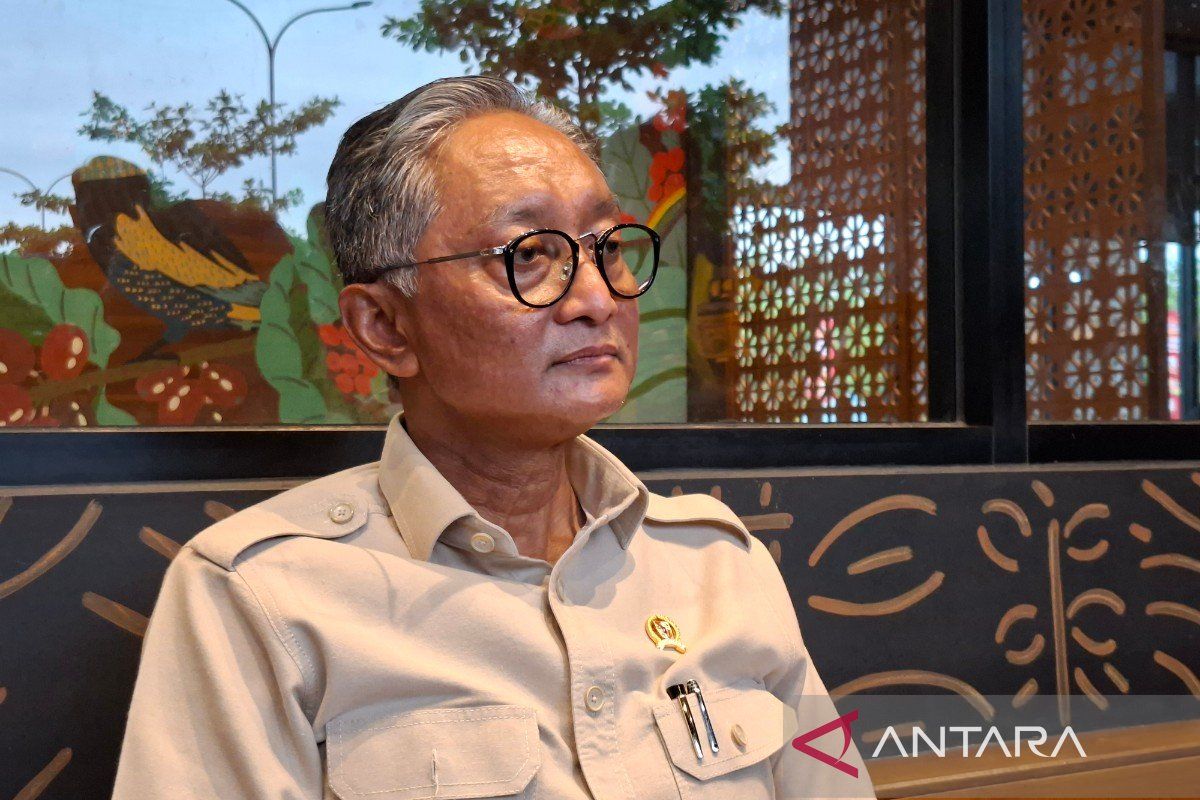
Central Java (ANTARA) - Minister of Public Works Dody Hanggodo revealed that the Ministry of Public Works will be involved in the plan to build 1,000 units of temporary housing or huntara for residents still living around the railway tracks in the Senen area, Jakarta.
“If that’s the plan to create temporary housing, for around 1,000 units. We’re currently working on it together between the Ministry of Public Works, the Minister of State Secretary, the Cabinet Secretary, and the landowner from the railway company (PT KAI),” Dody said at the Rest Area KM379 A of the Batang-Semarang Toll Road, Central Java, on Saturday.
He added that the land for the planned huntara construction will be discussed in more detail with PT KAI, possibly on Monday.
“We estimate for 1,000 units whether the land provided is sufficient for 1,000 huntara units, or if we need to modify the temporary housing to go upwards (vertically), for example like what we’re doing in the Nusantara Capital or IKN, so that for 1,000 units it requires less land. Well, that will be after the land has been cleared by the railway company,” he said.
“The plan is for Tanah Abang, but the details later, the details on Monday after I meet the Director of KAI, then we can inform more details on what it will be like,” Dody said.
For information, President Prabowo Subianto has instructed several ministries/institutions to build housing for residents still living along the railway tracks, after previously inspecting the settlements around the railway tracks in the Senen area, Jakarta.
He mentioned that when the President inspected the Senen railway fringe area on Thursday (26/3), the residents reported that they had been living in that railway fringe area for decades with limited housing conditions and roofs.