
Ministry of Population: Family Planning Counselling Needs to be More Adaptive in the Digital Era
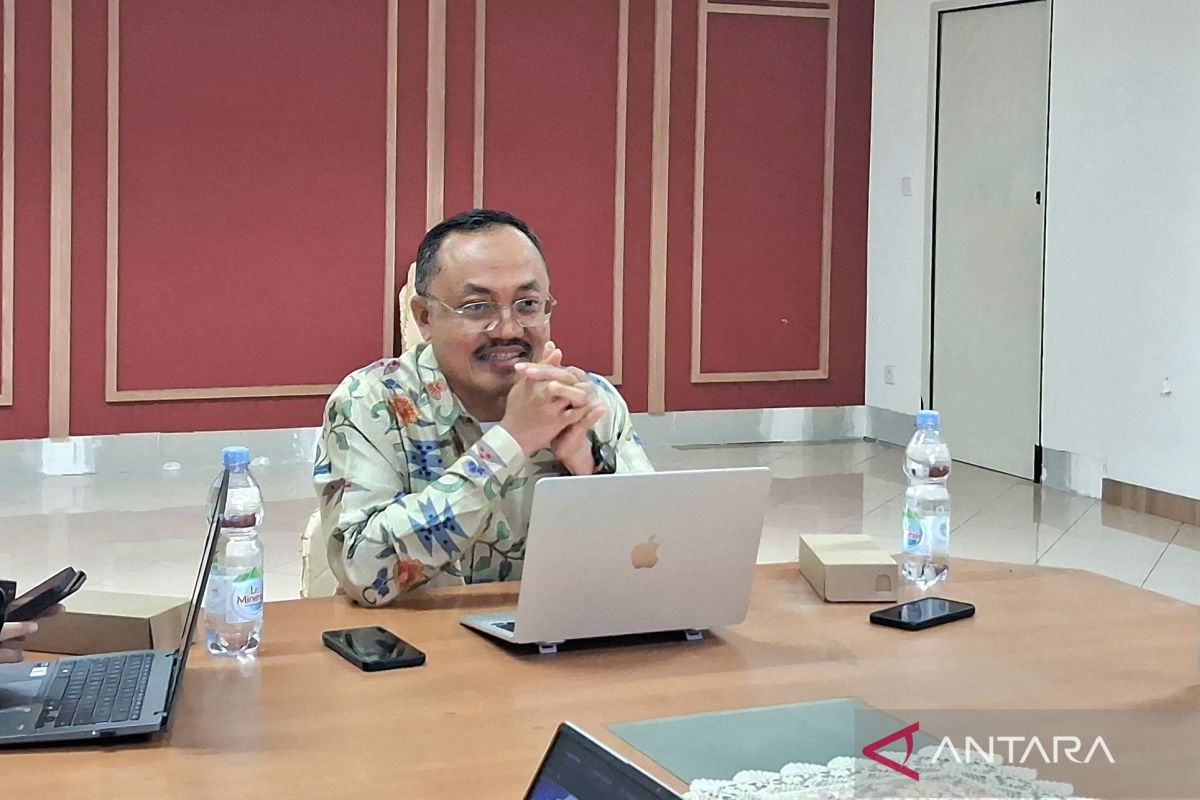
Jakarta (ANTARA) - The Ministry of Population and Family Development (Kemendukbangga)/BKKBN has stated that family planning (KB) counselling needs to be more adaptive in the digital era to ensure that the public receives accurate information regarding which services best suit their family’s needs.
Based on family data collection and the 2025 Intercensal Population Survey (SUPAS), Indonesia’s total fertility rate (TFR) stands at approximately 2.12. However, gaps remain in the quality of family planning services, including discontinuation rates influenced by side effects and health-related reasons.
“The quality of family planning services is not only determined by contraceptive tools and medicines but is also influenced by the education and counselling received by clients,” said the Deputy for Family Planning Development and Reproductive Health at Kemendukbangga/BKKBN, Wahidin, in Jakarta on Tuesday.
Comprehensive counselling is essential so that consumers understand their contraceptive options. This effort is being driven through the Method Information Index (MII) and the Family Planning Service Quality Index (IKP). The MII covers information regarding contraceptive methods, side effects, and their management, while the IKP measures the overall quality of family planning services.
According to Wahidin, the MII and IKP are vital approaches to ensure that acceptors obtain key information regarding contraceptive devices, medicines, or types, as well as side effects and available solutions.
Best practices in strengthening the MII and IKP are demonstrated in the province of DKI Jakarta, which, according to the 2025 Family Data Collection (PK), recorded the highest national achievement with an MII of 64.8 and an IKP of 71.7. This achievement aligns with DKI Jakarta’s TFR, which stands at 1.79.
Head of the Department of Empowerment, Child Protection, and Population Control, Leny Yunengsih, stated that the current family planning paradigm increasingly places reproductive rights, informed choice, and health literacy as essential components of service.
“Moving forward, we will continue to strengthen counselling and Communication, Information, and Education (KIE) for family planning and reproductive health through various media, increase the competence of officers, and, most importantly, foster cross-sector coordination,” said Leny.
Obstetrician-Gynecologist Dr Ayu Angelina Ronosulistyo explained that these conditions are changing the starting point of the counselling process. Therefore, healthcare workers need to build non-judgmental communication using the ‘ACTIVE’ approach, which stands for: ask, clarify, tell the evidence, individualise, verify, and encourage.