
Ministry of Population: Family Planning and Education Must Go Hand in Hand for Human Capital Investment
Jakarta (ANTARA) - The Ministry of Population and Family Development (Kemendukbangga)/BKKBN has emphasised the importance of the Family Planning (KB) programme running alongside educational development to ensure investment in high-quality human resources (SDM).
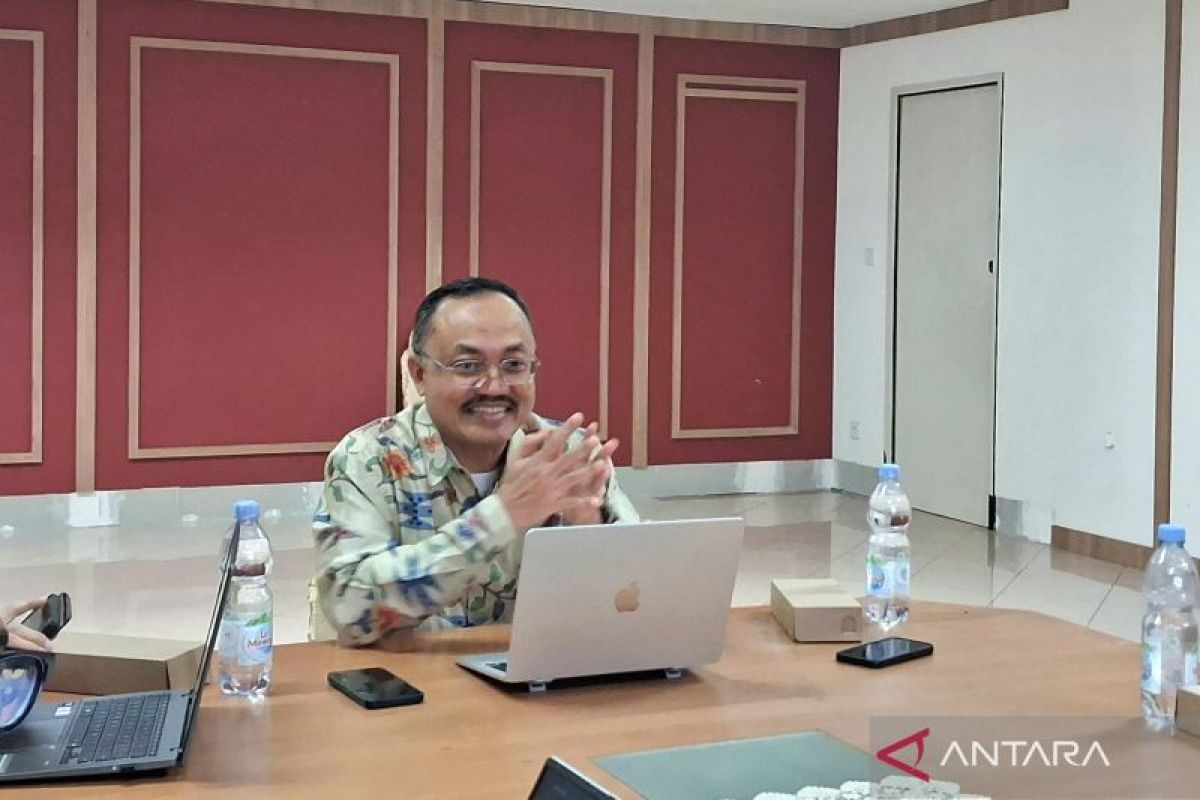
“If family planning runs in tandem with education, we might already be prosperous. In major cities, awareness of family planning may already be high, but in other regions, including remote areas, this is not yet uniform, partly due to disparities in education levels. In reality, this family planning programme can serve as an investment in human resource development, rather than merely birth control,” said the Deputy for Family Planning Development and Reproductive Health at Kemendukbangga/BKKBN, Wahidin, in Jakarta on Wednesday.
He stated that based on various research findings, investment in family planning is considered cost-effective because it provides multidimensional benefits, ranging from maternal and child health, education, and women’s workforce participation to productivity and the strengthening of the demographic bonus.
“Family planning contributes to the reduction of stunting by preventing high-risk pregnancies, known as the ‘4 Too’ risks: too young, too old, too close, and too many. Regulating pregnancy intervals is a crucial intervention; according to USAID analysis, if all birth-pregnancy intervals are extended to three years, approximately 1.6 million toddler deaths could be prevented annually,” said Wahidin.
He added that the impact of family planning affects not only health but also fiscal and socio-economic factors. The benefits of family planning investment include savings in child-rearing costs, reduced healthcare expenditures due to maternal and toddler mortality/morbidity, and increased education, workforce participation, and productivity among women.
The government’s target for 2025–2029 is to increase the proportion of family planning needs met with modern methods from 83.9 per cent to 87.1 per cent, and to reduce the unmet need for family planning from 11.1 per cent to 8.5 per cent by 2029.
The percentage of unintended pregnancies is also targeted to drop from 13.2 per cent to 11.3 per cent by 2029, while the percentage of couples of childbearing age (PUS) facing high-risk ‘4 Too’ pregnancies is targeted to decrease from 28.3 per cent to 26.8 per cent by 2029.
“The government continues to improve access to and the quality of family planning and reproductive health services as a primary strategy for human resource investment. Services are being directed to be comprehensive, inclusive, and based on regionality and life cycles, while simultaneously reducing service disparities in underdeveloped, island, and border regions, as well as for marginalised groups,” said Wahidin.
Source: jawawa.id (https://jawawa.id/newsitem/ministry-of-population-family-planning-and-education-must-go-hand-in-hand-for-human-capital-investment-1790165337)
Originally published by Antara (Indonesian) (https://www.antaranews.com/berita/5754913/kemendukbangga-kb-dan-pendidikan-perlu-beriringan-untuk-investasi-sdm), translated from Indonesian