
Ministry of Population and Family Development develops reproductive health book for all life stages
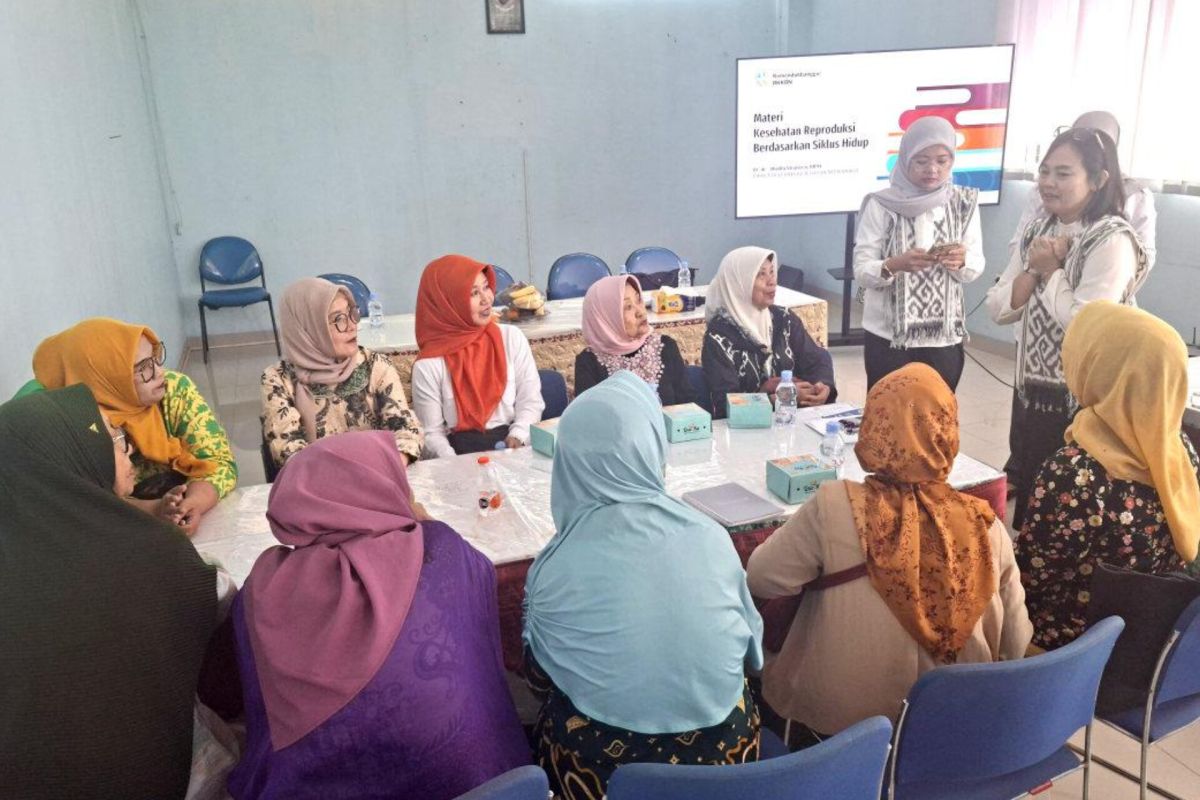
Jakarta (ANTARA) - The Ministry of Population and Family Development (Kemendukbangga) is developing a ‘Reproductive Health Book Based on the Life Cycle’ to serve as a reference to help the public understand reproductive health. In relation to the book’s development, socialisation and readability testing are being conducted to determine how well the content can be understood by users, allowing for refinements before wider distribution.
“This book is being compiled as a reference to assist the public in understanding reproductive health according to their respective stages of life,” said the Director of Reproductive Health Development at Kemendukbangga, Riri Mutia Ichwan, in a statement in South Jakarta on Friday.
According to her, the approach to reproductive health should not only target those of reproductive age but must be understood comprehensively throughout the life cycle, starting from early childhood, adolescence, and adulthood, through to old age. Currently, several challenges remain regarding the understanding and practice of reproductive health in society, including low reproductive health literacy, the persistence of myths and stigma, early marriage, unplanned pregnancies, and limited access to quality information and services.
“There is also an educational approach that has not yet been integrated based on the life cycle, which is considered to make various interventions suboptimal and unsustainable,” Riri noted.
“We hope that the socialisation and readability testing of this life-cycle-based reproductive health book can increase understanding and build public awareness regarding the importance of reproductive health at every stage of life,” she added.
Meanwhile, the Head of the South Jakarta Sub-department for Women’s Empowerment, Child Protection, and Population Control (PPAPP), Rizky Hamid, expressed appreciation for the activity and hoped the materials presented could be disseminated widely to the community. “We are very pleased and thank Kemendukbangga for initiating this activity. Participants also appeared enthusiastic and listened closely to the material presented by the speakers,” said Rizky.
A total of 40 participants attended the socialisation and readability testing of the life-cycle-based reproductive health material, held at the South Jakarta PPAPP Sub-department building hall. The participants included village-level Family Planning Educators (PKB), sub-district-level Integrated Family Service (PKT) officers, village health cadres, Children’s Forums, Generation Planning Forums (Genre), and administrators and students of elderly schools.