
Ministry of Marine Affairs and Fisheries: Seminyak's 3R Waste Plant a National Model for Reducing Marine Debris
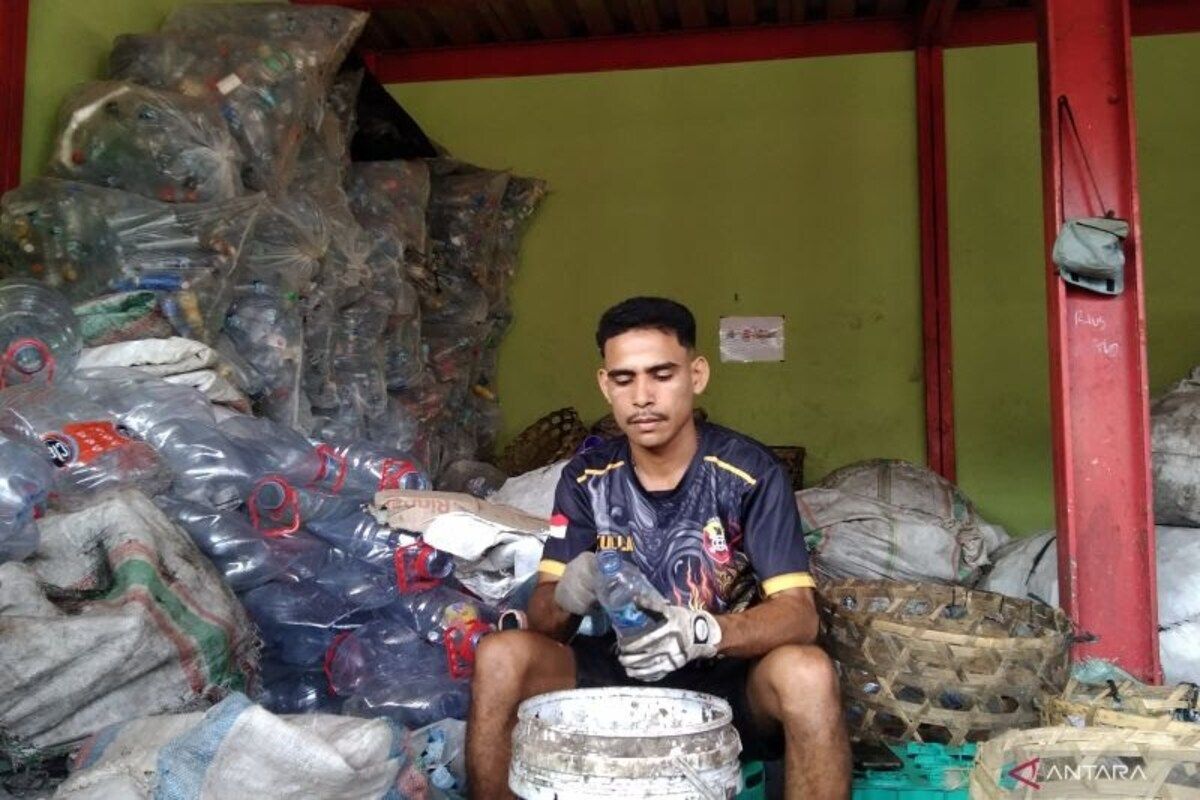
The Ministry of Marine Affairs and Fisheries (KKP) has stated that the Reduce-Reuse-Recycle (TPST 3R) Integrated Waste Management Site in Seminyak, Badung Regency, Bali, can serve as a national model for reducing the leakage of waste into the sea.
“Imagine how heavy the burden of waste management is; it requires collaboration because the impact is so significant,” said Ahmad Aris, Director of Coasts and Small Islands at the KKP, in a press release received in Denpasar, Bali.
He explained that KKP data indicates that of Indonesia’s estimated 50 million tonnes of total waste accumulation, 40 per cent flows into the ocean, amounting to approximately 27 million tonnes. The government, Aris continued, has implemented a strategy focused on prevention at various points, including coastal villages, ports, and inhabited islands.
He noted that Indonesia has 675 rivers flowing through urban and residential areas that are estimated to contribute waste to the sea. Furthermore, there are 12,198 coastal areas in Indonesia at risk of marine debris, alongside 1,203 inhabited small islands and 454 ports, 43 of which are managed by the central government while the remainder are managed by local authorities.
While waste management approaches vary by region, he believes the management practices implemented at the Seminyak Traditional Village TPST 3R can serve as a reference for other areas. Established in 2003, the TPST 3R serves as the backbone for waste sorting along the Seminyak Beach coast and implements circular economy practices by processing used bottles.
The Chairman of the Seminyak Traditional Village TPST 3R, I Komang Ruditha Hartawan, added that they now operate a workshop and a machine press warehouse, capable of processing up to 11 tonnes of used bottles to generate additional business income. Through a partnership with a major soft drink company, these used plastic bottles are transformed into high-value products.
He emphasised that collaboration is a vital and urgent necessity to ensure waste is managed at the coastal level and does not migrate to the ocean, which could lead to even greater environmental issues. According to records from the Bali Environmental and Cleanliness Service (DLHK), waste volume on the island continues to rise; in 2024, estimated waste production per person reached 1.05 kg per day, up from a previous 0.75 kg per day.