
Ministry of Manpower: Synergy with Educational Institutions Essential to Address Labour Challenges
Jakarta (ANTARA) - The Ministry of Manpower (Kemnaker) believes that collaboration between the government and educational institutions is a vital step in addressing labour challenges, such as skill mismatches and the ‘link-and-match’ gap.
“This cooperation can strengthen the link and match between higher education and the requirements of the labour market and the industrial world,” stated the Secretary General of the Ministry of Manpower, Cris Kuntadi, in a statement in Jakarta on Saturday.
According to him, this move is an important effort in preparing human resources (SDM) that are adaptive and competent amidst rapid technological developments and industrial automation.
This strategic step, he continued, is realised through the strengthening of synergy between the government and higher education institutions to ensure that graduate qualifications are increasingly aligned with the needs of the working world.
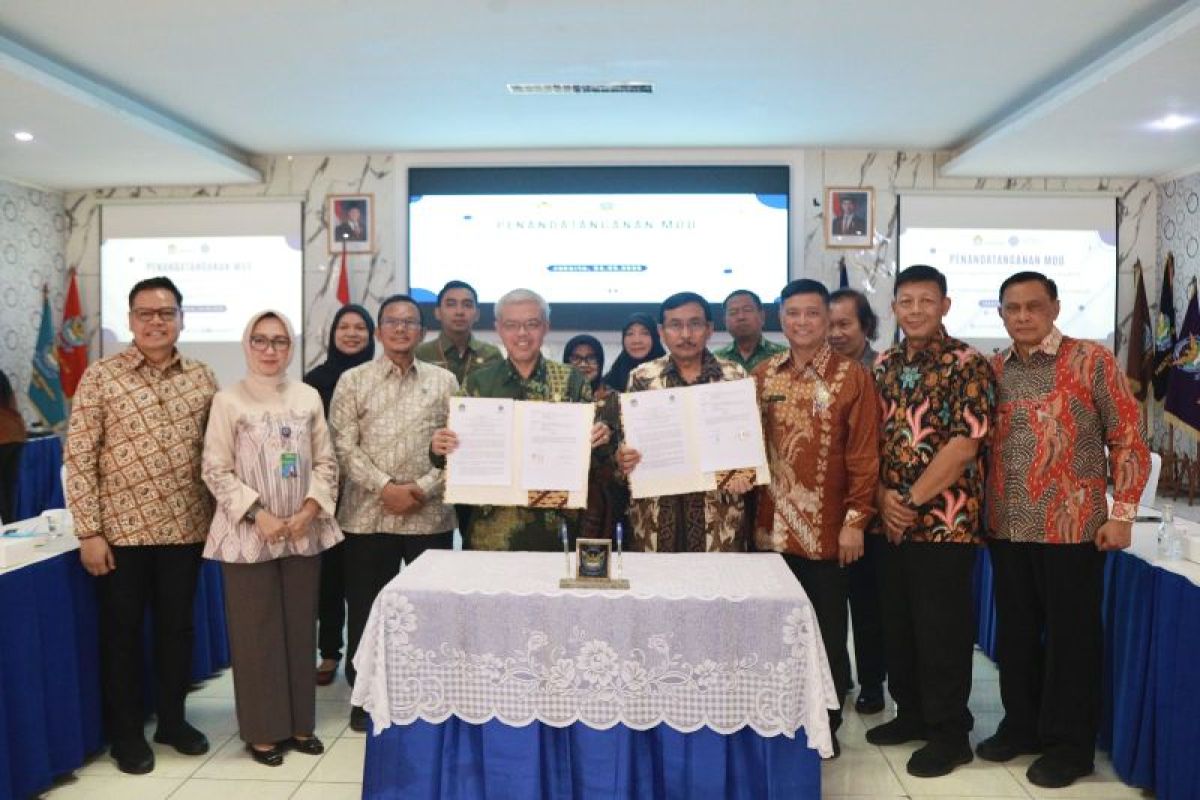
As a tangible form of commitment, he stated that the Ministry of Manpower has established a partnership with Universitas Dirgantara Marsekal Suryadarma (Unsurya) through the signing of a Memorandum of Understanding (MoU) this week.
Cris noted that the current shift in industrial structure requires universities to focus on more than just academic achievements. Educational institutions are required to produce graduates who are ready for employment and responsive to the demands of the digital era.
“Educational institutions also need to equip students with applied skills, adaptability, and characters that meet the demands of the professional world,” he said.
Furthermore, Cris explained that this collaboration is specifically designed to reduce the qualification gap frequently experienced by graduates when attempting to enter the labour market.
He added that both parties have agreed to collaborate in several strategic areas. The scope includes human resource competency development, the utilisation of labour market information systems, and the provision of professional training and certification.
This partnership, he continued, also facilitates the exchange of knowledge between practitioners and academics. This synergy is targeted to enrich the perspective of policy-making, making it more relevant to real-world challenges.
Additionally, academic research based on empirical data is expected to serve as the primary foundation for formulating public policy. This approach ensures the presence of targeted solutions for various national labour issues.
“I hope this cooperation does not stop at the ceremonial signing alone, but can be followed up in the form of concrete, measurable work programmes that provide real benefits for students, graduates, as well as the business and industrial worlds,” said Cris.