
Ministry of Manpower begins preparing roadmap for domestic worker governance
Nagekeo, East Nusa Tenggara (ANTARA) - The Ministry of Manpower (Kemnaker) has begun preparing a roadmap for the governance of domestic workers (PRT) following the enactment of Law Number 2 of 2026 concerning the Protection of Domestic Workers.
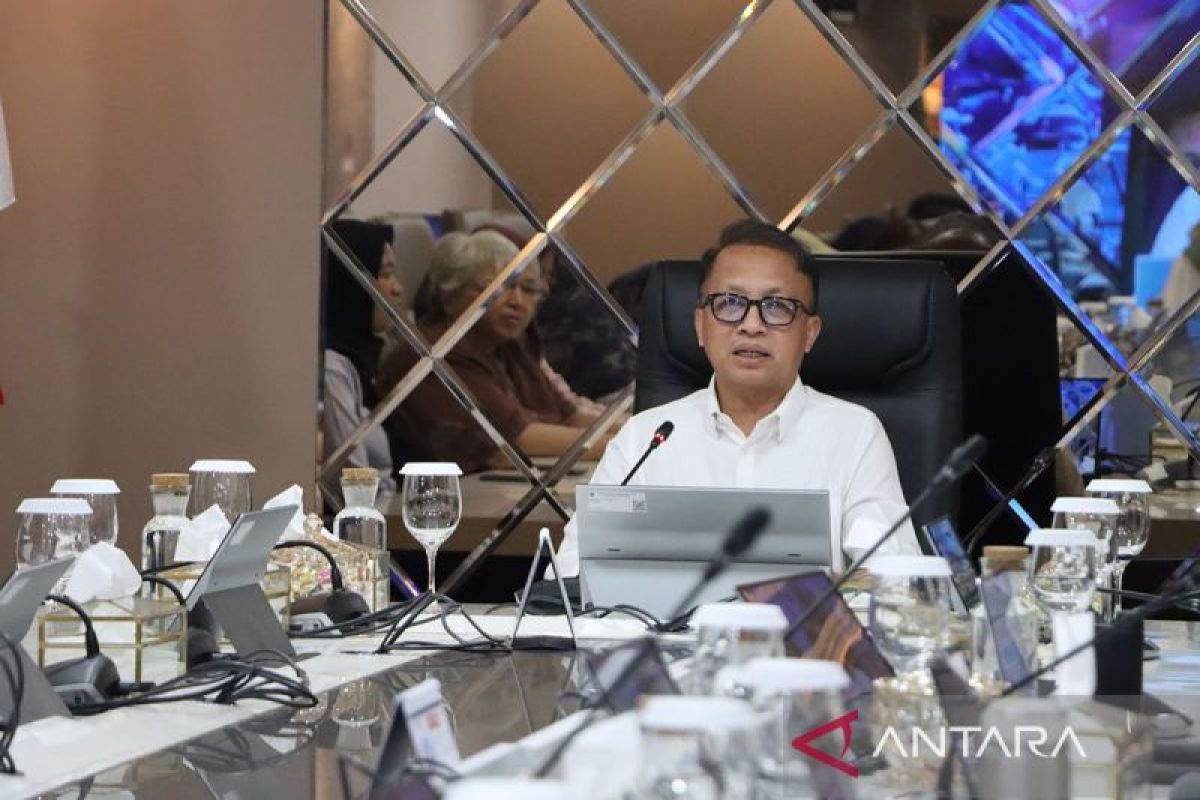
The Head of the Agency for Manpower Planning and Development (Barenbang) at the Ministry of Manpower, Anwar Sanusi, stated in a briefing received in Nagekeo, East Nusa Tenggara, on Wednesday, that the roadmap is aimed at building clearer governance for domestic workers, including in terms of competence and protection within employment relationships.
Anwar noted that the introduction of this regulation serves as a momentum to change the perception of domestic workers. Through a clear legal framework, domestic workers are positioned as employees who possess rights and obligations within an employment relationship, rather than merely being viewed as “servants” or “assistants.”
“We are very grateful that these domestic workers are no longer considered servants or assistants, but as domestic workers. This means, as workers, they are entitled to receive rights just like any other labour force,” said Anwar.
According to him, this status must be accompanied by clarity regarding competence and work governance. This is crucial because domestic workers are part of the care economy that plays a role in supporting household sustainability, while most of their activities have historically taken place in the informal sector.
“Therefore, the Ministry of Manpower sees the need to develop competency standards that align with the characteristics of domestic work in Indonesia,” Anwar said.
One reference that can be utilised is the competency standard used for the placement of Indonesian Migrant Workers in the domestic sector abroad. This reference can subsequently be adjusted to domestic conditions and needs. This step is expected to create measurable competence and serve as a basis for improving the quality of domestic services professionally.
These efforts also need to be aligned with the preparation of implementing regulations for Law Number 2 of 2026.
He added that the government must ensure that the provisions established in the regulation can be implemented through clear protection mechanisms and governance that can be executed on the ground.
“On that basis, the preparation of a roadmap is important to provide clear direction in building domestic worker governance gradually,” said Anwar.
The framework is expected to serve as a reference for the government in developing a system that provides certainty of rights while supporting increased professionalism.
“In the future, we must have a clear roadmap so that these domestic workers truly develop into a recognised profession,” Anwar concluded.