
Ministry of Investment: Sorong SEZ has potential to become a fish processing hub
The Ministry of Investment and Downstreaming believes that the Sorong Special Economic Zone (SEZ) in Southwest Papua has the potential to be developed into a fishery processing industrial hub to increase the added value of regional commodities.
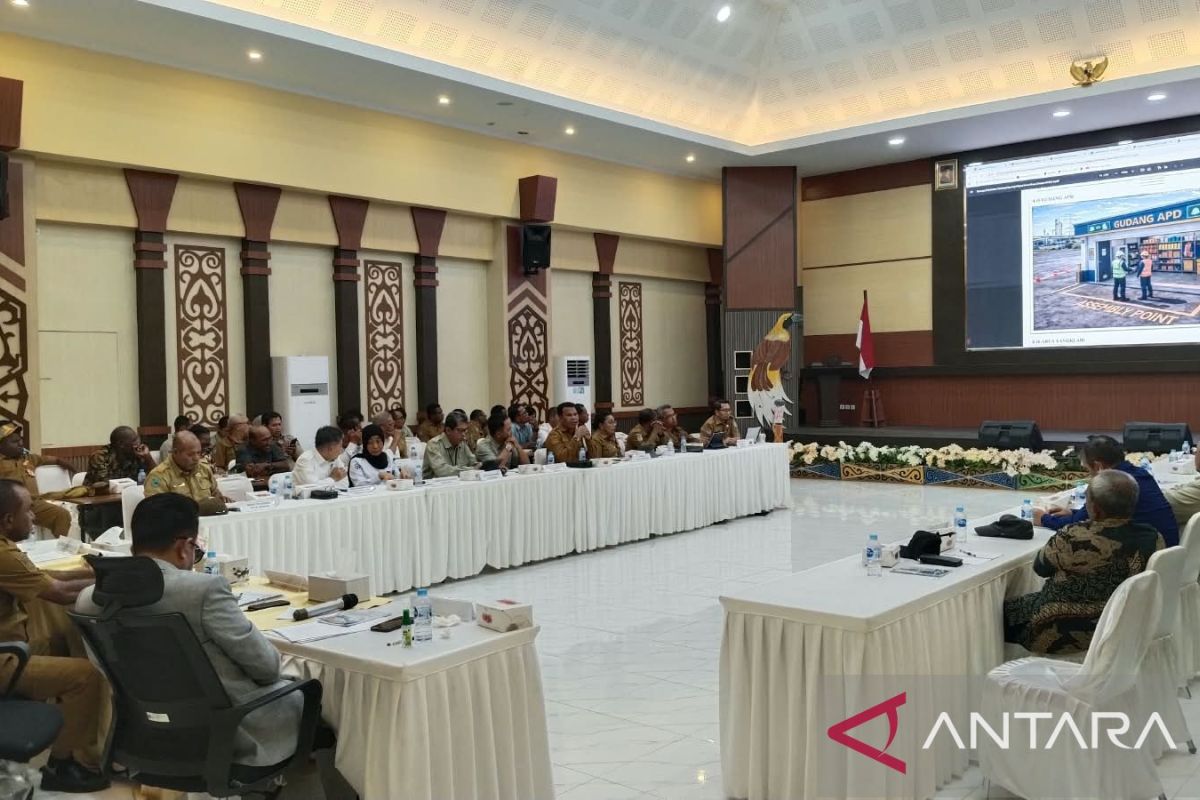
Muhammad Faisal, Director General of Fisheries and Marine Affairs at the Ministry of Investment and Downstreaming, stated in Sorong on Monday that the Sorong SEZ can be utilised as a location for developing the fishery processing industry, given that Southwest Papua possesses vast fish resource potential. “The hope is that with the existence of the SEZ in Sorong, it can serve as a site for the fishery processing industry,” said Faisal during a working visit with the DPD RI Committee II at the Southwest Papua Governor’s Office.
He noted that preliminary studies have been conducted regarding the development of the tuna processing industry within the Sorong SEZ. According to him, the results of the study indicate that several areas still need strengthening, particularly supporting infrastructure and distribution channels. “Indeed, the results of this feasibility study show that what needs to be strengthened is the inadequate supporting infrastructure, as well as the distribution routes,” he remarked.
Faisal stated that developing the fish processing industry is part of a downstreaming strategy to increase the added value of natural resources before they are marketed to other regions or exported. He noted that commodities such as tuna, skipjack, and mackerel can be used not only to produce food products like fish meat but can also be processed into various derivative products such as fish meal, fish oil, gelatin, and collagen.
He assessed that developing a fish oil industry in Southwest Papua also presents opportunities to support the nutritional needs of the community, including as a food supplement for children. “If we imagine having plenty of fish here, and then a fish oil industry is established, it would be very beneficial,” he said.
Faisal explained that the development of downstreaming in the fisheries sector still faces several obstacles, including high investment costs and risks, limited infrastructure, human resource constraints, logistics costs, and the lack of a fully established industrial ecosystem. He mentioned that the fisheries sector is still considered high-risk by the banking sector, meaning that access to financing for business actors requires attention and breakthroughs.
Furthermore, industrial development requires human resources with competencies tailored to the needs of the sector being developed. “If the goal is fisheries, there must be vocational schools in the fisheries field, so that we do not have to draw labour from other provinces,” he added.
He stated that the development of the industrial ecosystem in the Sorong SEZ is expected to not only increase investment but also create jobs and drive economic growth in Southwest Papua. Faisal also noted that investment in Southwest Papua in recent years has remained concentrated in Sorong Regency and Sorong City. Therefore, investment development needs to be expanded to other regencies, including through the fisheries sector. “We need to encourage not just Sorong City and Sorong Regency, but other regencies as well, whether in the mining, plantation, or fisheries sectors,” he concluded.
Source: jawawa.id (https://jawawa.id/newsitem/ministry-of-investment-sorong-sez-has-potential-to-become-a-fish-processing-hub-1790586631)
Originally published by Antara (Indonesian) (https://www.antaranews.com/berita/5761548/kementerian-investasikek-sorong-berpotensi-jadi-pusat-pengolahan-ikan), translated from Indonesian