
Ministry of Industry: Zero Import Duty on LPG to Safeguard Petrochemical Industry Supply
JAKARTA - The Ministry of Industry assesses that the policy of waiving import duties on liquefied petroleum gas (LPG) to zero percent will help maintain the supply of raw materials for the petrochemical industry amid supply chain disruptions due to geopolitical tensions in the Strait of Hormuz.
Spokesperson for the Ministry of Industry, Febri Hendri Antoni Arief, stated that this policy is positive news for the industry, particularly to maintain the balance of the supply chain from the upstream to downstream sectors.
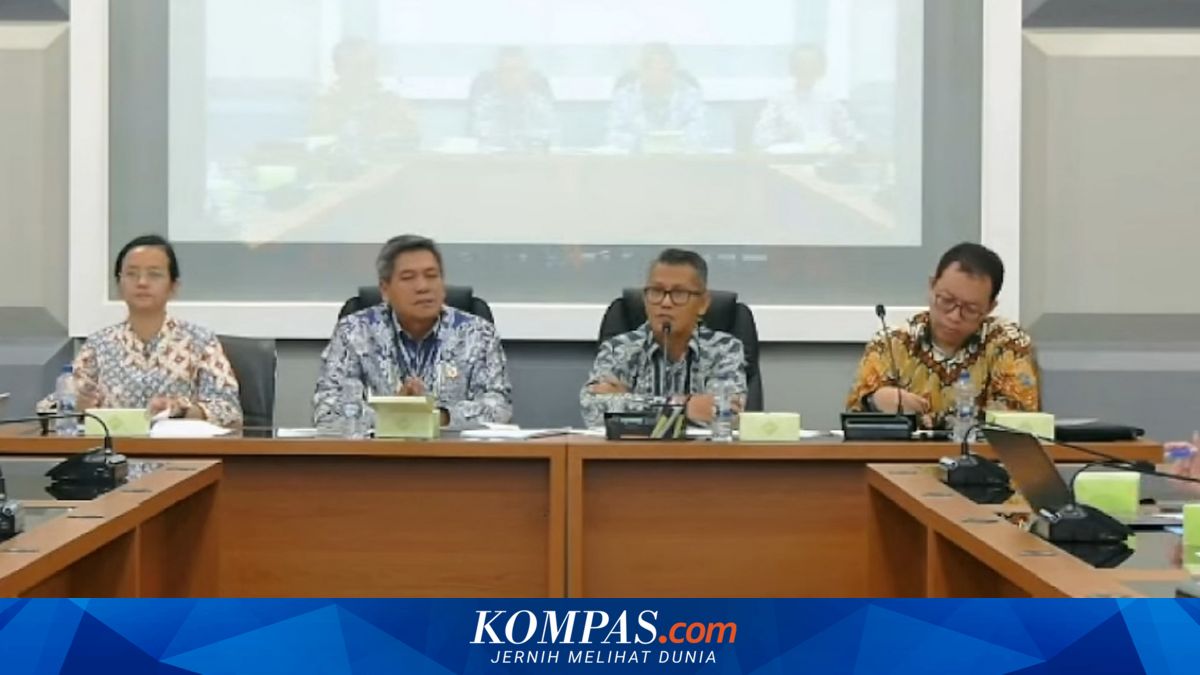
“This is good news for the upstream petrochemical industry, that there is a reduction in LPG import duties,” said Febri in the release of the Industrial Confidence Index (IKI) for April 2026 in Jakarta on Wednesday (29/4/2026).
“We are maintaining the balance of the industry, between upstream industry, intermediate industry, and downstream industry,” he added.
On the same occasion, Director of Upstream Chemical Industry at the Ministry of Industry, Wiwik Pudjiastuti, explained that the exemption of the LPG import tariff from the previous 5 percent to zero percent is specifically aimed at LPG as industrial feedstock, not for general energy use.
The policy, she said, is a government anticipation step because the petrochemical sector is one of the most affected by turmoil in the Middle East region.
In such conditions, the government is encouraging the use of LPG as an alternative feedstock.
She explained that the petrochemical industry basically has three main raw material sources, namely naphtha, LPG, and condensate.
However, LPG cannot fully replace naphtha because it is only used as a mixer with a maximum portion of around 50 percent.
She added that the tariff exemption policy is also intended to align the tariff structure in the petrochemical industry chain.
Previously, downstream petrochemical products had enjoyed zero percent import tariffs, while their raw materials were still subject to 5 percent import duties.
According to the Ministry of Industry, this condition pressured the competitiveness of the domestic industry.
“Hopefully, our industry’s competitiveness will increase,” said Wiwik.
Wiwik also mentioned that the government has received news of a naphtha delivery contract that can help support the industry’s raw material needs in the short term.
With a combination of feedstock diversification and import tariff relaxation, the government hopes that pressures on the petrochemical industry and its derivatives, including plastics, can be alleviated.