
Ministry of Industry Warns Tar and Nicotine Limits Could 'Kill' Indonesia's Kretek Industry
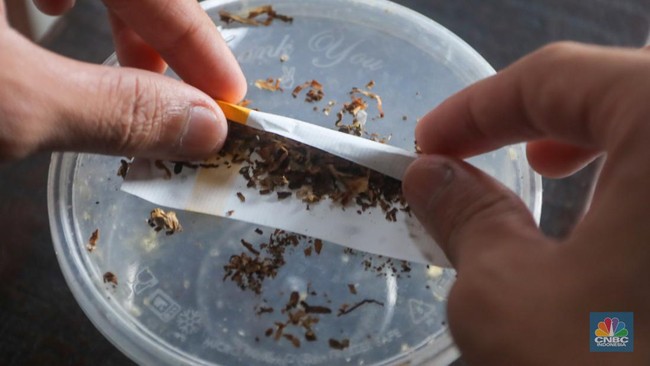
The Ministry of Industry has warned that proposed restrictions on tar and nicotine content in the derivative regulations of Government Regulation No. 28 of 2024 could severely impact tobacco farmers and the national kretek industry. Director of Beverages, Tobacco Products and Refreshing Materials at the Ministry of Industry, Merrijantij Punguan Pintaria, stated that the suggested maximum nicotine limit of 1 milligram is difficult to implement because Indonesian tobacco has much higher nicotine characteristics. “We do not agree with this figure because our farmers produce tobacco with the highest nicotine levels in the world, which can reach 8%. If it is forced to be one, it means the industry must use imported tobacco with nicotine levels of around 1 to 1.5%,” Merri said during an Tobacco Products Industry discussion in Jakarta on Friday. Beyond nicotine, the Ministry of Industry also highlighted the proposed maximum tar limit of 10 milligrams. The current national standard allows up to 55 milligrams, while the average test result for national kretek cigarettes is around 35 milligrams. “If tar is limited to 10, then 97% of kretek cigarettes produced in Indonesia will not be able to operate. Are we ready to lose an economic value that reaches almost Rp 700 trillion?” she questioned. Indonesia is the only country that produces kretek cigarettes, with a domestic market share of approximately 97%. Merri stated that if the government still intends to implement the reduction targets, a transition period is necessary. All stakeholders must sit together to determine realistic implementation stages. “If that is the end goal, let’s agree on the timeline. We need to see how many years are needed to find new tobacco varieties and how long the industry needs for research, so that all parties can adjust without killing the existing ecosystem,” she said.