
Ministry of Industry stresses jewellery sector retains strong market potential
The Ministry of Industry (Kemenperin) has stressed that the national jewellery industry retains strong market potential despite rising precious metal prices driving increased investment in bullion.
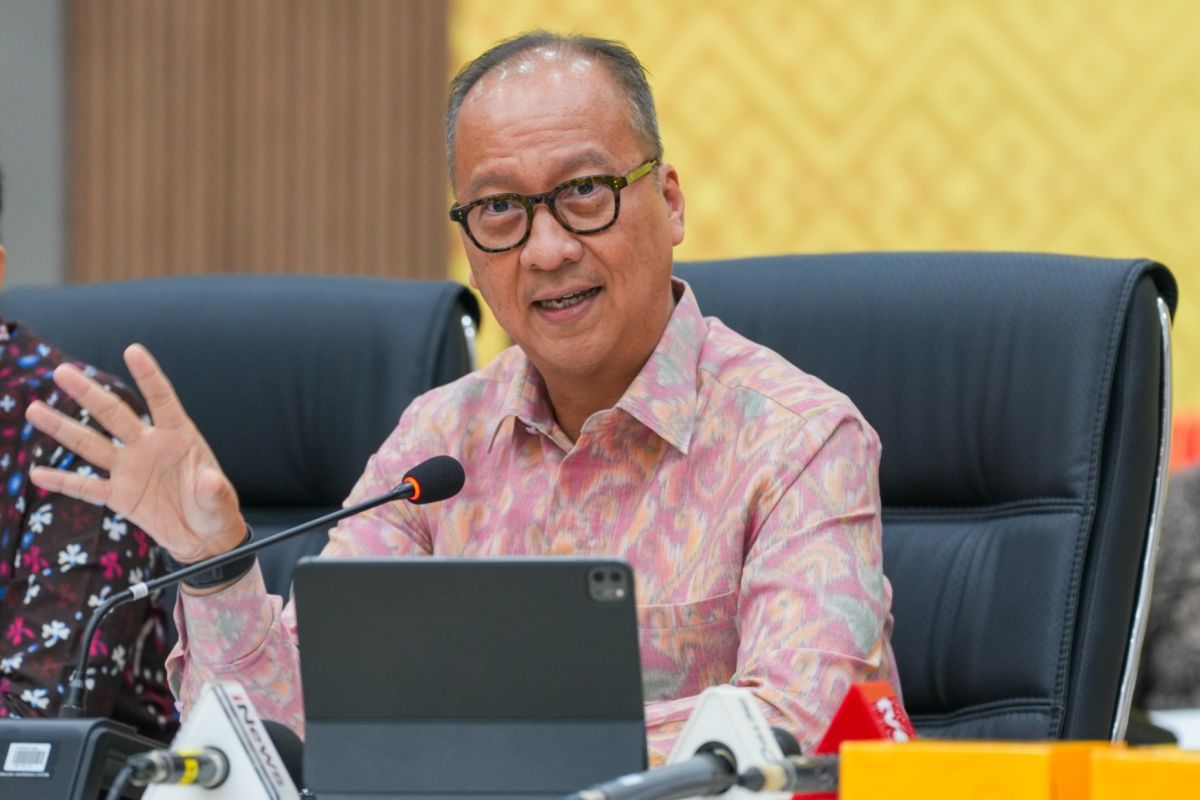
In a statement on Friday in Jakarta, Minister of Industry Agus Gumiwang Kartasasmita noted that the surge in bullion prices has boosted public interest in precious metal investments.
However, jewellery retains added value as both an investment asset and a fashion accessory or collectible.
“The trend of rising precious metal prices is indeed tempting as an investment asset. However, looking broadly, consumers will always buy gold, silver, precious, and gemstone jewellery as it serves dual purposes: investment and wearable or collectible accessories,” said the Minister of Industry.
Agus cited World Gold Council data showing global bullion demand rose to 1,402 tonnes in 2025, a 16% increase from 1,208 tonnes the previous year. Meanwhile, domestic gold jewellery consumption in Indonesia fell 27% from 22.8 tonnes in 2024 to 16.6 tonnes in 2025.
Nevertheless, the Minister stressed that the decline in consumption has not eroded the jewellery industry’s contribution to the national economy. He noted the sector remains a positive contributor to Indonesia’s trade balance.
“The jewellery industry continues to significantly contribute to Indonesia’s trade balance, with cumulative exports of jewellery and precious goods growing 64.72% in 2025, rising from $5.5 billion in 2024 to $9.1 billion,” he said.
Kemenperin’s Director General of Small, Medium, and Diversified Industries (IKMA), Reni Yanita, stated that most small and medium jewellery enterprises (IKMs) remain focused on jewellery production rather than shifting to bullion business. The jewellery industry continues to have strong domestic and export markets.
According to BPS and SIINas data compiled by IKMA’s Diversified Industries Directorate, Indonesia has 539 jewellery businesses, including 49 large, 79 medium, and 411 small enterprises, employing 21,116 workers across regions.
Reni noted Indonesia’s jewellery sector competitiveness stems from creative designs and local cultural identity, which appeal globally. Businesses also demonstrate flexibility in innovating with various materials like gold, silver, and other minerals based on market conditions.
Meanwhile, IKMA’s Diversified Industries Director Reny Meilany said consumers still have diverse investment options through jewellery with varying karat and weight.
“For local consumers, jewellery with lower karat and weight, alongside attractive designs, remains a favoured savings tool and investment form,” she said.
Kemenperin, via IKMA, continues strengthening the national jewellery ecosystem through inter-ministerial coordination, bullion service agencies, financing institutions, and industry associations.
The government actively facilitates promotion, exhibitions, technical guidance, export workshops, and the Domestic Product Utilisation Enhancement (P3DN) programme for jewellery IKMs.
Indonesian Jewellery Entrepreneurs Association (Asosiasi Pengusaha Perhiasan Indonesia) Secretary-General Iskandar Husin noted that bullion investment trends have prompted some large firms to balance their portfolios between fashion jewellery and investment products. However, bullion business requires substantial capital and meticulous risk management.
Meanwhile, PT Untung Bersama Sejahtera (UBS) CEO Eddy Yahya stated not all industry players are ready to enter the bullion business due to the need for strong branding and product security guarantees.
“Businesses cannot expand haphazardly. Raw material prices fluctuate daily, while consumers prefer lighter karat and weight products for efficiency,” he said.
Alvi Lufiani, a lecturer at the Crafts Study Programme of Yogyakarta Institute of Arts’ Faculty of Fine Arts, said shifting consumer trends from gold jewellery to bullion present both challenges and opportunities for the industry.
He noted bullion businesses require significant attention to legal aspects, from authenticity certificates to commodity trading permits.
Additionally, companies need higher liquidity due to high raw material values and fluctuating global prices.
Source: jawawa.id (https://jawawa.id/newsitem/ministry-of-industry-stresses-jewellery-sector-retains-strong-market-potential-1780039016)
Originally published by Antara (Indonesian) (https://www.antaranews.com/berita/5586325/kemenperin-tekankan-industri-perhiasan-tetap-miliki-potensi-pasar-kuat), translated from Indonesian