
Ministry of Industry strengthens integrated vocational curriculum to meet industry human resources needs
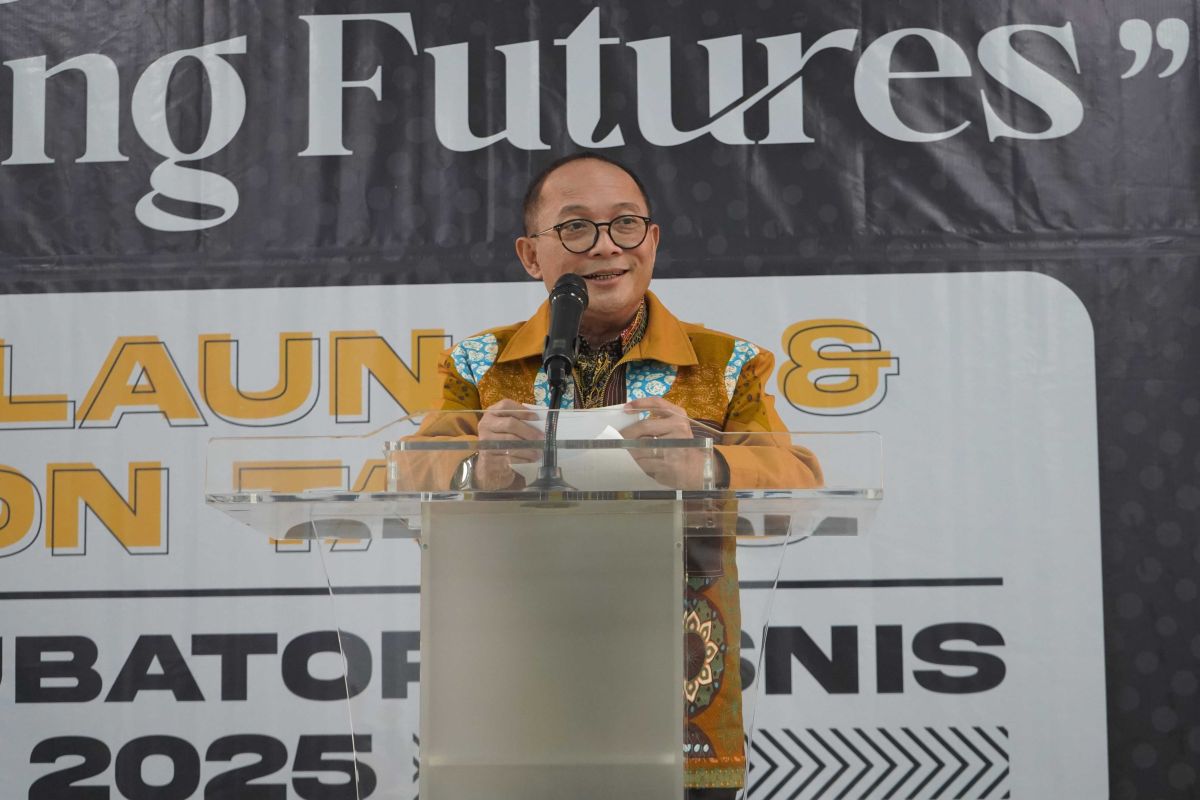
Jakarta — The Ministry of Industry (Kemenperin) is strengthening an integrated, industry-based vocational education curriculum to supply competent, globally competitive human resources for the national manufacturing sector. In Jakarta, on Tuesday, Industry Minister Agus Gumiwang Kartasasmita said the manufacturing sector remains the backbone of the national economy, making the largest contribution to gross domestic product (GDP). In the first quarter of 2026, the processing industry contributed 19.07% of GDP, expanding by 5.04% year on year, and representing the economy’s largest growth driver with a contribution of 1.03 percentage points. ‘The government continues to maintain the momentum of growth in the national manufacturing industry. One of the keys is to prepare industrial HR who are competent, adaptive to technological developments, and able to compete globally,’ the minister said. According to the minister, to win in international markets, production efficiency and mastery of modern technology are required, supported by skilled and competent workers. Therefore, the Ministry continues to strengthen vocational education through educational units under the Agency for the Development of Industrial Human Resources (BPSDMI) spread across Indonesia. As part of this effort, BPSDMI actively collaborates with various stakeholders, both domestic and international, including the Swiss Government, the Ministry of Tourism, and the Ministry of Basic and Secondary Education to strengthen the integrated curriculum. The synergy was embodied through the dissemination of the Industrial-Based Curriculum (IBC) application held on Friday (8 May). The Head of BPSDMI, Doddy Rahadi, said strengthening the synergy between education and industry is a key factor in enhancing national manufacturing competitiveness amid global competition. ‘This IBC application makes it easier for vocational education units to plan and manage activities under the Industrial-Based Curriculum, from data preparation, monitoring of processes, to documentation of the Job Occupational Analysis (JoA) Chart in an integrated manner,’ Doddy said. He added that the application also provides convenience for industry to provide input, validation, and review of JoA in a more flexible and structured way. With a digitised system, industry can contribute sustainably to the development of vocational education curricula. Meanwhile, the Head of the Centre for Development of Industrial Vocational Education (PPPVI), Wulan Aprilianti, emphasised that the IBC application provides a platform for collaboration that strengthens the links between education and industry on a sustainable basis. ‘Through this dissemination, we hope all participants can understand and use the IBC application optimally, so that the process of developing industry-based curricula can run more effectively, efficiently, and with real impact,’ said Wulan. Swisscontact Programme Manager Daniel Weibel said one of the main challenges currently is the gap between education and labour market needs. ‘IBC directly addresses this challenge by aligning the curriculum with actual industry needs. The curriculum ensures graduates not only have knowledge but are truly ready for work,’ Weibel noted. Since 2018, the Swiss Government and the Indonesian Government, through the Swiss Skills for Competitiveness (SS4C) project, have implemented the Developing a Curriculum (DACUM) method, which later evolved into the Industrial-Based Curriculum (IBC). To date, 79 JoA charts have been produced across sectors and ministries, and the number continues to grow.
Source: jawawa.id (https://jawawa.id/newsitem/ministry-of-industry-strengthens-integrated-vocational-curriculum-to-meet-industry-human-resources-needs-1779546325)
Originally published by Antara (Indonesian) (https://www.antaranews.com/berita/5572677/kemenperin-perkuat-kurikulum-vokasi-terintegrasi-penuhi-sdm-industri), translated from Indonesian