
Ministry of Industry strengthens electric vehicle supply chain through SME involvement
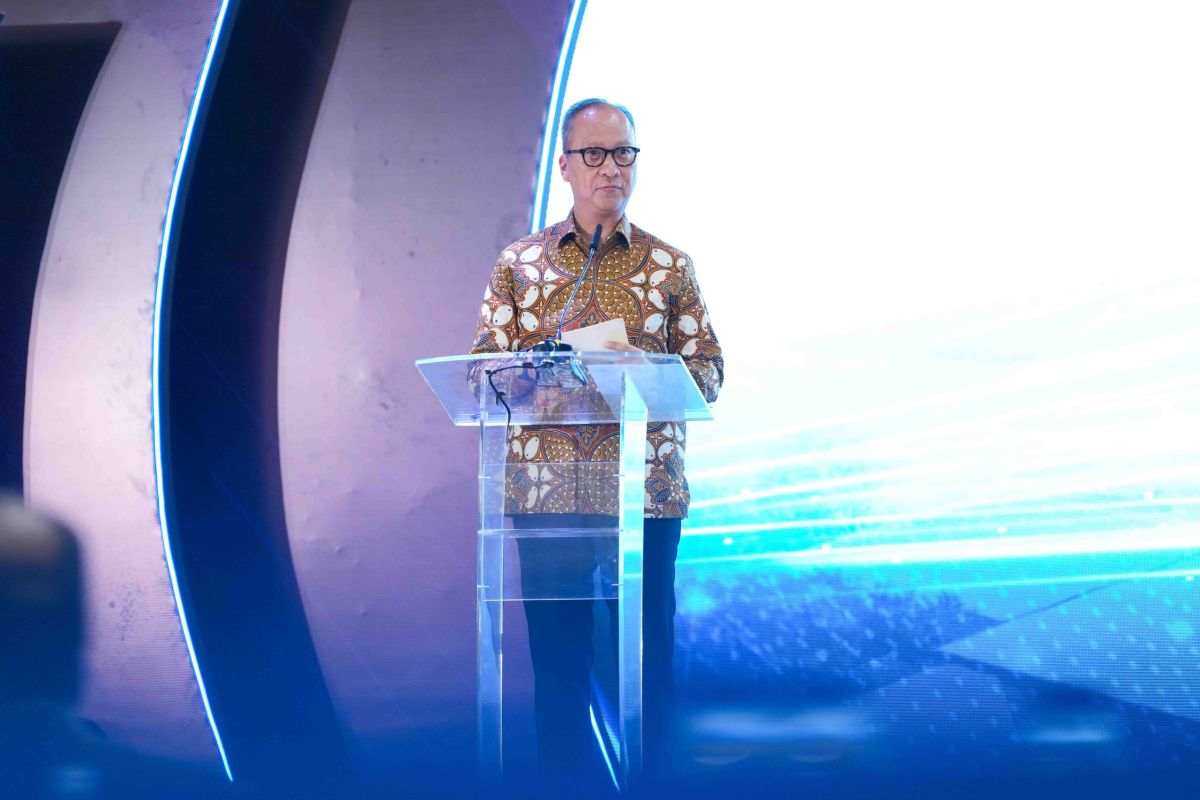
The Ministry of Industry (Kemenperin) is strengthening the national electric vehicle supply chain, including by involving automotive component small and medium enterprises (SMEs) in developing the Battery Electric Vehicle (BEV) ecosystem.
In a statement confirmed in Jakarta on Thursday, Minister of Industry Agus Gumiwang Kartasasmita said Indonesia has significant potential to become a major player in the global electric vehicle industry.
This potential is supported by abundant natural resources, a large domestic market, and the government’s commitment to developing the EV ecosystem from upstream to downstream.
“The government, through Presidential Regulation No. 55 of 2019, has affirmed its commitment to developing electric vehicles as part of the energy transition, green economy, and national industrialisation agenda,” said the minister.
According to the minister, the government is accelerating the strengthening of the BEV industry structure to enhance global competitiveness while maximising value addition to the national economy. Therefore, EV ecosystem development involves not only large industries but also actively encouraging participation from domestic SMEs.
“The government aims for the BEV industry ecosystem to be populated not only by large enterprises but also by small and medium industries, enabling the transfer of insights, knowledge, and technology for future domestic industry development,” he stressed.
As a concrete step, Kemenperin, through the Directorate General of Small, Medium, and Diverse Industries (IKMA), collaborated with the Directorate General of Automotive Industry (ILMATE), Ministry of Investment/BKPM, PT SGMW Motor Indonesia, and PT VKTR Mobility Technology to hold a Business Opportunity Exploration event for SMEs in the BEV supply chain in Cikarang, West Java, on 22 May 2026.
The event brought together automotive component SMEs, local governments overseeing SMEs, associations, and national automotive component industries. The agenda aims to open opportunities for collaboration and strategic partnerships between SMEs and large electric vehicle manufacturers.
Director General of IKMA Kemenperin Reni Yanita said the event serves as a platform to identify business opportunities and understand the needs of the electric vehicle industry, including aspects of domestic component level (TKDN) compliance.
“We hope this event will unlock strategic partnerships between transport equipment SMEs and large industries, while providing information on electric vehicle component requirements for TKDN compliance,” said Reni.
Reni explained that the national electric vehicle industry is showing very positive trends. According to Gaikindo data, battery electric vehicle (BEV) sales in the first quarter of 2026 reached 33,150 units, a 95.9% increase compared to the same period last year.
Additionally, the national electric bus population as of April 2026 stood at 798 units, while two-wheeled electric vehicles reached 236,451 units in February 2026, accounting for around 65% of Indonesia’s total electric vehicle population.
“This potential must be maximised by automotive component SMEs to benefit and capitalise on future business opportunities,” she added.
The growth of the electric vehicle market is also supported by expanding public charging infrastructure. According to PLN data, as of April 2026, there were 4,769 charging stations across 3,097 locations in Indonesia.
This number is targeted to rise to 62,918 units by 2030 to support the projection of 943,764 BEVs under the Ministry of Energy and Mineral Resources (ESDM) roadmap.
“This indicates a shift in consumer preference towards more energy-efficient and environmentally friendly vehicles, while opening significant opportunities for automotive component SMEs to enter the expanding electric vehicle supply chain,” Reni explained.