
Ministry of Industry Pushes Food and Beverage Sector to Accelerate Sustainable Packaging Innovation
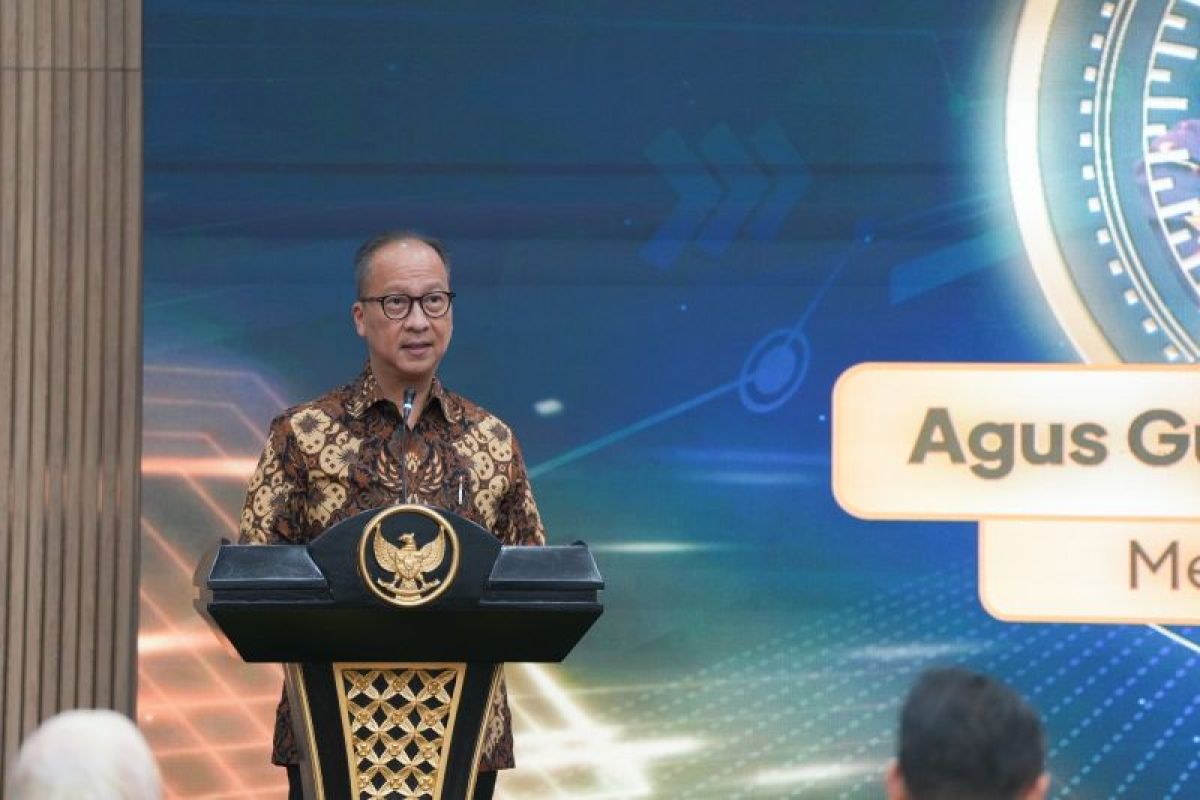
The current geopolitical situation in the Middle East presents an opportunity to boost efficiency improvements while accelerating innovation in more sustainable alternative packaging. Jakarta (ANTARA) - The Ministry of Industry (Kemenperin) is striving to accelerate innovation in efficient and sustainable packaging within the food and beverage (mamin) industry, as a mitigation step against potential disruptions in plastic raw material supplies due to global dynamics. Kemenperin emphasises that the national agro industry, particularly the food and beverage sector, remains capable of maintaining production sustainability amid global dynamics affecting plastic raw material prices. Minister of Industry (Menperin) Agus Gumiwang Kartasasmita, in a statement in Jakarta on Thursday, conveyed that global geopolitical dynamics, including tensions in the Middle East region, have the potential to impact the supply chain of packaging raw materials. According to him, this situation serves as a momentum to drive the domestic packaging industry towards being environmentally friendly, competitive, and capable. “The food and beverage industry is one of the sectors that heavily utilises plastic products for various packaging needs. The current geopolitical situation in the Middle East presents an opportunity to boost efficiency improvements while accelerating innovation in more sustainable alternative packaging,” stated the Menperin. Acting Director General of Agro Industry at Kemenperin, Putu Juli Ardika, added that industry players have begun diversifying packaging materials by utilising paper, glass, metal, and recycled plastic materials such as recycled PET (rPET). Specifically for paper-based packaging, Kemenperin assesses that the national pulp and paper industry has a strong foundation to support packaging transformation. In 2025, this industry is supported by 113 companies with pulp production capacity reaching 14.48 million tonnes per year and paper at 25.37 million tonnes per year. Its export value reaches US$8.2 billion, while absorbing around 1.48 million workers. “The potential for developing paper-based packaging is very large, especially for retail needs, the mamin industry, e-commerce, and logistics. Currently, we are also focusing on developing aseptic packaging, which is widely used by the food and beverage industry to reduce dependence on the cold chain. In the future, innovations such as barrier paper, paper bottles, nano-cellulose coatings, and active paper packaging need to be continuously strengthened through research and investment,” said Putu. In addition to paper-based packaging, Kemenperin is also accelerating the development of bioplastics based on biological materials such as cassava and seaweed. Several domestic industry players, he said, have begun producing environmentally friendly packaging based on cassava starch or seaweed-based packaging. Indonesia is assessed to have great opportunities to develop this industry because it is one of the world’s major producers of cassava and seaweed. “Currently, there are already several bioplastic businesses using cassava and seaweed as raw materials. Based on SIINas data, the total capacity of the cassava-based bioplastic industry is 8,000 tonnes per year, while the total capacity of the seaweed-based bioplastic industry is 28 tonnes per year,” revealed Putu.
Source: jawawa.id (https://jawawa.id/newsitem/ministry-of-industry-pushes-food-and-beverage-sector-to-accelerate-sustainable-packaging-innovation-1777009965)
Originally published by Antara (Indonesian) (https://www.antaranews.com/berita/5539687/kemenperin-upayakan-industri-mamin-pacu-inovasi-kemasan-berkelanjutan), translated from Indonesian