
Ministry of Industry Explains Closure of Krakatau Osaka Steel
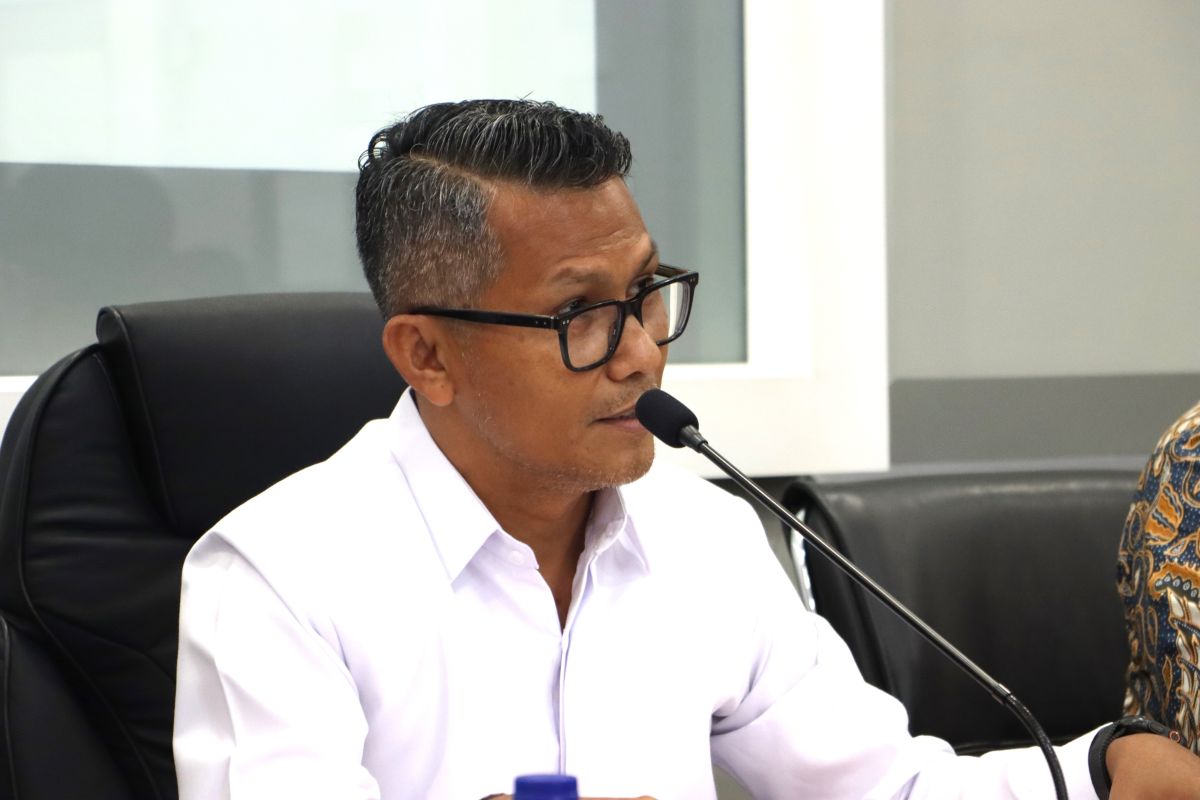
Jakarta (ANTARA) - The Ministry of Industry (Kemenperin) has provided an explanation regarding the closure of PT Krakatau Osaka Steel (KOS), which is caused by the impact of a combination of various factors. In a statement confirmed in Jakarta on Tuesday, Kemenperin Spokesperson Febri Hendri Antoni Arif stated that his side conveyed condolences over the condition faced by PT KOS. One of the state-owned companies directly affected by increasingly complex pressures, thus having to stop production activities at the end of April 2026 and will close all business activities in June 2026. “We share the concern over the condition faced by the workers of PT Krakatau Osaka Steel. The government understands that this decision has significant social and economic impacts. Therefore, we urge the company to fulfil the rights of the affected workers in accordance with applicable laws and regulations,” he said. Based on information provided by the company, the decision to stop production was determined through a Board of Directors meeting on 23 January 2026. PT Krakatau Osaka Steel also revealed that the company has been experiencing losses since 2022, along with a continuous decline in business performance. Furthermore, the decline in demand for construction steel in the domestic market and increasing competition with cheaper imported steel products are the main factors affecting the situation. Global steel producers, particularly from China, have advantages in terms of production scale and cost efficiency, enabling them to offer more competitive prices in the international market, including Indonesia. “This condition places the national steel industry in a difficult position. On one hand, domestic producers are committed to maintaining product quality, but on the other hand, they must face price pressures from lower-priced imports. This situation is further exacerbated by weakening domestic demand, especially from the construction sector,” he explained. According to Febri, the difficulties faced by PT Krakatau Osaka Steel are the result of a combination of various factors, not solely due to internal company factors. “In addition to limited product diversification, declining demand and pressure from cheap steel imports, global oversupply conditions also affect the company’s competitiveness,” he revealed. Nevertheless, reflecting on the condition experienced by PT Krakatau Osaka Steel, Kemenperin assesses that strengthening policies for the protection and development of the national steel industry is still needed. “We will conduct a comprehensive study to formulate more effective strategies in maintaining the sustainability of the domestic steel industry,” emphasised the Kemenperin Spokesperson. Globally, the steel industry currently faces challenges in the form of oversupply and low-price trading practices. He said that various countries have responded to this condition with industrial protection policies, such as the imposition of import tariffs and trade remedy instruments. Meanwhile, several countries are also promoting industrial reforms through increased efficiency, production capacity, and technological innovation. Kemenperin, he said, will continue to strengthen the competitiveness of the national steel industry through enhanced implementation of import control policies, expansion of mandatory SNI application, and increased use of domestic products. He hopes that these efforts can maintain industry stability while increasing national manufacturing self-reliance. “The success of strengthening the national steel industry requires support from all stakeholders, both from the government, industry players, and society. In addition, global geopolitical dynamics, production cost structures, and domestic demand levels will also greatly influence the effectiveness of the policies implemented,” he concluded.