
Ministry of Industry emphasises strong potential for sports equipment industry
The national sports equipment industry is currently spread across various regions in Indonesia and is supported by Small and Medium Industry (IKM) centres, which serve as vital components of the industrial supply chain. The Ministry of Industry (Kemenperin) has emphasised that the national sports equipment industry possesses strong potential to continue developing and become a key sector for industrial advancement.
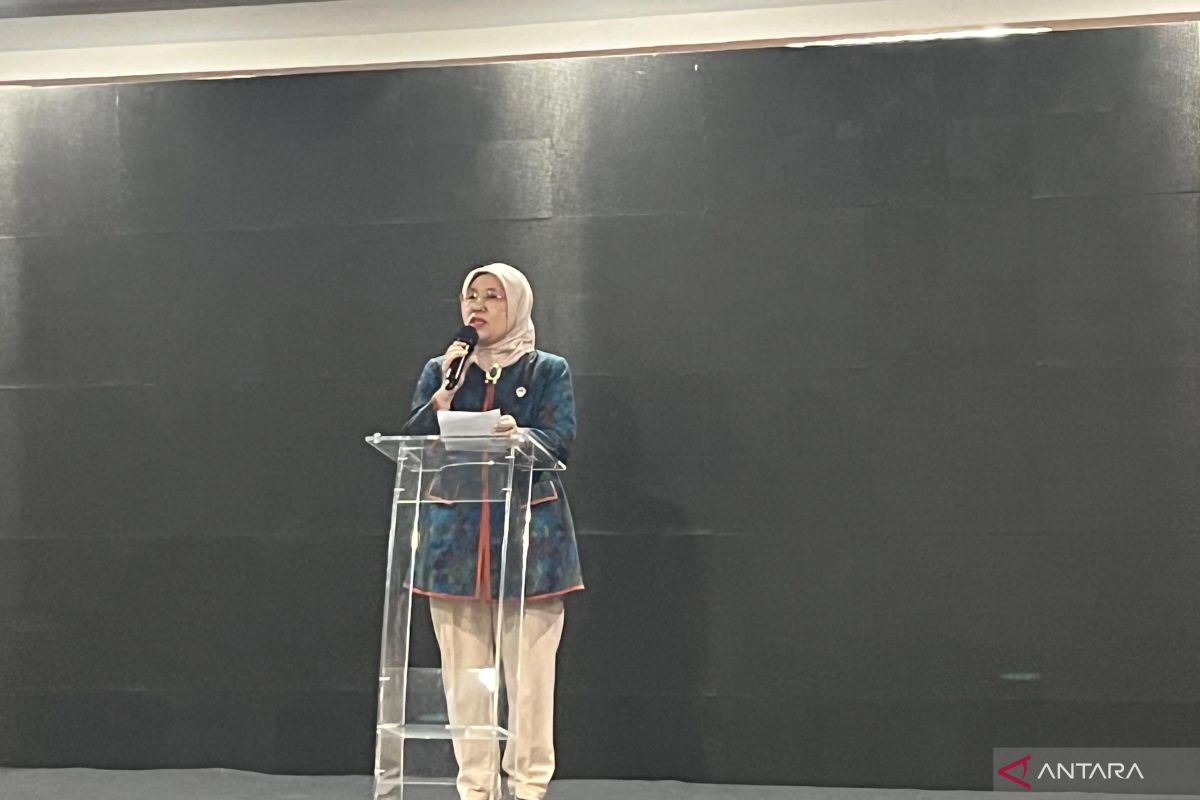
Speaking at the Business Matching Indonesia Sport and Active Wear/ISAW Ecosystem in Jakarta on Wednesday, the Director General of Small, Medium, and Miscellaneous Industry (IKMA) at Kemenperin, Reni Yanita, stated that this potential is supported by increasing export performance, the ability to penetrate international markets, contributions to labour absorption, and support for regional economies. “The profile of the national sports equipment industry also shows significant potential for further development. The industry is currently distributed across various regions in Indonesia and is supported by IKM centres that are essential parts of the industrial supply chain,” she said.
Reni revealed that over the last five years, the national sports equipment industry has shown positive development with an improving export balance. In 2025, for instance, the export value of the sports equipment industry increased by 11.3 per cent compared to the previous year. Indonesian-made sports products have successfully entered various international markets, with primary export destinations including the United States, Japan, South Korea, the Netherlands, and the United Kingdom.
“These achievements demonstrate that the national sports industry has great opportunities to continue growing and developing if supported through improved product quality, innovation, and sustainable expansion of market access,” she added. Furthermore, Reni assessed that strengthening the competitiveness of the supporting sports ecosystem must be pursued through increasing business capacity, improving product quality, and expanding market access. These steps are considered vital so that industry players can compete while becoming part of both national and global industrial and retail supply chains.
As part of these efforts, Kemenperin organised the Business Matching ISAW Ecosystem: B2B Market Activation, which brought together sports industry players with buyers, the retail sector, industry players, and other potential business partners. “Through this business matching activity, we hope to build closer partnerships between our fostered industries and buyers, the retail sector, industry players, and other potential strategic business partners. This activity is also expected to serve as a means for the supporting industries of the sports ecosystem to understand market needs,” she said.
Reni explained that the activity is also part of strengthening the national sports industry ecosystem, which has been continuously promoted through the ISAW programme. This programme was held in 2023 and 2024 as a platform for promotion, collaboration, and business networking for national sports industry players. She noted that during ISAW 2024, offline transactions from 35 exhibitors reached over Rp832 million, an increase from Rp265 million in ISAW 2023. Meanwhile, sales of sports products through partnerships with marketplaces involving 150 businesses recorded transactions of over Rp500 million with total sales of 3,529 products, up from Rp398 million in 2023. The Ministry reaffirmed its commitment to supporting the development of the sports apparel and footwear IKM, as well as the sports equipment industry, through various coaching programmes, capacity building, promotional facilitation, and market access expansion.