
Ministry of Industry boosts labour-intensive industry productivity through KIPK
The Ministry of Industry (Kemenperin) continues to strive for increased productivity and competitiveness within labour-intensive industries through the Labour-Intensive Industry Credit (KIPK) programme. This scheme is designed as a strategic financing mechanism to support the revitalisation of machinery and production equipment.
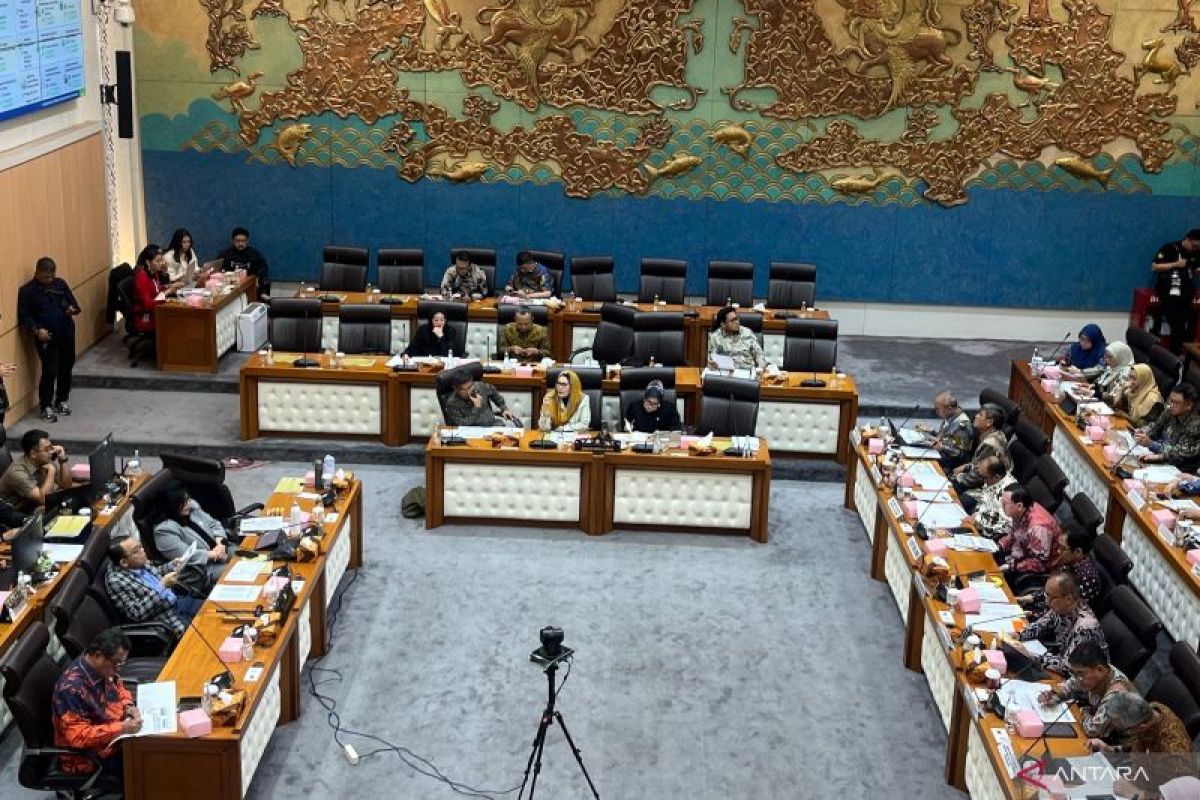
During a meeting with Commission VII of the House of Representatives (DPR RI) in Jakarta on Monday, the Minister of Industry, Agus Gumiwang Kartasasmita, stated that the KIPK programme serves as an instrument to strengthen the performance of labour-intensive industries, which contribute significantly to national employment absorption.
“The Labour-Intensive Industry Credit or KIPK is designed as a strategic financing scheme to support the need for machinery revitalisation and to increase productivity across six labour-intensive industrial sectors: food and beverage, textiles, apparel, furniture, footwear, and toys,” he said.
Agus explained that the KIPK is currently distributed through 13 banking partners with a total financing ceiling of Rp549 billion. However, as of May 2024, the realised utilisation remains relatively low.
“The KIPK programme is distributed through 13 banking partners with a total financing ceiling of Rp549 billion. As of May 2024, the realised ceiling has reached Rp91 billion, which is still very low at 16.72 per cent, involving 26 debtors out of a total target of 293 debtors,” he noted.
He further mentioned that the use of KIPK is currently concentrated on the island of Java, particularly in West Java, Central Java, the Special Region of Yogyakarta, and East Java.
In terms of beneficiary sectors, the food and beverage industry is the largest user of the KIP_K facility, accounting for 55 per cent. This is followed by the furniture industry at 20 per cent, and the leather, leather goods, and footwear industry at 15 per cent.
Minister Agus assessed that there remains significant room to increase the programme’s utilisation, necessitating collaboration between various parties, including legislators, to expand access to financing for labour-intensive industry players.