
Ministry of Industry boosts industrial vocational training quality through Master Trainer program
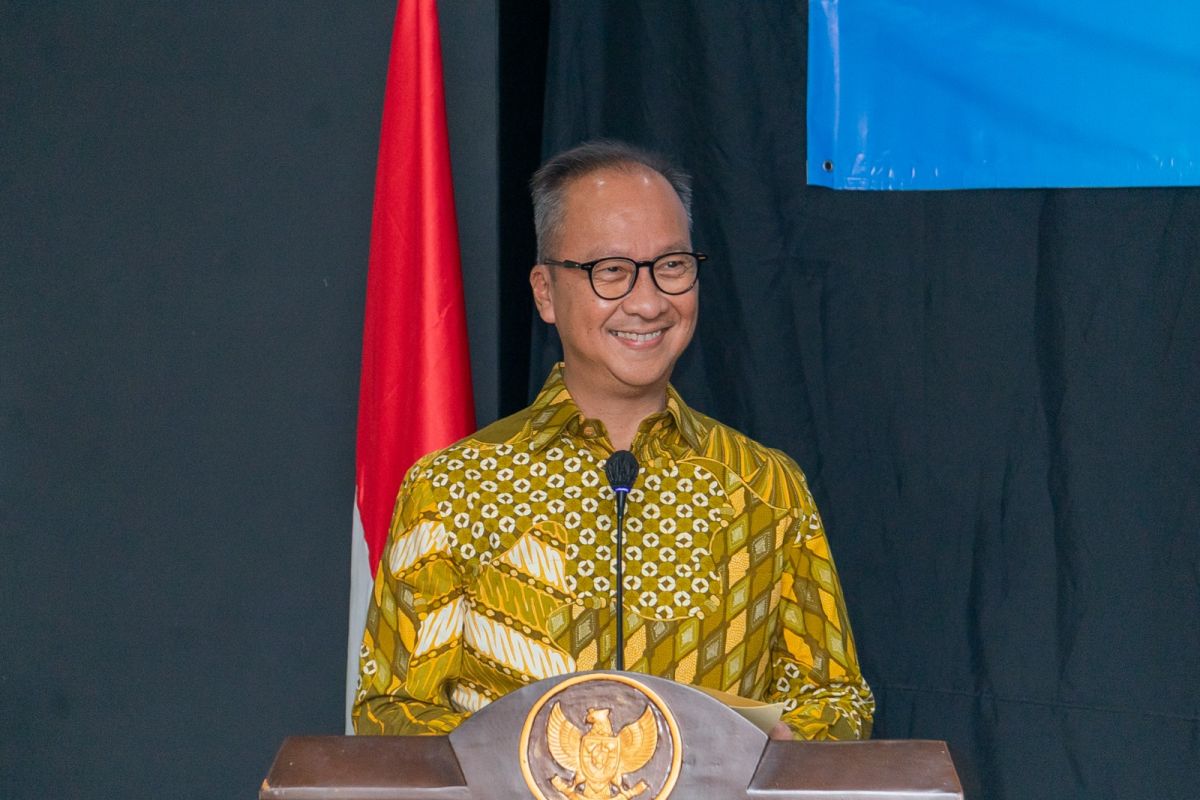
The Ministry of Industry (Kemenperin) is strengthening the quality of industrial vocational education and training through the Master Trainer program to create competent human resources capable of supporting national industrialisation and meeting business needs.
Minister of Industry Agus Gumiwang Kartasasmita stated that the manufacturing sector remains the backbone of the national economy, both in terms of contribution to gross domestic product (GDP) and employment. Therefore, strengthening industry-focused human resources is a government priority.
‘Successful vocational education must be based on real production needs through the link and match principle. Kemenperin is committed to building a strong dual-system vocational education ecosystem with global standards,’ the minister said.
Manufacturing sector employment reached 20.26 million in August 2025, and processing industries were the largest contributor to economic growth in early 2026. ‘These achievements provide a strong foundation for Kemenperin to expand link and match programmes between vocational education and global labour market needs,’ he added.
To strengthen education-industry collaboration, Kemenperin’s Human Resource Development Agency (BPSDMI) is partnering with Swisscontact under the Swiss Skills for Competitiveness (SS4C) project. A key component is the Master Trainer/In-Company Trainer (ICT) training held in Jakarta from 18-25 May 2026.
BPSDMI Chief Doddy Rahadi said the Swiss collaboration is crucial for accelerating knowledge transfer, industrial work culture, and innovation to enhance national competitiveness. ‘ICT activities play a vital role in transferring competencies, guiding industry-based learning processes, and ensuring standards are practically applied in workplaces,’ he said.
The eight-day training focuses on strengthening ICT ecosystems for structured internships in Banten, developing Master ICT networks in Sumatra, and boosting technical capacity of service providers in East Java and Central Java. Since its inception in 2019, Kemenperin and Switzerland have trained 1,310 ICTs and 139 Master ICTs, demonstrating their commitment to building a robust and sustainable industrial human resource ecosystem.
Head of the Industrial Vocational Education Development Centre (PPPVI) at BPSDMI Kemenperin, Wulan Aprilianti Permatasari, emphasised that improving the quality and quantity of ICTs is essential for implementing industry-based vocational education.