
Ministry of Industry Boosts Bamboo Industry Ecosystem through Community Academy
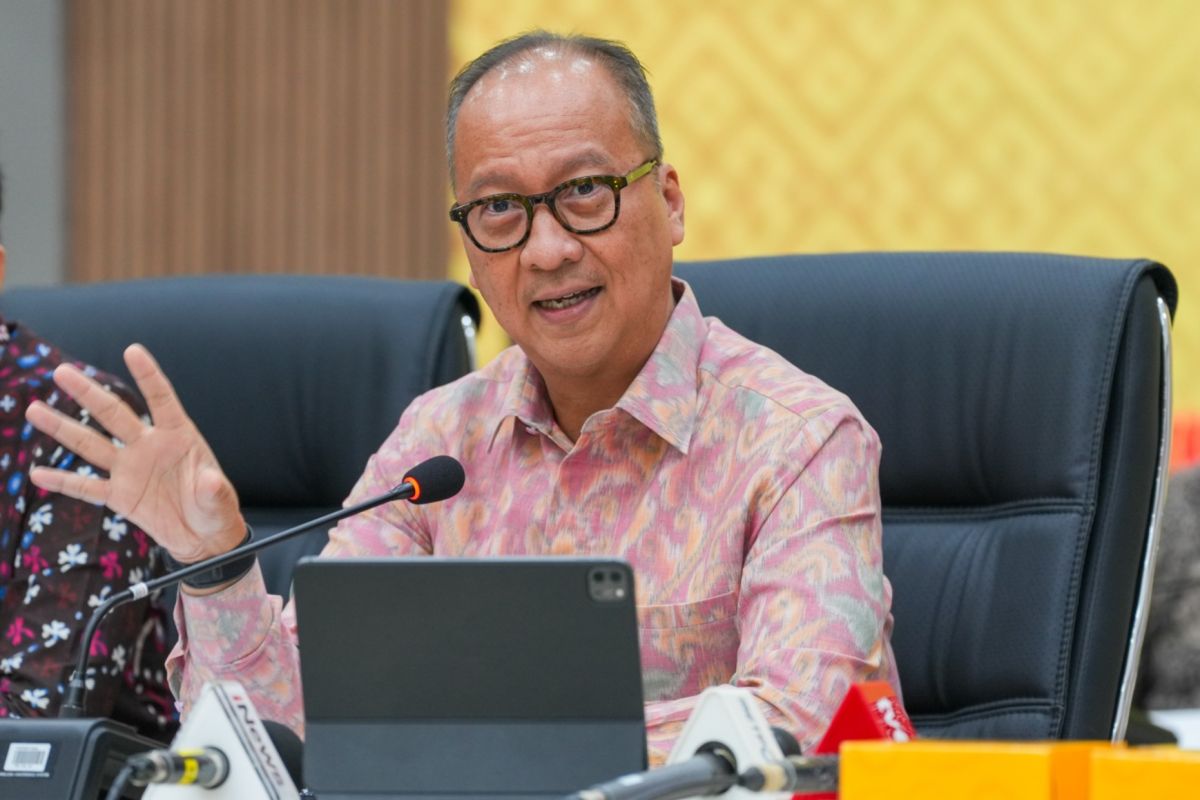
The development of the bamboo industry aligns with green industry policies, as bamboo is a sustainable material with significant prospects. Jakarta (ANTARA) - The Ministry of Industry (Kemenperin) is striving to strengthen human resources (HR) and the national bamboo industry ecosystem through the Bamboo Community Academy (AKB) programme developed by the Directorate General of Agro Industry. In a statement in Jakarta on Saturday, Minister of Industry (Menperin) Agus Gumiwang Kartasasmita stated that bamboo is one of the renewable natural resource-based commodities with great potential to be developed into high value-added and environmentally friendly products. “The development of the bamboo industry aligns with the direction of green industry policies because bamboo is a sustainable material with great prospects for the construction, furniture, handicraft, and various other innovative product industries,” said the Minister. The AKB programme focuses on strengthening the bamboo industry through the preparation of quality ready-to-use raw materials. In its implementation, participants are equipped with technical skills related to planting, preservation, and processing of bamboo to support downstream sector needs. Through this programme, according to him, there will be an increase in the quality of national bamboo products to have stronger competitiveness in both domestic and international markets. Furthermore, Acting Director General of Agro Industry at the Ministry of Industry Putu Juli Ardika explained that the implementation of AKB was initiated in Bali in 2025 and successfully produced 25 Bamboo Masters through a training of trainers (ToT) approach. “The Bamboo Community Academy programme is designed to build an excellent HR community capable of driving the development of the bamboo industry in the regions. The focus of its development is to form material centres/bamboo logistics centres providing ready-to-use raw materials,” said Putu. Based on evaluation and monitoring results, the implementation of AKB in the 2026 Fiscal Year will focus on improving the quality and volume of raw materials, post-harvest techniques, and treatment or preservation to support downstream industry needs, with a training composition of 30 percent theory and 70 percent field practice. He stated that programme participants are prioritised from bamboo raw material suppliers who have the potential to become trainers in their respective regions. In addition to being implemented in Bali, the AKB Programme is also planned to be expanded to the Special Region of Yogyakarta. In developing this community, the Ministry of Industry is also seeking to involve the private sector through Corporate Social Responsibility (CSR) schemes. One of the efforts being explored is cooperation with PT KT&G for the construction of supporting facilities for AKB in the form of training dormitories and bamboo preservation facilities. Furthermore, he mentioned that Bangli Regency, Bali, has been identified as one of the potential areas in developing the bamboo ecosystem because it is supported by land availability, bamboo logistics facilities, and processing machines that are already available. His side, he said, has coordinated regarding readiness for developing the bamboo ecosystem and CSR support plans during the working visit conducted. Putu emphasised that strengthening the national bamboo industry requires collaboration from all stakeholders to grow sustainably and provide economic impacts for the community. “We hope the national bamboo industry can develop into one of the leading sectors based on renewable natural resources that can create added value, open job opportunities, and increase national industry competitiveness,” he concluded.