
Ministry of Human Rights includes state apology in roadmap for severe human rights violation victims
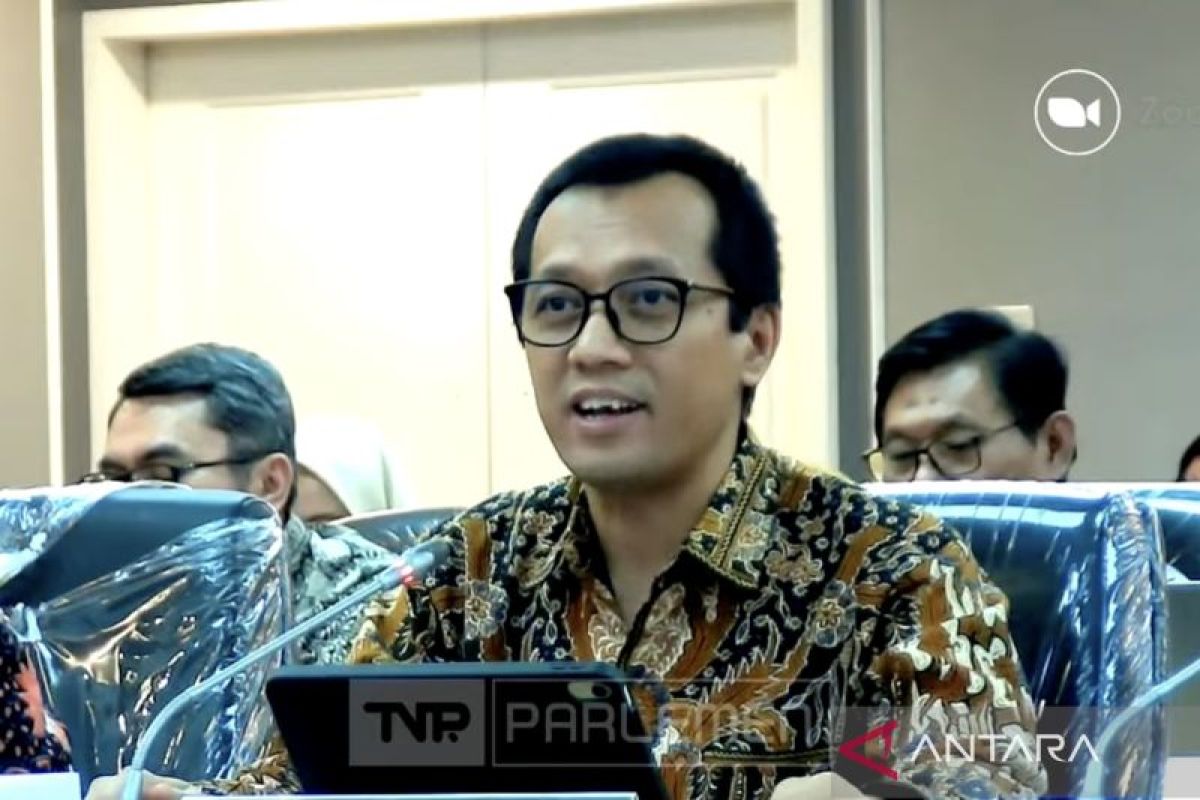
Jakarta (ANTARA) - The Ministry of Human Rights (Kemenham) has included the importance of the state issuing an apology in the roadmap for rehabilitating victims of past severe human rights violations that is currently being prepared.
Director General of Human Rights Services and Compliance at Kemenham, Munafrizal Manan, stated this during a hearing held by the DPR RI’s Commission XIII at the parliamentary complex in Senayan, Jakarta, on Thursday.
“In this roadmap, one of the aspects emphasised is the important role of the state in rehabilitating the victims as part of resolving severe human rights violations. This includes a point in the roadmap about the importance of the state issuing an apology,” he said.
According to Munafrizal, the matter of the apology is based on the experiences of other countries in efforts to rehabilitate victims of severe human rights violations.
“This can serve as a form of psychological rehabilitation for the victims and their families through the official apology from the state,” he explained.
In addition, Kemenham is also proposing a special budget for victim rehabilitation within the roadmap. This is similar to the Trust Fund for Victims implemented by the International Criminal Court in The Hague, Netherlands.
“So that the rehabilitation for victims has clarity in terms of budget. We hope that what we propose as an effort to provide rehabilitation for victims in this roadmap can be realised in the future,” he said.
On Thursday, Commission XIII of the DPR RI held a hearing with various partners to discuss rehabilitation for witnesses and victims of past severe human rights violations.
The meeting was attended by representatives from the Coordinating Ministry for Law, Human Rights, Immigration, and Corrections, the Ministry of Human Rights, the Ministry of Health, the National Human Rights Commission, the Witness and Victim Protection Agency, and BPJS Health.
Deputy Chairman of Commission XIII of the DPR RI, Andreas Hugo Pareira, stated that the meeting holds important and strategic significance.
“Namely, discussing the resolution of compensation and rehabilitation for witnesses and victims of past severe human rights violations, including social guarantees and various other forms of compensation,” he said.
According to Andreas, through social guarantees, it is hoped that the victims can regain access to health services, economic support, and a more decent and beneficial life.
In addition, Commission XIII of the DPR RI views social guarantees as playing an important role in reducing the vulnerability experienced by victims so far, while also preventing deepening inequalities.
Andreas emphasised that policies on social guarantees and compensation for witnesses and victims of past severe human rights violations will strengthen public trust that the state is truly present in providing protection and justice.