
Ministry of Housing and Settlement names Yogyakarta as site for vertical housing development
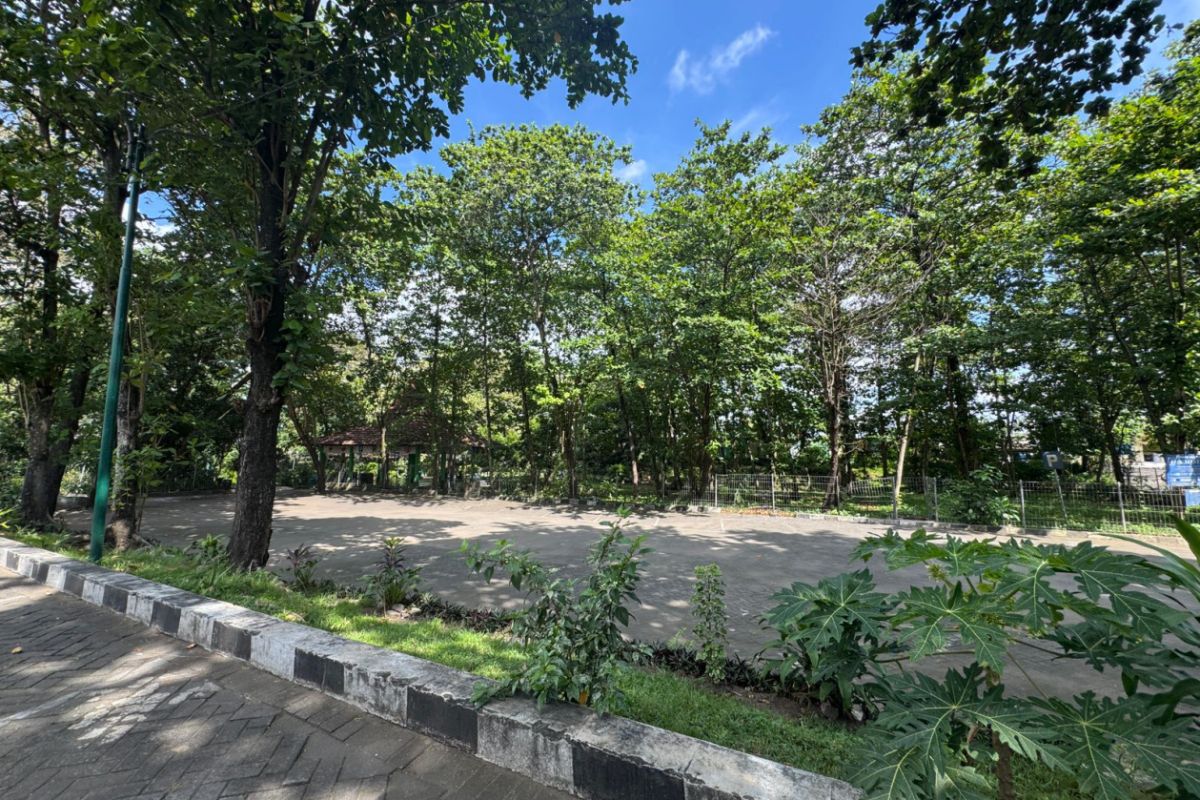
The Ministry of Housing and Settlement (PKP) RI has identified the Taman Keselamatan Lalu lintas area in Giwangan Village, Umbulharjo Subdistrict, Yogyakarta City as the location for vertical housing development in the city centre. Vice Minister of PKP Fahri Hamzah said on Friday in Yogyakarta that vertical housing is a solution to address land scarcity in major cities, particularly in Java with high population density. ‘This area is one of the interesting ones. I will report it so it can be selected as a site for affordable urban vertical housing,’ Fahri said after inspecting the Taman Keselamatan Lalu lintas area. According to him, the Taman Keselamatan area can be prioritised for vertical housing because the land is state-owned, whether central, regional, or state-owned enterprises (BUMN), allowing land costs to be reduced through government subsidies. Vice Minister PKP stated that constructing vertical housing in city centres is expected to lower living costs for residents while maintaining residential environmental quality. However, he noted that decent housing standards must still be adhered to in line with Sustainable Development Goals (SDGs) indicators. ‘Java is already very densely populated, with around 60% of Indonesia’s population residing there. Farmland is disappearing, so living patterns must be consolidated vertically for greater efficiency and comfort,’ he said. Furthermore, the government is currently seeking strategic locations in city centres for new housing areas to reduce settlement density without forcing residents to move too far to the outskirts. ‘The government is looking for new areas, but they must be in the city centre so that residents’ lives do not shift too far,’ he added. ‘If people move too far to support reduced settlement density, urban sprawl often occurs, where the city spreads out,’ he explained. ‘As a result, those who move face difficulties because schools, hospitals, and public facilities are not yet available,’ he said.