
Ministry of Higher Education, Science, and Technology Pushes for Comprehensive Programme Transformation
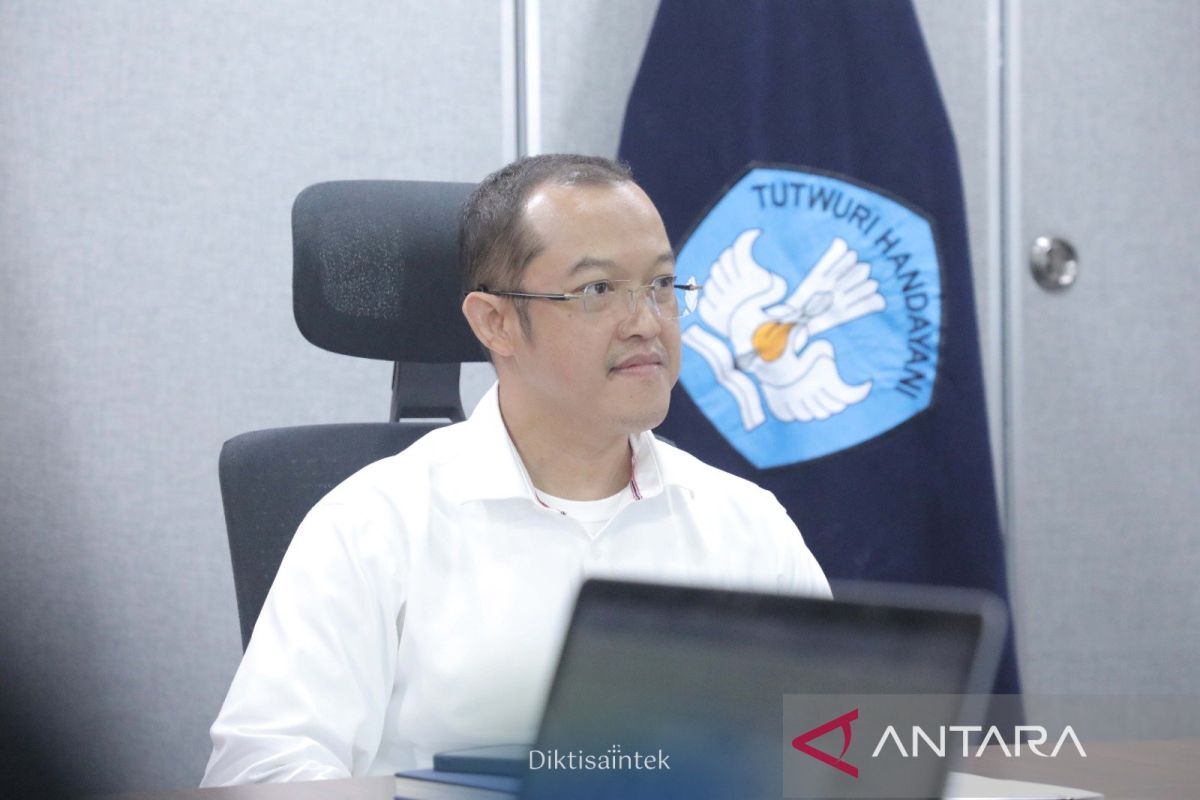
Jakarta (ANTARA) - The Ministry of Higher Education, Science, and Technology (Kemdiktisaintek) has affirmed that the arrangement of study programmes in higher education institutions is conducted in a measured, comprehensive manner, based on thorough studies. In a statement in Jakarta on Monday, Acting Secretary General of Kemdiktisaintek Badri Munir Sukoco emphasised that this policy is part of the transformation of higher education to improve quality, relevance, and the contribution of higher education institutions to national development. “Kemdiktisaintek affirms that the closure of study programmes is not the primary choice. Closure is only the last option if a study programme, based on a comprehensive evaluation, no longer meets quality standards, lacks adequate academic sustainability, and cannot be further developed through mentoring or transformation measures,” said Badri. Badri noted that the evaluation of study programmes is not solely based on aspects of interest or employment absorption, but also on the quality of learning, lecturer capacity, academic sustainability, scientific contributions, national strategic needs, and regional development equity. Badri underscored that basic sciences, social sciences, humanities, education, and non-applied fields continue to hold important positions in the national talent architecture. “The government does not view higher education narrowly as a workforce provider, but as a centre for developing knowledge, innovation, culture, leadership, and solutions for society,” he affirmed. Badri stated that Kemdiktisaintek continues to encourage healthy linkages between higher education institutions, industry, government, and society. Such collaboration is necessary so that graduates are not only job-ready but also capable of creating jobs, building innovations, and addressing national challenges. He invited all higher education institutions, professional associations, the business world, local governments, and the academic community to jointly strengthen the quality and relevance of Indonesian higher education. “With a measured and sustainable approach, the arrangement of study programmes is expected to pave the way to ensure that the demographic bonus truly becomes a leap forward towards Golden Indonesia 2045,” stated Badri Munir Sukoco.