
Ministry of Higher Education, Science, and Technology Invites Industry to Develop Energy Technology
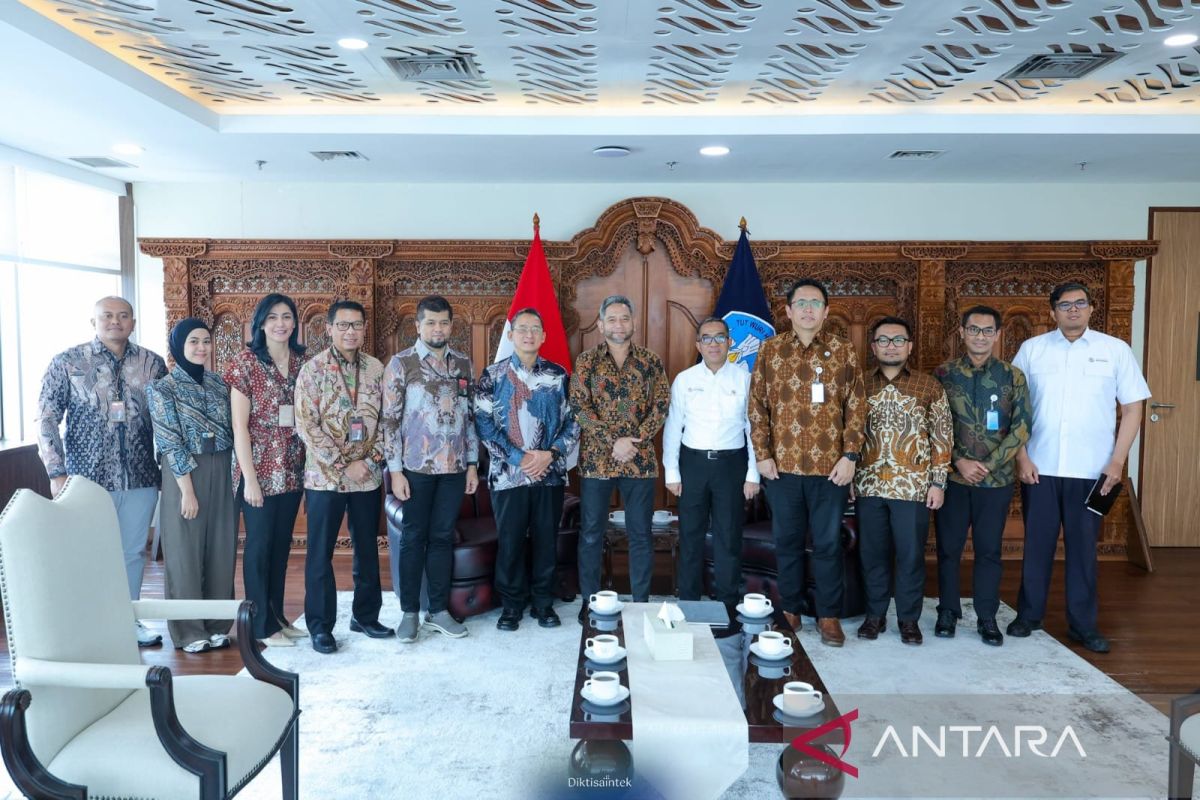
Minister of Higher Education, Science, and Technology (Mendiktisaintek) Brian Yuliarto has invited industry to collaborate in developing energy technology, particularly in the field of fuels based on renewable resources.
In a statement in Jakarta on Thursday, the Minister emphasised the importance of building a collaborative ecosystem that brings together industrial needs with research and technological capacity. One approach is through consortiums and pilot projects, which serve as spaces to test technology in stages.
“We will create something like a consortium. It could become a technology pilot, so that there is learning,” he said.
Minister Brian assessed that pilot projects can be part of the testing and learning process in technology development. Through gradual testing, the results obtained can serve as evaluation material for refining the technology at the next stage.
According to him, the connection between universities, researchers, and industry is an important part of the policy direction of Diktisaintek Berdampak (Impactful Higher Education, Science, and Technology).
“Strengthening this collaboration is expected to encourage research and innovation to become more relevant to the needs of society, the business and industrial world, as well as national development challenges,” said Brian.
It is known that Minister Brian Yuliarto met with representatives from Medco Energy and PT Pertamina (Persero) to discuss opportunities for research collaboration and technology development on Tuesday (11/8).
The meeting was part of efforts to follow up on President Prabowo Subianto’s directive to encourage the utilisation of domestic resources to strengthen energy security and reduce dependence on imports.
During the meeting, several raw materials for the development of renewable fuels were discussed, including used cooking oil (UCO), empty palm oil fruit bunches (TKKS), molasses and cassava, as well as opportunities for developing second-generation biofuel technology.
The discussion also covered the challenges of raw material availability and the need for technology development suited to Indonesia’s conditions.