
Ministry of Health: World Health Day to Promote Science-Based Elderly Care
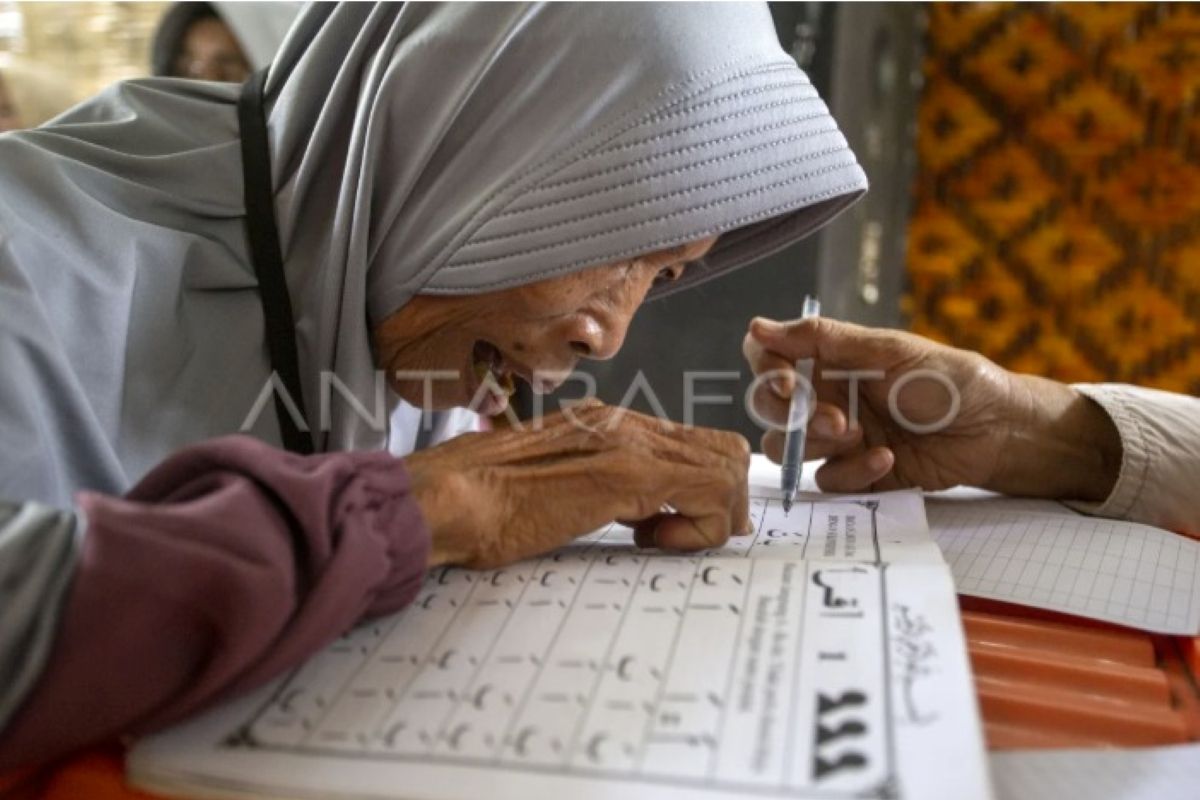
Jakarta (ANTARA) - The Ministry of Health states that World Health Day 2026 serves as a crucial moment to foster cross-sector collaboration and base health policies on scientific evidence to improve the welfare of the elderly.
Director of Health Services for Vulnerable Groups at the Ministry of Health, Imran Pambudi, said in Jakarta on Tuesday that this year’s commemoration theme is “Together for health. Stand with science”.
He explained that more than half of Indonesia’s provinces have entered the ageing population era, with the proportion of elderly exceeding 10%.
“The elderly ratio is estimated to increase sharply, from 11% in 2025 to 22.8% in 2050. The health conditions of the elderly in Indonesia show a rising burden of chronic diseases and disabilities with age. Around 66% of respondents in the Indonesia Longitudinal Ageing Survey (ILAS) reported medical conditions, with digestive issues, hypertension, and cholesterol being prominent,” he said.
Furthermore, he noted, the prevalence of symptoms requiring primary network services (PJP) rises from 11.6% overall to 41.9% in the over-80 age group.
The study Transforming Care: Global Innovations in the Care Economy in Australia underscores that the care economy is a significant part of the socio-economic structure that is often under-measured and underfunded.
Globally, the combined value of paid and unpaid care is estimated at around US$11 trillion per year, with unpaid care equivalent to about 9% of global GDP and total unpaid care hours reaching 16.4 billion hours per day.
In some countries, the care sector accounts for around 15% of the workforce, yet median wages in this sector remain lower than the industry average, while working hours in Health Care & Social Assistance have increased by 20.1% since 2016, indicating a rapidly growing workload without proportional recognition and support.
“From Australia’s experience, several important lessons can be drawn: integrating services through multidisciplinary teams and consumer-centred models reduces fragmentation and improves outcomes,” he stated.
Imran assessed that Australia’s experience offers several practical lessons that can be adapted. First, the service integration model reduces fragmentation and enhances care continuity.
“Indonesia can adapt this model by making puskesmas and elderly posyandu as integration hubs that coordinate screening, referrals, and rehabilitation services,” he said.
Second, a preventive and early detection approach, such as WHO ICOPE and rapid screening tools, has proven to help identify functional risks earlier. Implementing simple and contextual versions in primary facilities will reduce hospitalisations and dependency.
Fourth, digitalisation and data strengthen coordination among providers. According to him, Indonesia needs to accelerate the development of disaggregated databases and system interoperability. Fifth, long-term financing models and recognition of informal caregivers are key to service sustainability.
“When policies and practices are grounded in science, preventive interventions, early detection, and person-centred care can prevent functional decline and extend elderly independence,” said Imran.
Source: jawawa.id (https://jawawa.id/newsitem/ministry-of-health-world-health-day-to-promote-science-based-elderly-care-1775609611)
Originally published by Antara (Indonesian) (https://www.antaranews.com/berita/5515469/kemenkes-hari-kesehatan-dunia-dorong-perawatan-lansia-berbasis-sains), translated from Indonesian