
Ministry of Health urged to consider socio-economic impact of cigarette packaging standardisation
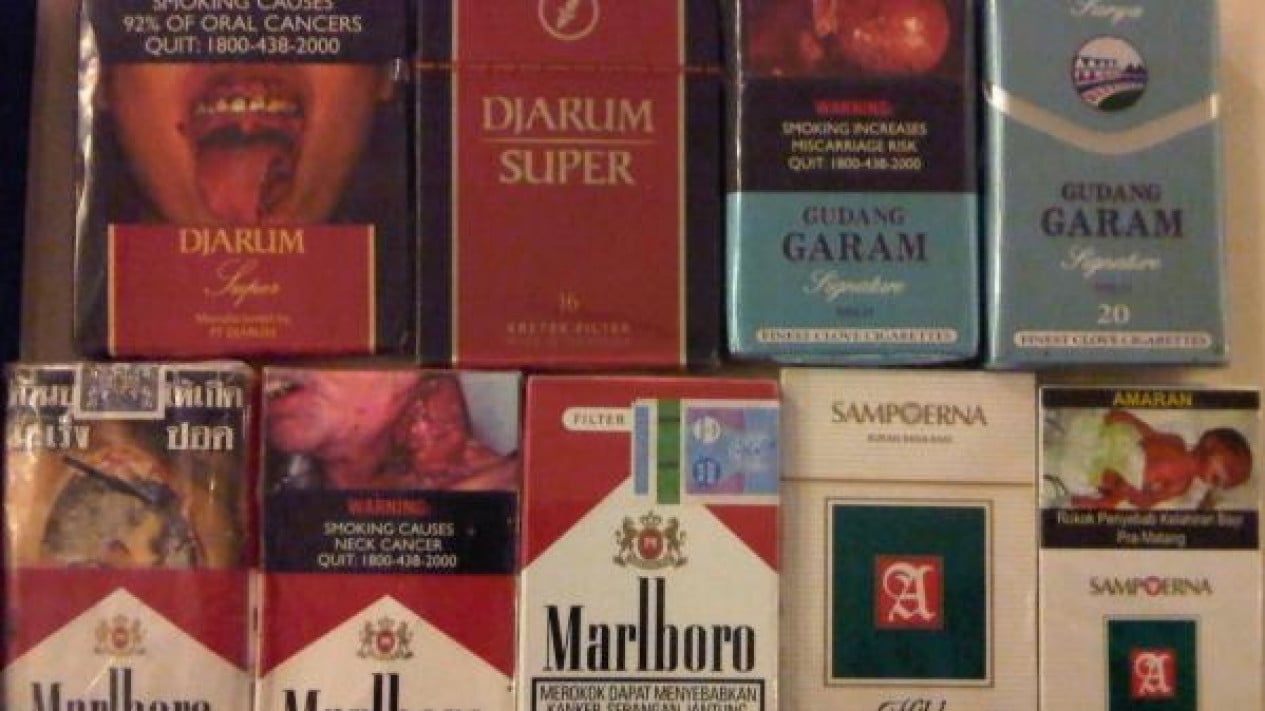
The Ministry of Health (MoH) held a public consultation for the draft Ministerial Regulation (RPMK) on Health Warnings, as a derivative of Government Regulation No. 28 of 2024 (PP No. 28/2024), on Monday, 25 May 2026. The MoH’s initiative to standardise cigarette packaging has drawn unanimous opposition from various stakeholders in the tobacco ecosystem.
Among them is Heri Susianto, the Acting Chairman of the Indonesian Tobacco Industry Community Forum (Formasi). He asserted that the RPMK on Health Warnings violates the principles of legal certainty, benefit, and fairness. ‘The MoH’s sectoral ego is too high. Please don’t create misleading regulations. The mandate of PP No. 28/2024, which should be about health warnings, has been expanded to packaging standardisation. Our inputs have not been valued; it’s all so complicated. Don’t let the MoH act arbitrarily,’ Heri told journalists.
Heri expressed frustration that the MoH is using non-tobacco-producing countries as benchmarks for the RPMK’s excessive standards. ‘Indonesia is a tobacco producer; don’t equate it with Singapore and Thailand, which are deemed to have strict packaging standards. The MoH must also remember that intellectual property rights are being violated by this RPMK,’ he stressed.
Meanwhile, Henry Wardhana, Chairman of the Tobacco, Food, and Beverage Workers’ Federation of the All-Indonesia Workers’ Union (FSP RTMM-SPSI), echoed similar concerns. He reminded the MoH of the socio-economic impact on communities as the initiator of the packaging standardisation regulation draft. ‘The changes made by the MoH to the RPMK’s health warning clauses entirely fail to anticipate socio-economic impacts. The proposed changes are becoming stricter. The government is currently striving for economic growth, so we urge the MoH not to take this lightly. Please consider the socio-economic consequences,’ Henry Wardhana said.
Henry also stated that the tobacco ecosystem provides livelihoods for six million workers. If the current RPMK clauses proceed to enforce packaging standardisation, widespread layoffs will be unavoidable. ‘Stop this public misinformation; create regulations that benefit the people. Once again, we reject the RPMK that does not incorporate input from other sectors due to its significant socio-economic impact,’ he added.