
Ministry of Health tests new JKN service and financing system based on medical specialisation
The entire city of Bandung, including private and public hospitals, community health centres (Puskesmas), and clinics, will serve as the testing ground for this initiative.
The Ministry of Health has designated Bandung as one of the pilot locations for a total transformation of the National Health Insurance (JKN) system. This reform will remove the tiered BPJS Kesehatan referral system, enabling patients to be referred directly to hospitals according to their medical requirements and disease specialisation.
This integrated trial encompasses three health reforms: Service Capability-Based Referral (RBKP), Standard Inpatient Class (KRIS), and the Indonesian Diagnosis Related Group (ID-DRG) financing system. In Bandung, these changes will be implemented simultaneously across all community health centres, clinics, and both state and private hospitals.
The Secretary-General of the Ministry of Health, Kunta Wibawa Dasa Nugraha, explained that the new RBKP scheme will cut through the medical bureaucracy that previously required patients to move through Class D, C, and finally A hospitals in stages.
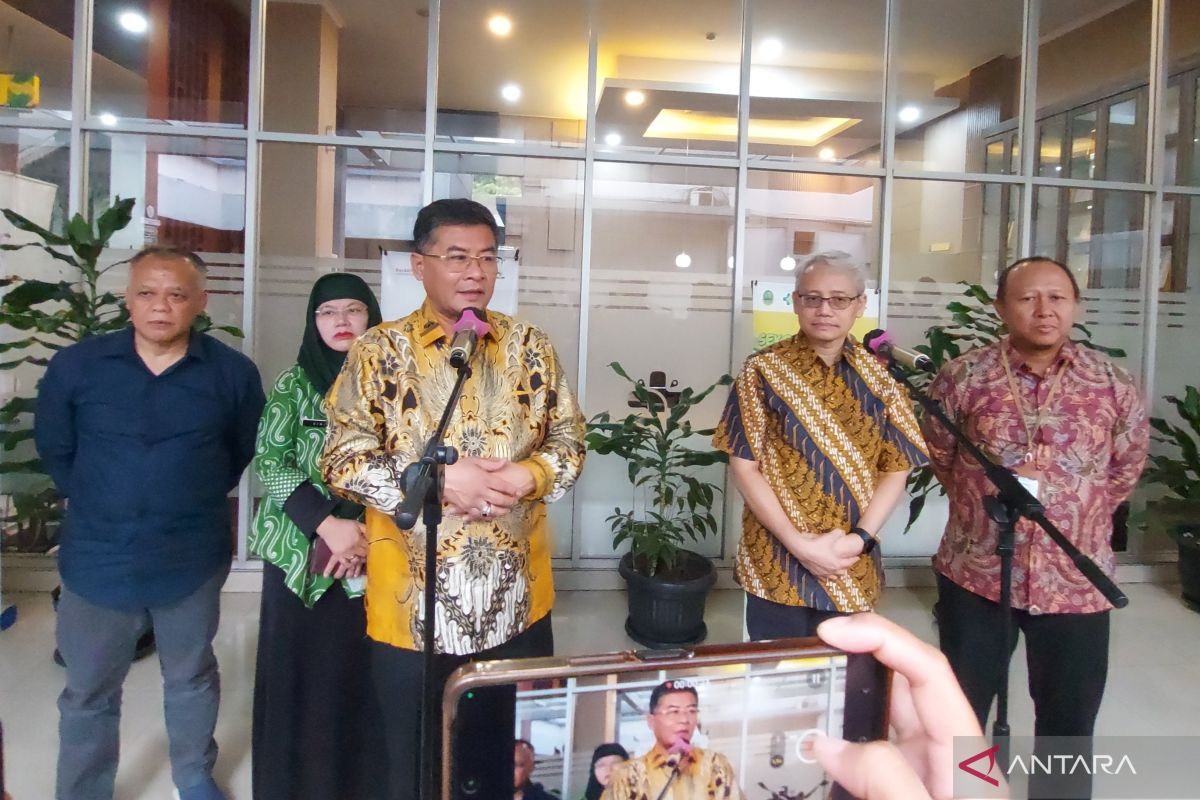
“Currently, when people visit a Puskesmas, they are referred according to the hospital’s class. They must go to Class D first, then C, then B, and so on. Under the new system, after visiting a Puskesmas, they will be referred based on their specific illness. If a patient has a complicated heart condition, they will be sent directly to a hospital with primary cardiac services. This ensures the public receives better, more immediate care without the need for tiered queues,” Kunta stated following an audience at the West Java Health Office building in Bandung on Friday.
The second reform focuses on the implementation of KRIS, which establishes 12 strict criteria for inpatient comfort. These include the availability of oxygen cylinders, functional ventilators, en-suite bathrooms, and a maximum capacity of four beds per room, reduced from the previous six to eight patients.
The third reform introduces the ID-DRG financing scheme, which adjusts BPJS Kesehatan claim amounts based on the actual operational cost characteristics of hospitals in Indonesia.
Kunta revealed that Bandung was selected alongside Makassar, Tulungagung Regency (East Java), and Muara Enim Regency (South Sumatra) as one of four national pilot locations for the next 12 months, prior to a nationwide rollout. The trial will commence once the relevant Presidential Regulation (Perpres) has been finalised.
The Deputy Governor of West Java, Erwan Setiawan, welcomed the breakthrough and expressed optimism that the acceleration of the trial in Bandung could be completed within three months, allowing the system to be replicated across ,118 community health centres in 27 regencies and cities throughout West Java.
“We from the West Java Provincial Government express our highest appreciation to the Ministry of Health and BPJS Kesehatan. Previously, the public struggled with uncertainty regarding where to go after a Puskesmas referral, often while their condition worsened. Now, they can be referred directly based on their disease—cancer patients to cancer specialists, and heart patients to cardiac specialists,” said Erwan.
Source: jawawa.id (https://jawawa.id/newsitem/ministry-of-health-tests-new-jkn-service-and-financing-system-based-on-medical-specialisation-1790334476)
Originally published by Antara (Indonesian) (https://www.antaranews.com/berita/5758504/kemenkes-uji-coba-sistem-layanan-pembiayaan-jkn-sesuai-spesialisasi), translated from Indonesian