
Ministry of Health: Reduce Stigma Against Men to Protect Mental Health
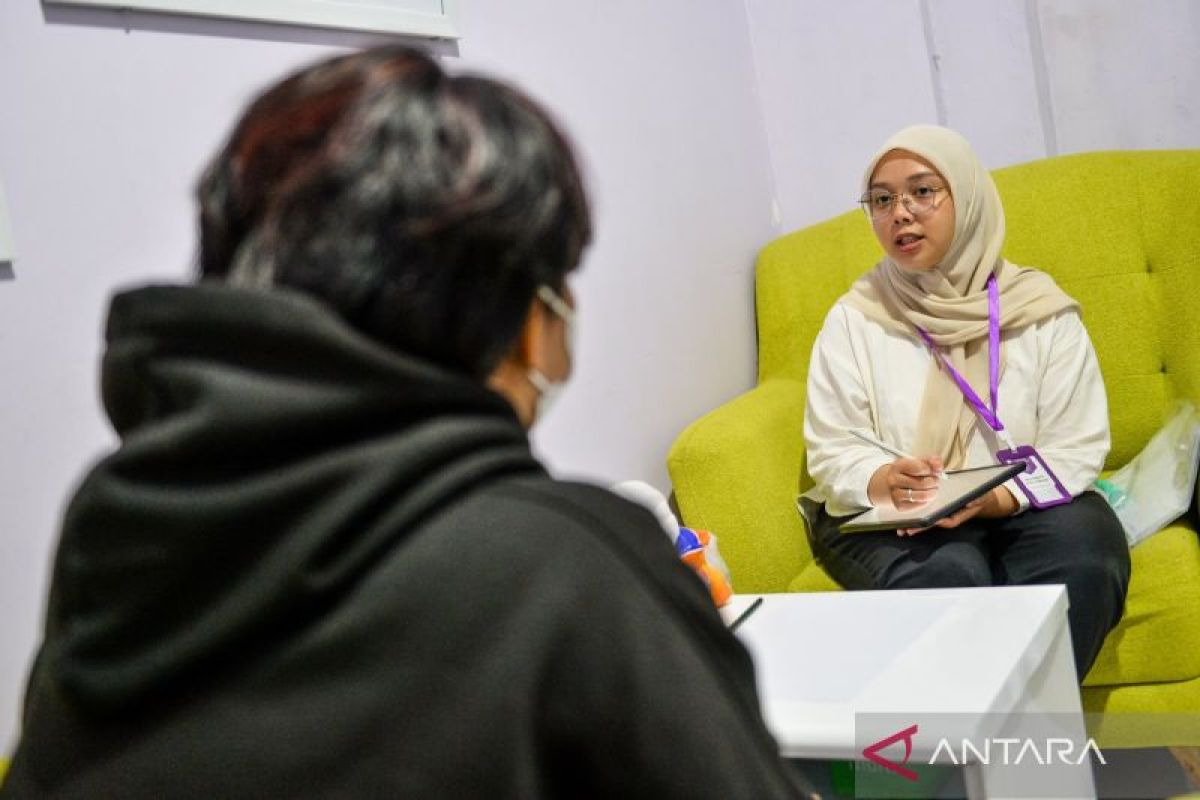
The Ministry of Health has stated that a shift in public perception and the reduction of stigma against men are essential to ensuring men’s mental health through expanded healthcare access, coinciding with June as Men’s Mental Health Awareness Month.
“Special attention to men is not without reason. In many places, including Indonesia, suicide rates are higher among men, and data shows that most cases involve men within certain age ranges. According to Indonesian National Police data from 2023 and 2024, 77 per cent of suicide cases were committed by men, with the highest frequency occurring in those over the age of 40,” said Dr Imran Pambudi, Director of Health Services for Vulnerable Groups at the Ministry of Health.
Speaking in Jakarta on Monday, Dr Pambudi noted that amidst the demands of roles, family responsibilities, and social pressures, many men endure anxiety, depression, or stress without sharing, allowing minor issues to escalate into life-threatening crises. He suggested this momentum provides an opportunity for communities, workplaces, and healthcare services to focus on needs that have previously been overlooked.
The June campaign aligns with international initiatives such as Father’s Day and International Men’s Health Week to maximise public reach. “The primary goal is simple yet crucial: to reduce the stigma that makes people reluctant to seek help, encourage early detection through screening in primary services and workplaces, expand access to services such as teleconsultations and hotlines, and disseminate suicide prevention messages that are sensitive to gender differences,” said Imran.
Masculinity norms emphasising resilience and independence often cause men to delay or avoid mental health services, meaning conditions are often only revealed when they have become severe. Furthermore, symptoms in men often manifest in less typical ways—such as irritability, anger, withdrawal, or increased alcohol consumption—which can be easily missed by families and healthcare professionals.
Dr Pambating added that the link between mental health issues and substance abuse adds further complexity and socio-economic risk. He emphasised that changing public perception is vital, asserting that seeking help is not a sign of weakness but a courageous act to protect oneself and others.
Effective campaigns, he noted, should redefine courage by highlighting real stories, featuring public figures who speak openly, and providing accessible referral pathways. At the healthcare level, training primary health workers to recognise atypical signs in men and providing rapid referrals to psychosocial or psychiatric services can save lives. In the workplace, screening programmes and peer support can lower barriers to seeking help.
Practical steps for individuals include initiating small conversations with friends or family and scheduling mental health check-ups at the nearest facility. For families and friends, a warm, non-judgemental approach—listening without offering instant solutions—can create space for those struggling to speak out.
However, strong social stigma and limited access to services in certain regions necessitate sustainable strategies. Mitigation efforts include expanding teleconsultation services to overcome geographical and time barriers, providing affordable services, and implementing evidence-based suicide prevention programmes involving various stakeholders. This effort must be cross-sectoral, integrating health, education, workplaces, and communities to ensure a comprehensive and lasting impact.