
Ministry of Health: Reading Books as an Instrument to Safeguard Mental Health for Vulnerable Groups
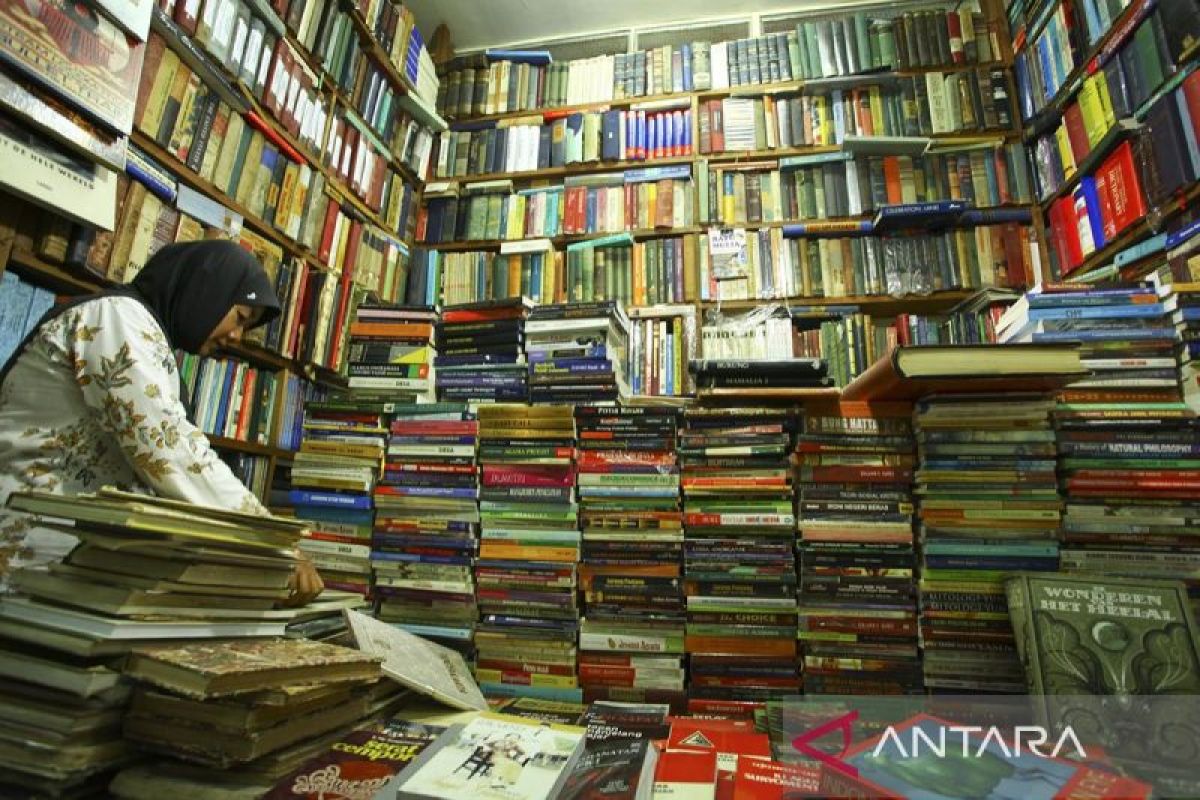
Jakarta (ANTARA) - The Ministry of Health emphasises the importance of a reading culture as one of the light medical instruments to maintain the mental health of society, particularly in strengthening the mental resilience of vulnerable groups.
Dr Imran Pambudi, Director of Health Services for Vulnerable Groups at the Ministry of Health, stated in Jakarta on Saturday that the commemoration of World Book Day every 23 April is an opportune moment to campaign for literacy as a health intervention to reduce anxiety.
“Reading is not merely a cultural activity, but it offers a calm respite that can lower nervous tension and reorganise thoughts amid the hustle and bustle of modern life,” he said.
The Ministry of Health reports that numerous studies have found that consistent reading activity for 20 to 30 minutes each day can help the brain train memory and cognitive abilities. Thus, this becomes crucial in preventing mental function decline with advancing age.
On the social side, Imran encourages the development of book clubs at the community level as a strategy to prevent social isolation, while also reducing feelings of loneliness that often trigger mental health problems in vulnerable groups.
“Inclusive literacy, such as providing books in public spaces and cross-generational reading sessions, can become part of a simple yet highly impactful public health strategy,” he said, while suggesting that the public start limiting mobile phone screen use before bed and switch to printed books to improve sleep quality and provide quality rest time for the brain.
In that statement, Imran also expressed hope that nationally, books can be viewed as tools for personal transformation to build a healthier inner self and tighter-knit communities, in line with the designation of Rabat City in Morocco as the World Book Capital by UNESCO for the 2026 World Book Day commemoration. Rabat itself has long been known as a home to international book publishers and exhibitions, and even the third largest literacy access in the African continent.