
Ministry of Health: Empowering Nurses Improves the Dignity of the Elderly
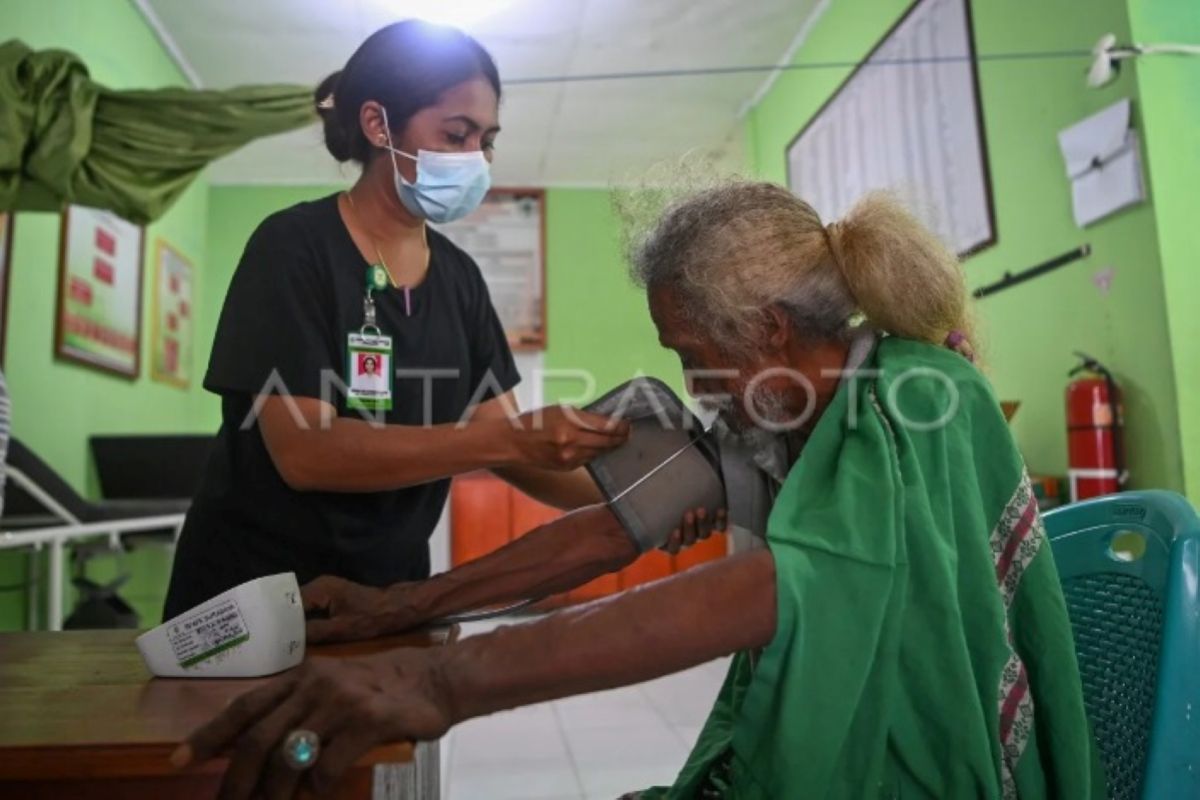
Jakarta (ANTARA) - The Ministry of Health says that nurses who are empowered through the provision of authority, training, and support, will save lives today and build a more dignified future for the elderly tomorrow.
Director of Health Services for Vulnerable Groups at the Ministry of Health, Imran Pambudi, said in Jakarta on Friday that World Nurses Day, themed “Our Nurses. Our Future. Empowered Nurses Save Lives,” is not just a date on the calendar, but a call to see, appreciate, and strengthen the role that has long been the lifeblood of elderly care in Indonesia.
“In Indonesia, the challenges faced are clear and urgent. There are currently around 34 million elderly people. The proportion of elderly people is increasing from 12 percent in 2024 and is projected to reach 20 percent in 2045,” he said.
Meanwhile, he said, the number of nurses worldwide increased from 27.9 million in 2018 to 29.8 million in 2023, but there is still a deficit of around 5.8 million, with uneven distribution because 78 percent of nurses are concentrated in high-income countries.
“According to data from the Ministry of Health, of the 1.9 million health workers in 2025, around 1.3 million are nurses, with a large concentration in Java and a shortage in eastern regions,” he added.
The role of nurses in elderly health includes everything from screening Activities of Daily Living (ADL) and Mini-Cog at Posyandu, assessing nutrition with MNA-SF, to deciding whether interventions can be carried out at Community Health Centers, through home care, or require referral to hospitals.
In many Elderly-Friendly Community Health Centers, of which there are around 8,900 (86 percent), nurses not only provide medication; they become care managers, case finders, family educators, and liaisons to social services.
According to him, World Nurses Day also raises the issue of equity. The uneven distribution of health workers, heavy workloads, and the urgent need for geriatric training. Nurses in remote areas often work without adequate support.
“Many family caregivers provide daily care without adequate compensation. Strengthening nurses means providing geriatric training, certification pathways, placement incentives, and work protection—steps that directly improve the quality of care for vulnerable elderly people,” he said.
Within the framework of the national strategy on aging, nurses are the main drivers of transforming services into a holistic and sustainable system. They operate community-based Long-Term Care (LTC) models, test and adapt telemedicine technology for home care, and collect the data needed for monitoring and evaluation.
“When the National Strategy promotes five pillars—social protection, health and care, elderly-friendly environment, empowerment, and institutional strengthening—it is the nurses who translate those pillars into concrete actions in the field,” he said.
According to him, the commemoration of World Nurses Day is not just an honor; it is a call to action. Empowering nurses means accelerating the coverage of health checks to reach targets, expanding standardized LTC services, and ensuring fair financing so that care does not depend solely on the generosity of families.
Source: jawawa.id (https://jawawa.id/newsitem/ministry-of-health-empowering-nurses-improves-the-dignity-of-the-elderly-1780581655)
Originally published by Antara (Indonesian) (https://www.antaranews.com/berita/5569079/kemenkes-perawat-yang-berdaya-tingkatkan-martabat-lansia), translated from Indonesian