
Ministry of Health: Elderly-friendly infrastructure critical for national HALE improvement
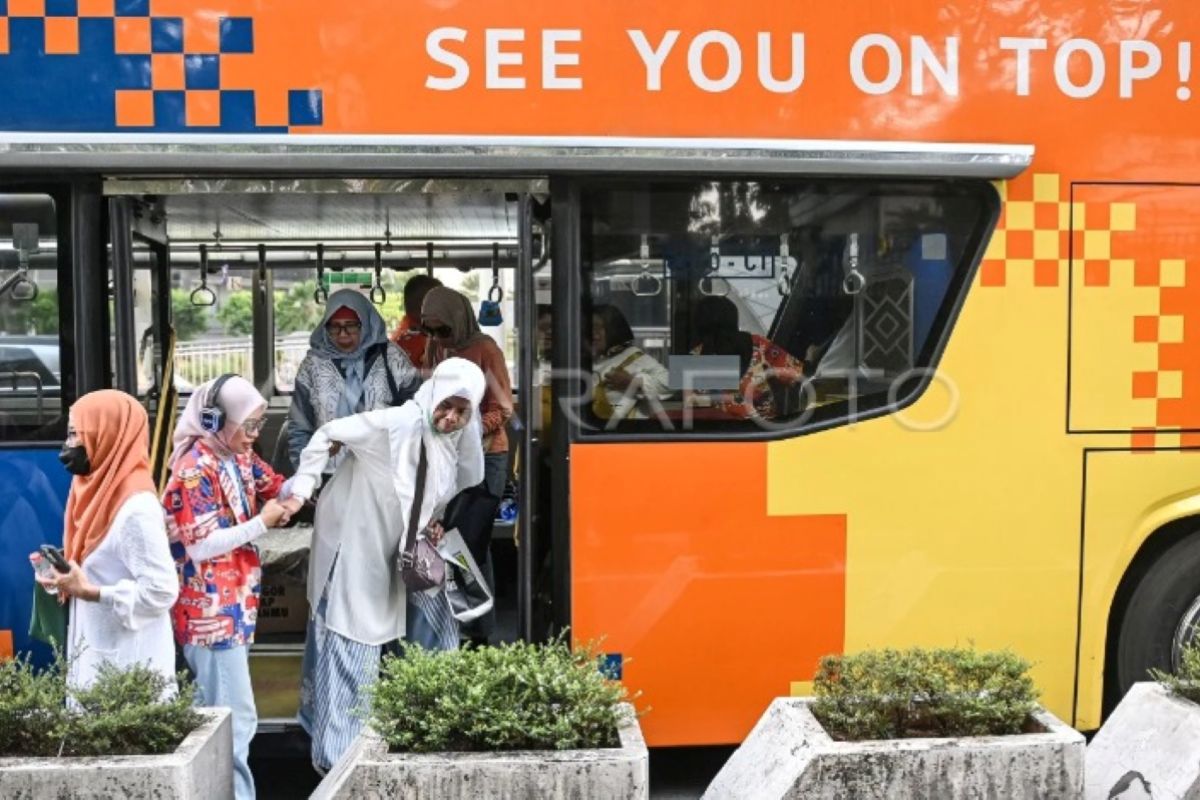
The Ministry of Health stated that elderly-friendly infrastructure, alongside mobility support and preventive care services, can extend Indonesia’s Health Adjusted Life Expectancy (HALE), currently at around 60.7 years. Imran Pambudi, Director of Vulnerable Group Health Services at the Ministry of Health, said in Jakarta on Friday that although Indonesia’s life expectancy is 74.15 years, HALE remains at 60.7 years, indicating a gap between lifespan and healthy years, leaving many seniors at risk of ageing with illness, dependency, or functional limitations. He noted that screening results from the 2025 Free Health Check (CKG) revealed high rates of health issues among seniors, with mobility problems being the most prevalent—64.6% of those examined had mobility limitations. Imran added that Indonesia is entering an ageing population era, with the elderly demographic growing due to increased life expectancy from successful development, particularly in health and social welfare. With life expectancy rising, he said, health development focus must shift from merely living longer to ensuring seniors remain healthy, independent, active, and maintain good quality of life. He also highlighted a shift in perspective on ageing, where longevity success is now measured by bodily functionality rather than youthful appearance. Strength, mobility, balance, and mental acuity are now valued metrics, not smooth skin or weight numbers. “Therefore, the concept of healthy ageing is crucial—to ensure seniors retain functional ability to optimally manage daily life and remain socially engaged,” he said. Shifting focus from aesthetics to functionality has tangible consequences; prioritising strength and mobility reduces chronic disease risk, prolongs independence, and decreases the need for intensive care later. “Therefore, investing in strength, sleep, nutrition, and supportive environments is the best strategy for a dignified, independent future,” he said. “Unobstructed access, safe surfaces, and public spaces that encourage functional activity. Incentives for proven preventive services that extend healthspan are also socially and economically strategic steps,” he said.
Source: jawawa.id (https://jawawa.id/newsitem/ministry-of-health-elderly-friendly-infrastructure-critical-for-national-hale-improvement-1780040137)
Originally published by Antara (Indonesian) (https://www.antaranews.com/berita/5586233/kemenkes-infrastruktur-ramah-lansia-investasi-hale-nasional), translated from Indonesian