
Ministry of Health and BPJS Kesehatan Monitor KRIS Trial in Makassar
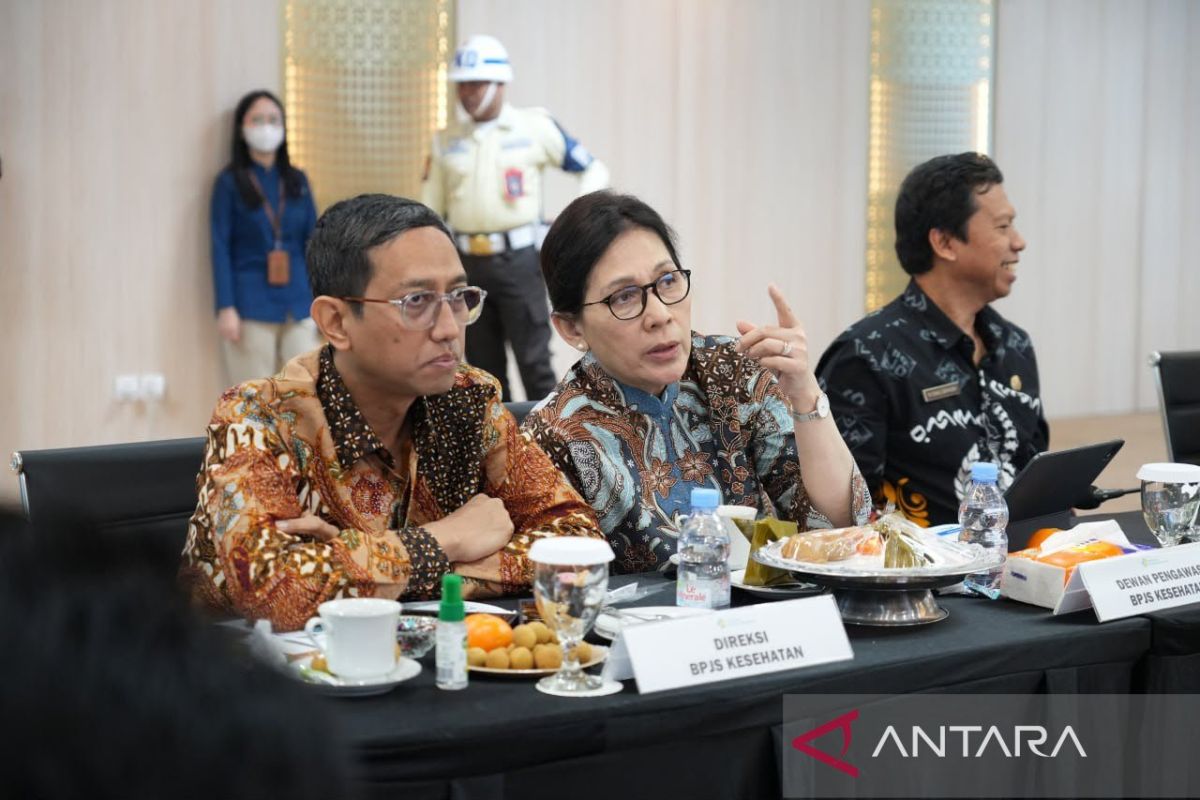
Makassar — The Ministry of Health and BPJS Kesehatan are monitoring the trial implementation of Referral Based on Service Capability (RBKP), Standard Inpatient Class (KRIS), and the grouping of diseases known as Indonesian Diagnosis Related Groups (IDRG) in Makassar on Thursday, following previous activities in Bandung and Tulungagung.
Setiaji, the Director of Information Technology at the Social Security Administering Body (BPJS) Kesehatan, stated that this trial is part of the government’s efforts to prepare for the gradual and measurable implementation of various strategic policies within the National Health Insurance (JKN) Programme. “We are fully prepared to support this trial. Certainly, thorough preparation is required before these policies are implemented nationally. From the results of this trial, there are still several aspects that need to be evaluated and refined,” he said.
He expressed hope that the trial could mitigate various field challenges to ensure smooth implementation. The event was also attended by Murti Utami, a member of the BPJS Kesehatan Supervisory Board.
During the trial in Makassar, the Ministry of Health and BPJS Kesehatan visited several healthcare facilities representing various levels and types of health services, including RSUP dr Wahidin Sudirohusodo, RS Tingkat II Pelamonia, Puskesmas Tamalate, RSIA Sentosa, and the Kimia Farma Ahmad Yani Clinic. The readiness of these facilities in supporting the trial was monitored, covering aspects of service, human resources, infrastructure, and the integration of cross-agency systems.
“This trial is expected to improve the quality of services. Furthermore, we currently want to shift healthcare services from being volume-based to value-based, which ultimately aims not only to ensure the sustainability of the JKN Programme but also to ensure that healthcare services can be better and the public can live healthier lives,” said Setiaji.
For this trial, which will last for a maximum of one year, the government has designated Bandung, Tulungagung, Makassar, and Muara Enim as trial locations. “Across these four locations, a total of 464 Primary Healthcare Facilities (FKTP) and 94 hospitals are participating in the trial. Through this trial, the government is striving to ensure that the entire process can proceed smoothly,” he added.
Dr Annas Ahmad, the President Director of RSUP dr Wahidin Sudirohusodo Makassar, explained his institution’s readiness to serve as a trial site for these policy implementations. According to him, strong synergy is required between the central government, local government, healthcare facility management, and BPJS Kesehatan to ensure optimal healthcare delivery in the field.
He expressed hope that the determination of the Indonesian Diagnosis Related Groups (IDRG) tariffs would take into account inflation, technology, medicine, and hospital development. “The IDRG tariff must be able to reflect the complexity of diseases and the real costs of services. We also hope there will be guidelines for hospitals and BPSS Kesehatan in processing claims, so that implementation in the field can become increasingly effective, efficient, and transparent,” he said.
Felly Estelita Runtuwene, Chairperson of Commission IX of the House of Representatives (DPR), who conducted a working visit at the same time, appreciated the government’s steps to improve healthcare quality through the KRIS, IDRG, and RBKP trials. She hoped that monitoring the trial would simultaneously capture the reality of healthcare services experienced by the public. “Every citizen has the right to accessable healthcare. We hope healthcare facilities can provide the best possible service to all patients. There must be no issues regarding discrimination between BPJS patients and general patients,” she said.