
Ministry of Health: 63.5 per cent of elderly participants in free health checks suffer from hypertension
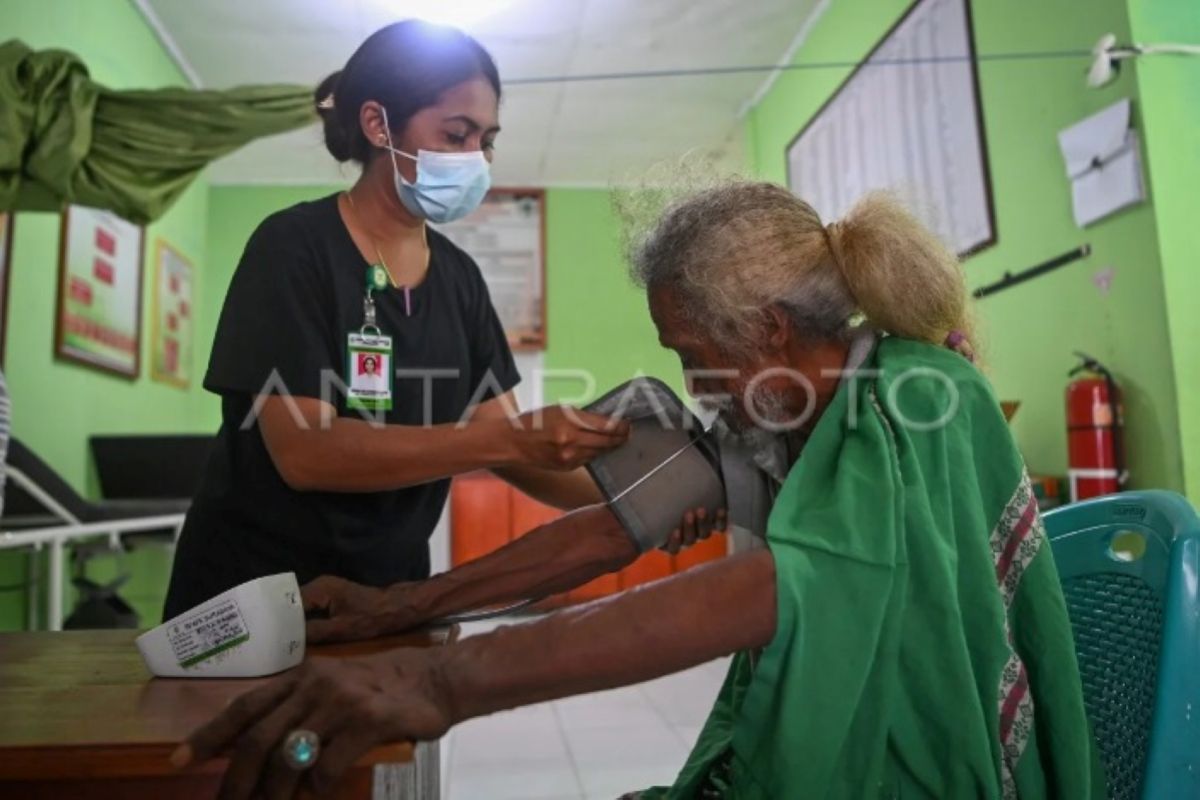
The Ministry of Health (Kemenkes) has stated that results from Free Health Check (CKG) programmes show that 4.36 million, or 63.5 per cent, of the 6.8 million elderly participants suffer from hypertension. Consequently, integrated and sustainable interventions are required for better management.
Imran Pambudi, Director of Health Services for Vulnerable Groups at the Ministry of Health, stated in Jakarta on Monday that globally, an estimated 1.4 billion people live with hypertension, yet only about one in four has controlled blood pressure. Trends in population ageing and urbanisation are increasing this burden, while blood pressure control remains low, particularly in low- and middle-income countries.
“Hypertension in the elderly has severe clinical and social consequences. High blood pressure increases the risk of stroke, ischaemic heart disease, heart failure, and chronic kidney disease. Epidemiological evidence also links long-term hypertension to accelerated cognitive decline and increased needs for long-term care,” said Imran.
Therefore, he noted, prevention and control efforts must not stop at providing medication but must also encompass rehabilitation, caregiver support, and financing schemes that protect the impoverished elderly.
According to him, hypertension prevention is most effective when started as early as possible, with routine blood pressure screening starting from age 18 and annual examinations, particularly for the elderly. “Interventions proven to reduce risk include reducing salt intake to <5g/day, at least 150 minutes of moderate-intensity physical activity per week, weight management, a healthy diet, limiting alcohol, and smoking cessation,” he added.
Imran mentioned that an effective response requires a ‘pentahelix’ approach, ranging from government policies regulating salt reduction and nutritional labelling, to healthcare facilities strengthening primary services and geriatric referral pathways; academics providing evidence and training; the business sector supporting elderly-friendly products; and the media and community disseminating messages on prevention and early detection.
“For policymakers and service providers, Hypertension Day 2026 must serve as a momentum to accelerate screening coverage, improve the cascade of care, and integrate rehabilitation services and social support for the elderly. With integrated steps combining population prevention, strengthening primary services, and social protection, hypertension can be managed so that the elderly can continue to live independently and with dignity,” he concluded.