
Ministry of Health: 10-15% of Hajj Pilgrims Experience Mental Health Issues, Elderly Suffer Dementia
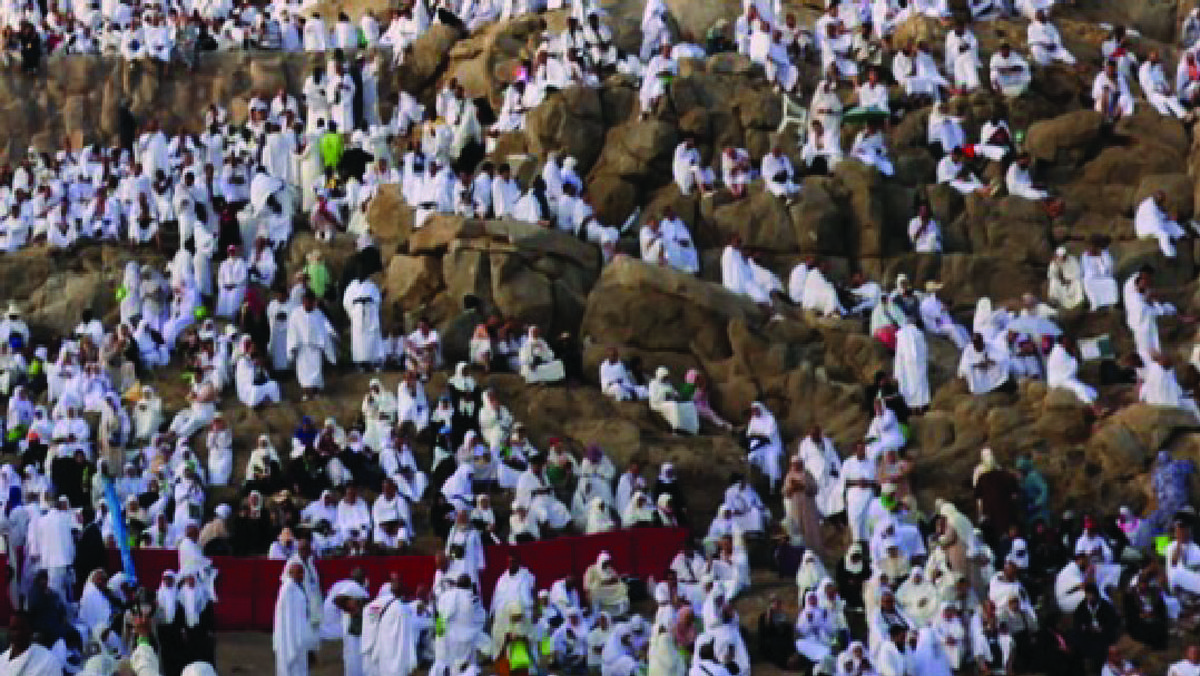
The Indonesian government has begun facilitating the journey of prospective Hajj pilgrims to the Holy Land of Mecca in Saudi Arabia since the beginning of this week. Among the hundreds of thousands of prospective pilgrims, one of the challenges is the pilgrims—especially the elderly—in terms of both physical and psychological health. Director of Vulnerable Group Health Services at the Ministry of Health, Imran Pambudi, stated that based on reports received, 10-15% of pilgrims need special attention regarding mental health. Meanwhile, 30-40% of pilgrims experience sleep disturbances due to changes in circadian rhythm and dense worship activities. Based on data from the Indonesian Hajj Medical Centre, the elderly are the most vulnerable group, with 80% of mental health patients treated showing dementia symptoms. Therefore, Imran said the Ministry of Health is striving for a holistic or mental approach so that Hajj pilgrims can worship calmly. “Hajj is the spiritual pinnacle of Muslims, but behind the profound religious meaning, this journey also brings significant challenges to mental health,” he said in Jakarta on Wednesday (22/4), quoted from Antara. “Changes in environment, the density of millions of pilgrims, as well as physical and emotional pressures can trigger stress, anxiety, and mental disorders,” Imran continued. The holistic approach includes pre-departure counselling that incorporates stress management training, scheduling worship with sufficient rest time, and attention to hydration and nutrition as main strategies. Then, relaxation practices, prayer, and dhikr that have been proven to calm the mind. In addition, social support from fellow pilgrims creates a sense of togetherness that alleviates anxiety. Imran also said that among the Hajj health officers, there is a team that handles pilgrims’ psychological issues quickly. “Hajj health officers are now equipped with a special team to handle psychological problems quickly so they do not develop into serious conditions,” he said. With mature mental readiness, realistic expectations, discipline in following rules, and support from family and community, the 2026 Hajj pilgrimage is hoped to be carried out more calmly, devoutly, and full of blessings. Imran gave examples of several factors that can trigger mental disorders for Hajj pilgrims. First, he highlighted the current weather in Mecca averaging 35-38 degrees Celsius, with low humidity. This condition can trigger dehydration, fatigue, and sleep disturbances. In addition, new rules from the Saudi Arabian government that are stricter regarding visas, access to Mecca, to the use of the digital Nusuk application add psychological pressure. Especially for pilgrims who are less accustomed to technology or worried about heavy sanctions if they violate. The physical activities during performing the pillars of Umrah in the Holy Land, namely tawaf and sa’i, which are intense, can also cause emotional fatigue, while the return period demands re-adaptation after an intense spiritual experience. Other factors, such as cultural differences, limited facilities, and interactions in large crowds, can also cause frustration and isolation. “All this shows that mental preparation and expectation setting are as important as physical preparation, so that pilgrims can accept the dynamics of worship calmly and not burdened by overly high expectations,” said Imran.
Source: jawawa.id (https://jawawa.id/newsitem/ministry-of-health-10-15-of-hajj-pilgrims-experience-mental-health-issues-elderly-suffer-dementia-1777074648)
Originally published by CNN Indonesia (https://www.cnnindonesia.com/nasional/20260424162533-20-1351696/kemenkes-10-15-jemaah-haji-alami-gangguan-mental-lansia-demensia), translated from Indonesian