
Ministry of Hajj and Umrah Targets National Products to Enter Hajj Supply Chain
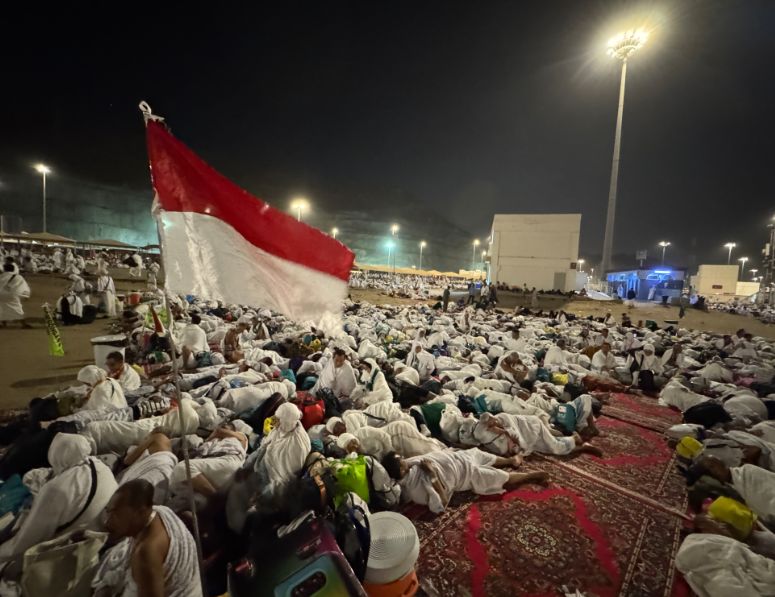
The Ministry of Hajj and Umrah (Kemenhaj) continues to encourage the development of the Hajj and Umrah economic ecosystem to expand the involvement of national products and businesses in a sector with an estimated annual economic potential of Rp194 trillion.
Tri Hidayatno, Director of Partnership Facilitation for the Development of the Hajj and Umrah Economic Ecosystem, stated that strengthening this ecosystem is a vital step towards increasing the economic benefits of Hajj and Umrah operations for the Indonesian people. “The economic potential of Hajj and Umrah is a strategic opportunity that must be optimised collectively. Through the development of an integrated ecosystem, we want to ensure that more Indonesian products, services, and businesses become part of the Hajj and Umrah value chain, so that the economic benefits can be felt more widely by the community,” Tri said in a statement on Thursday.
According to Tri, the development of the Hajj and Umrah economic ecosystem cannot be done in isolation. Synergy is required between regulators, investment managers, international partners, and business actors to ensure that the economic opportunities arising from Hajj and Umrah pilgrimages are maximised. He added that these efforts align with several strategic government programmes, including the planned development of a ‘Hajj Village’ (Kampung Haji), which is expected to strengthen the involvement of the national business sector.
Regarding the development of this ecosystem, increasing the use of domestic food products to meet the needs of Indonesian pilgrims in Saudi Arabia is a primary focus. Commodities such as premium rice and fishery products are considered to have great prospects for entering the pilgrims’ consumption supply chain.
Yosi, a representative from the Coordinating Ministry for Food, noted that the high demand for premium rice in Saudi Arabia could serve as a promising export opportunity for Indonesia. “The demand for premium rice in Saudi Arabia is an opportunity that needs to be utilised optimally. With strong collaboration and investment support, Indonesian food products have the chance to become a sustainable part of the Hord and Umrah supply chain,” he explained.
In addition to the food sector, stakeholders also discussed the development of Bonded Logistics Centres (PLB) to strengthen the distribution and supply chain for pilgrim needs, both in Indonesia and Saudi Arabia. Other aspects under consideration include improving food safety standards, strengthening investment, fostering partnerships with MSMEs, and managing Hajj DAM (sacrificial meat) operations.
As a follow-up, all involved parties agreed to strengthen cross-sector coordination, expand cooperation with partners in Saudi Arabia, and accelerate the preparation of mechanisms and a roadmap for the sustainable development of the Hajj and Umrah economic ecosystem. Through these steps, Kemenhaj hopes that the participation of national products and businesses in the Hajj and Umrah supply chain will increase, thereby providing greater added value to the Indonesian economy.
Source: jawawa.id (https://jawawa.id/newsitem/ministry-of-hajj-and-umrah-targets-national-products-to-enter-hajj-supply-chain-1782377448)
Originally published by Media Indonesia (https://mediaindonesia.com/humaniora/904232/kemenhaj-bidik-produk-nasional-masuk-rantai-pasok-haji-dan-umrah), translated from Indonesian