
Ministry of Hajj and Umrah deploys Mobile Crisis Rescue teams in Jamarat area
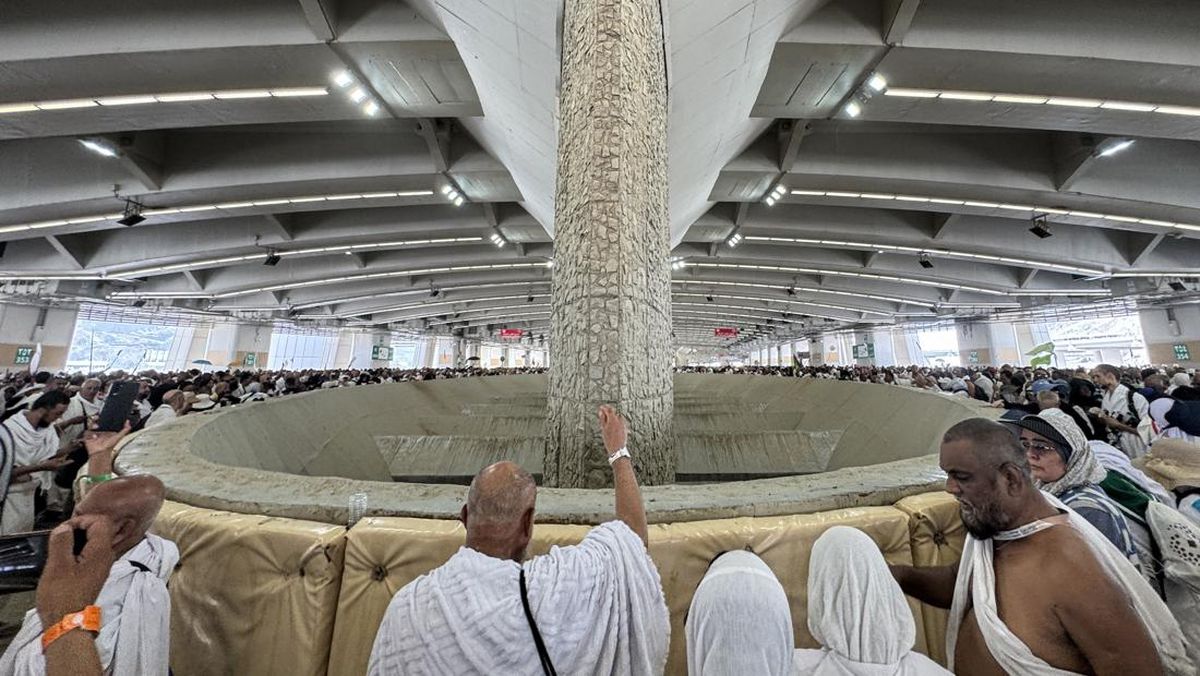
The Ministry of Hajj and Umrah (Kemenhaj) has bolstered protection services for Indonesian Hajj pilgrims during the Mina phase by deploying Mobile Crisis Rescue (MCR) teams in the Jamarat area. The teams are prepared to provide first aid, emergency evacuations, and manage crowd congestion during the stoning of the pillars (lontar jumrah) on the Days of Tashriq. Spokesperson Maria Assegaff stated that MCR is a key instrument in strengthening services at critical movement points for pilgrims. ‘Mobile Crisis Rescue (MCR) is a specialised team and command post from Hajj Service Personnel deployed in the Jamarat area of Mina. The team is responsible for providing first aid, conducting emergency evacuations, and managing crowd congestion during the peak Hajj rituals,’ Maria said in a written statement on Thursday (28 May). Maria explained that MCR command posts are placed at strategic points in the Jamarat area and along pilgrim transit routes. This placement enables officials to monitor situations in real-time, respond swiftly to emergencies, and provide immediate assistance to pilgrims in need. ‘MCR was specifically formed to respond to emergencies, including assisting unconscious, lost, or extremely fatigued pilgrims, as well as evacuating elderly and disabled individuals,’ she added. She stated that MCR’s presence is part of the ministry’s efforts to ensure all on-ground situations are handled promptly, accurately, and in coordination. ‘Pilgrim protection is a priority. Therefore, officials are not only stationed at pilgrim tents but also deployed along movement routes, observation posts, and potential congestion points. Every pilgrim requiring assistance must receive immediate help,’ Maria said. On 11 Dhu al-Hijjah 1447 AH, Indonesian Hajj pilgrims began the ritual of stoning the three pillars: Ula, Wustha, and Aqabah. Kemenhaj urges all pilgrims to adhere to their designated stoning schedules by cohort and avoid performing the ritual outside official timings. On 11 Dhu al-Hijjah, the stoning is scheduled in two sessions: the first from 17:00 to 24:00 Saudi time on 11 Dhu al-Hijjah, and the second from 00:00 to 04:00 on 12 Dhu al-Hijjah. The prohibited stoning period on 11 Dhu al-Hijjah is from 11:00 to 18:00 Saudi time. On 12 Dhu al-Hijjah, stoning is scheduled in two sessions: 05:00 to 10:30 and 18:00 to 24:00 Saudi time. The prohibited stoning period on 12 Dhu al-Hijjah is from 11:00 to 14:00 Saudi time. On 13 Dhu al-Hijjah, stoning is scheduled from 05:00 to 12:00 Saudi time, with no specific prohibited period as per the official schedule. Maria again reminded pilgrims not to overexert themselves or travel to Jamarat alone. All movements must be conducted in groups, accompanied by officials, and following the guidance of cohort leaders, group leaders, unit leaders, sector heads, and religious guides. ‘We urge pilgrims not to rush or push themselves. Follow the schedule, use official routes, and stay with the group. Pilgrim safety is a collective responsibility,’ Maria said.
Source: jawawa.id (https://jawawa.id/newsitem/ministry-of-hajj-and-umrah-deploys-mobile-crisis-rescue-teams-in-jamarat-area-1780008847)
Originally published by CNN Indonesia (https://www.cnnindonesia.com/nasional/20260528193239-20-1363185/kemenhaj-siagakan-tim-mcr-di-kawasan-jamarat), translated from Indonesian