
Ministry of Forestry: Social Forestry a Strategic Pillar for Economic Justice
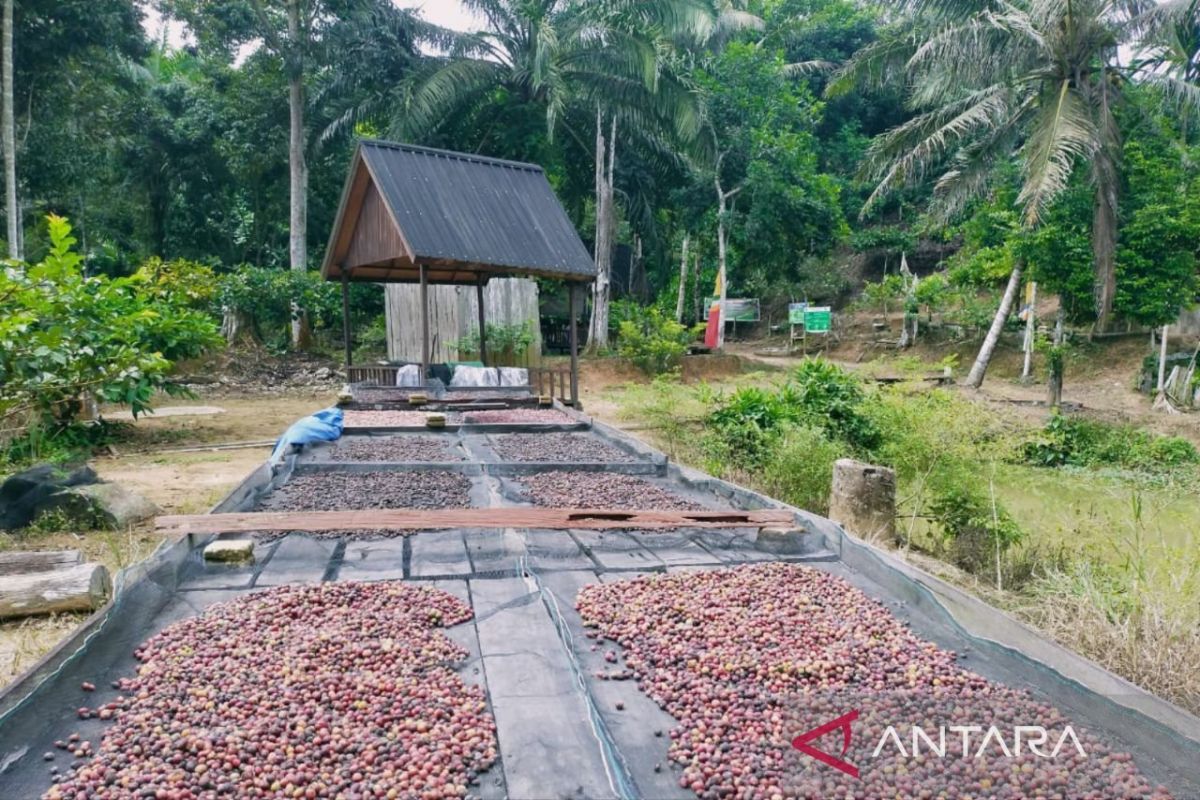
The Ministry of Forestry (Kemenhut) has affirmed that social forestry is a strategic national pillar in achieving economic justice for communities living in and around forest areas. “Additionally, social forestry serves as an important instrument in resolving agrarian conflicts and preserving our ecosystems,” said Ristianto Pribadi, Head of the Bureau of Public Relations and Foreign Cooperation at the Ministry of Forestry, when contacted in Jakarta on Friday. Ristianto stated that the ministry’s 2026 target for the development and realisation of social forestry aligns with the Social Forestry Roadmap 2025–2029, which was officially launched recently in Lebak, Banten. Based on the roadmap, the ministry’s concrete target for 2026 is to provide legal access for community groups to 60,000 hectares nationally. “Additionally, our current focus includes demarcating boundaries of areas that have been granted social forestry approval, developing business groups, and providing intensive assistance to groups in advancing their enterprises,” Ristianto said. Specifically for the customary forest scheme, the ministry has formed a Task Force for the Acceleration of Customary Forest Designation, tasked with unblocking communication barriers, cutting bureaucracy, and accelerating the integration of verification and validation of customary territories between the central government, regional governments, and indigenous community groups on the ground. Through this instrument, Ristianto said the government is committed to scaling up, “whereby novice social forestry groups are upgraded to independent groups capable of managing commodities self-sufficiently through high-economic-value Social Forestry Business Institutions (KUPS).” He added that these targets and efforts are further strengthened by cross-sector collaboration with various parties, including government agencies such as the Ministry of Agriculture, the Ministry of Villages, Development of Disadvantaged Regions, and Transmigration, the Ministry of Cooperatives, the Ministry of Micro, Small and Medium Enterprises, and various State-Owned Enterprises. Furthermore, the Ministry of Forestry is open to cooperation with other private parties willing to contribute through investment in community groups, commodity development, and the downstream processing of products generated from social forestry. “This cooperation is also concretely realised by bringing together producers or community groups directly with buyers in various business meetings to shorten the supply chain,” Ristianto said, “so that social forestry groups can obtain far more competitive prices, supported by academics and NGOs providing technical assistance in the field.”