
Ministry of Forestry Proposes Rp6.23 Trillion Budget Boost for El Niño 2027 Preparedness
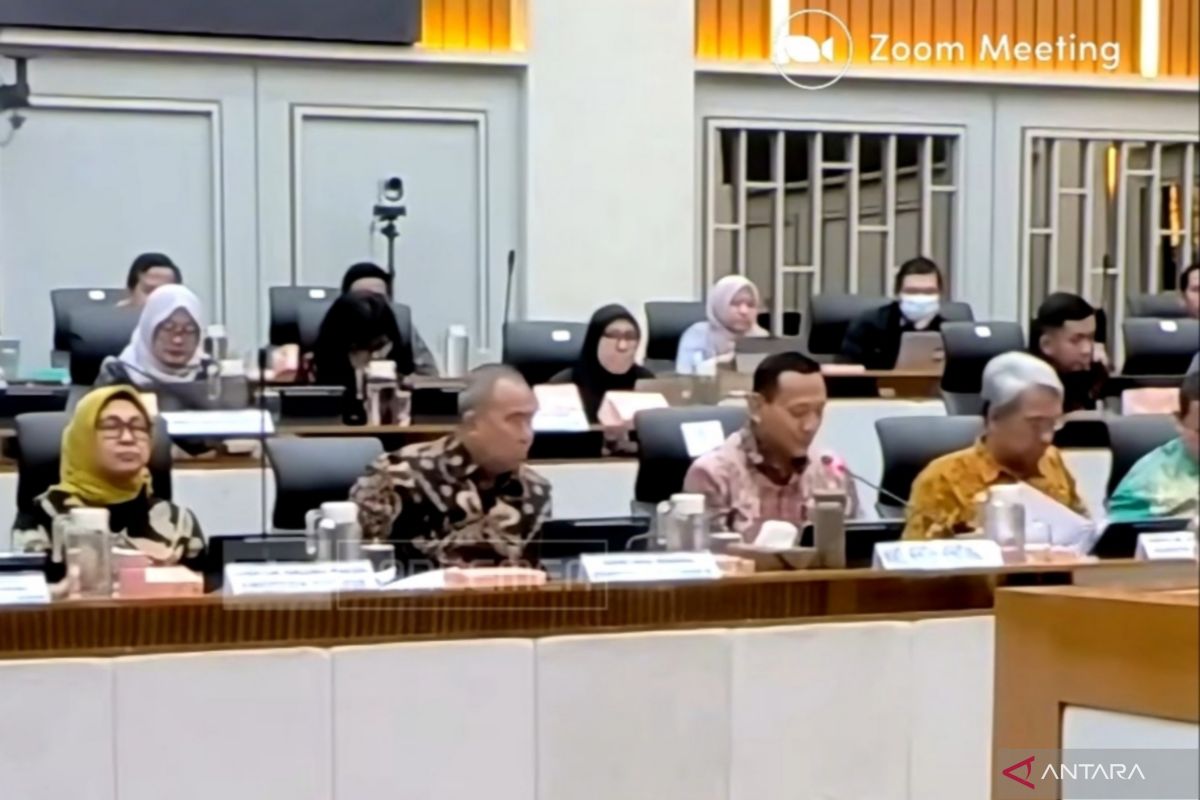
The Ministry of Forestry has proposed an additional budget of Rp6.23 trillion for the 2027 fiscal year to prioritise sustainable forest management, improve community welfare, and prepare for the predicted four-year El Niño cycle.
Deputy Minister of Forestry Rohmat Marzuki stated during a working meeting with Commission IV of the Indonesian House of Representatives in Jakarta on Thursday that the additional budget proposal was compiled based on forestry development needs, taking into account input from the legislature.
“The proposed additional budget will prioritise several key areas, one of which is forest fire prevention and control, to be used for renewing infrastructure, joint patrols with Fire Care Communities, and weather modification operations to anticipate the predicted four-year El Niño cycle in 2027,” he said.
He explained that another major priority is allocated for strengthening institutional capacity in the regions, covering the operationalisation of 35 working units for forest ecosystem development centres, as well as financing the recruitment and salaries of an additional 21,000 Forest Police personnel. Regarding the procurement of tens of thousands of Forest Police posts, the ministry confirmed it is currently in the final stages of discussion with the Ministry of State Apparatus Empowerment and Bureaucratic Reform.
In addition, to support the poverty alleviation programme, the ministry is committed to increasing community-based spending allocations through the distribution of productive economic tool assistance to communities living around forest areas. Furthermore, the strengthening of area governance will be optimised through the procurement of high-tech aerial monitoring equipment and light aircraft to tighten monitoring of activities and periodic supervision of land cover.
The Ministry of Forestry is also requesting additional funds for the management of Way Kambas and Tesso Nilo National Parks, the improvement of natural tourism facilities, and the acceleration of customary forest designation, which is targeted to reach 1.4 million hectares by 2029.