
Ministry of Forestry Encourages Social Forestry Farmers to Seize Opportunities in Non-Rice Food Trends
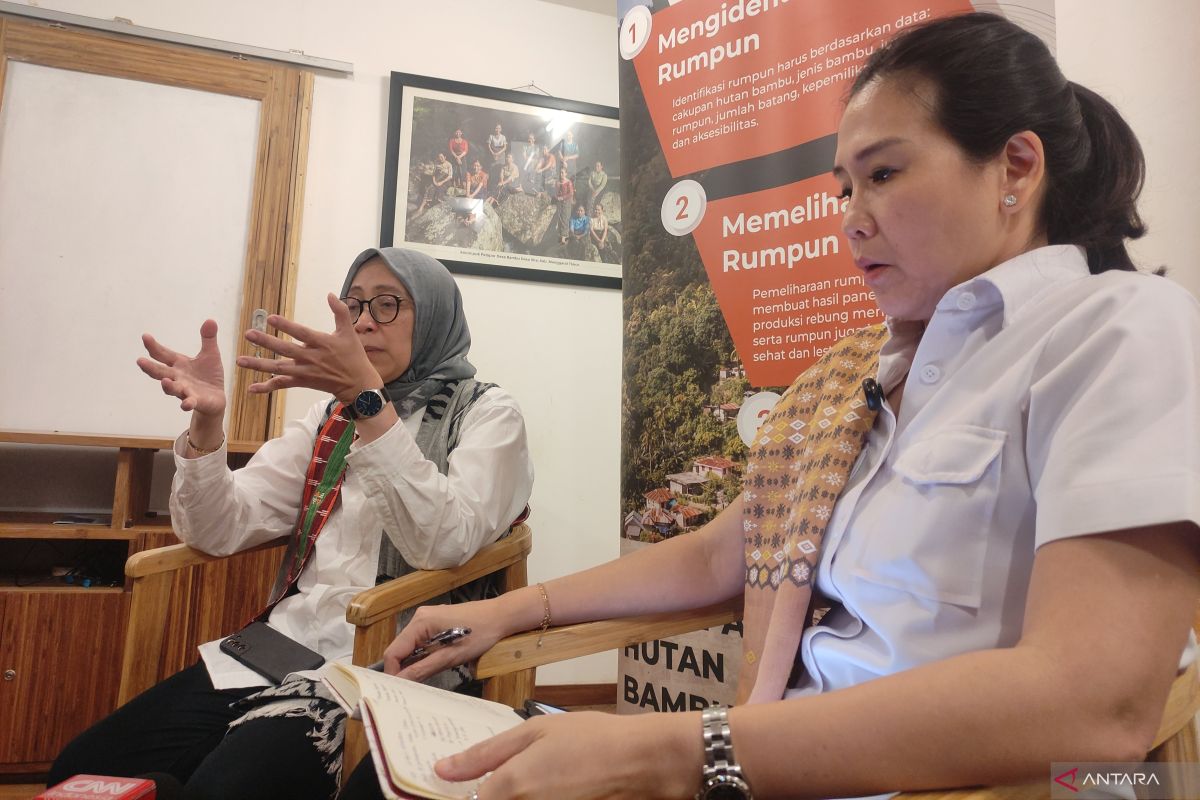
Labuan Bajo, East Nusa Tenggara (ANTARA) - The Ministry of Forestry is encouraging social forestry beneficiary farmers to be astute in identifying market trends, particularly the rising consumption of local non-rice foods that are now favoured by the millennial and Gen-Z generations for health reasons.
Director General of Social Forestry at the Ministry of Forestry, Catur Endah Prasetiani, stated that changes in societal consumption patterns present a significant opportunity for farmers managing forest areas.
“So, they must also be aware of market trends. Currently, people’s consumption is becoming more diverse, not just rice, but shifting to local foods like cassava and sorghum for health benefits. Moreover, the current generation is very concerned about nutrition,” she said after the social forestry restorative forum with the Ministry of Women’s Empowerment and Child Protection (PPPA) at the Bambu Lingkungan Lestari Foundation Campus in Labuan Bajo, East Nusa Tenggara, on Thursday.
Catur assessed that this opportunity must be seized through the application of agroforestry or wanatani patterns. In this pattern, communities do not only plant timber crops but also combine them with food and plantation crops under the forest canopy.
Although forest farmers in East Nusa Tenggara have only recently received permits for Social Forestry, Catur believes they are already sufficiently advanced to serve as a national model in developing leading non-rice food crop commodities such as porang and sorghum, involving up to 90 percent female farmers.
“The key to managing forest areas lies in three functions: protection, production, and even conservation. However, since this is social forestry, communities not only preserve the forest but also derive economic value from it. By planting commodities that sell well in the market, forest farmers will gain economic certainty. This agroforestry programme is the answer to both forest sustainability and community welfare,” she explained.
To that end, the Ministry of Forestry is committed to facilitating farmers in connecting with capital access and markets, while also forging collaborations with universities and relevant ministries in processing harvests and certification to enhance the added value of forest products.
“And this is the important role of guidance in directing suitable crop types. We assist with planting methods, harvest processing, and even halal certification facilitation for products like honey so they are ready to meet the market,” said Catur.
Source: jawawa.id (https://jawawa.id/newsitem/ministry-of-forestry-encourages-social-forestry-farmers-to-seize-opportunities-in-non-rice-food-trends-1778181225)
Originally published by Antara (Indonesian) (https://www.antaranews.com/berita/5558780/kemenhut-dorong-petani-hutan-tangkap-peluang-tren-pangan-non-beras), translated from Indonesian