
Ministry of Forestry Drives Presidential Instruction to Integrate Elephant Habitat Protection into Development
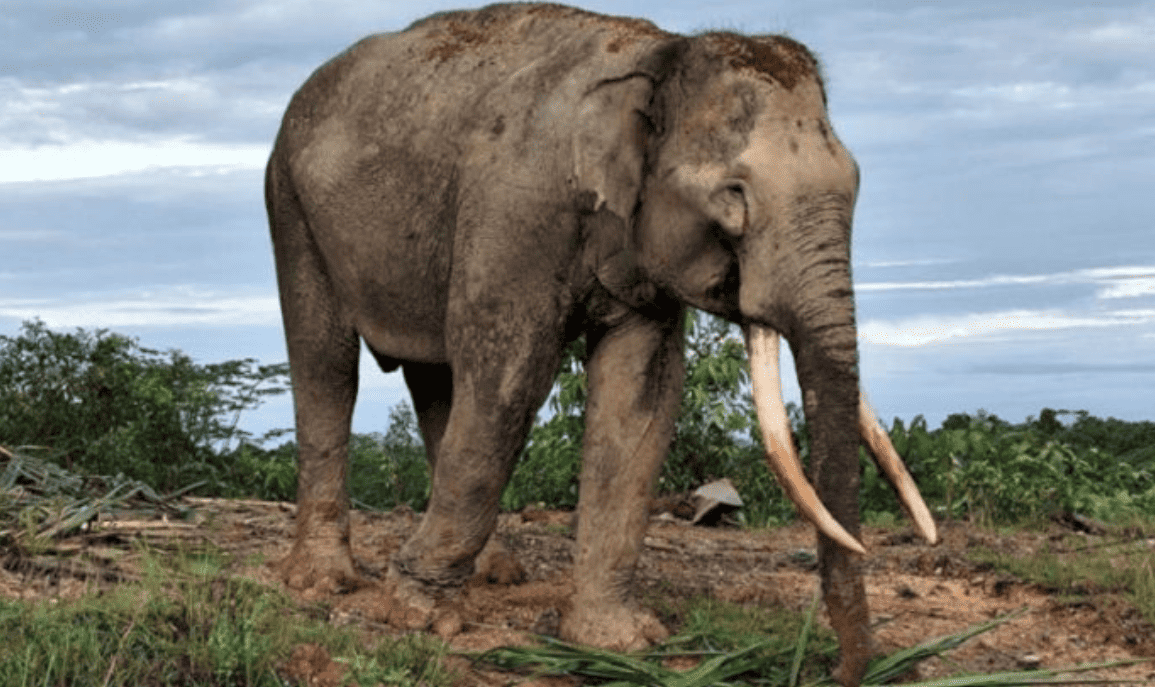
The Indonesian Government, through the Ministry of Forestry, is strengthening wildlife conservation efforts by integrating elephant habitat protection into national development projects. This strategic move is based on Presidential Instruction (Inpres) No. 8 of 2026, which serves as the primary legal framework for aligning infrastructure needs with the sustainability of Sumatran and Kalimantan elephant ecosystems.
This policy is seen as a crucial momentum to ensure that economic progress through the construction of roads, dams, and energy networks does not sacrifice the survival of endangered species. The main focus is creating ecological connectivity that allows elephants to continue moving along their natural roaming routes despite surrounding development activities.
The Chairman of the Indonesian Elephant Conservation Forum (FKGI), Doni Gunaryadi, stressed that every strategic infrastructure project intersecting with elephant habitats must accommodate the principle of ecological connectivity from the planning stage. According to him, development and conservation should not be viewed as conflicting interests.
“The provision of wildlife corridors, wildlife crossings, corridor protection zones, speed regulation, and early warning systems must be an inseparable part of development planning,” Doni stated on Friday (17/7).
Implementation in the field covers several technical mitigation aspects. Although regulations are in place, FKGI acknowledges that challenges on the ground are immense. Currently, most elephant population pockets in Sumatra and Kalimantan are already squeezed against plantation areas, settlements, and national strategic projects. This condition demands intensive coordination among stakeholders.
Doni assessed that the success of this Presidential Instruction heavily depends on the willingness of cross-ministry bodies, local governments, and business actors to respect each other’s interests. Without strong coordination, the risk of habitat fragmentation will increase, ultimately triggering a rise in human-elephant conflict.
Signed on 15 June 2026 by President Prabowo Subianto, the instruction includes six main rescue points. Minister of Forestry Raja Juli Antoni confirmed that the Inpres specifically regulates the involvement of various sectors. He cited an example: if the Ministry of Public Works builds a road that cuts through an elephant’s home range, that ministry is obliged to build a special corridor.
“Likewise, if a plantation encroaches on an elephant roaming route, space must be vacated and even enriched to become a preservation area so that elephants can still move in their habitat with sufficient food,” Raja Juli explained while reviewing the condition of a baby elephant in Tesso Nilo National Park, Riau.
This instruction is directed at a broad range of ministers, from the Minister of Agriculture, Agrarian Affairs and Spatial Planning, Energy and Mineral Resources, Public Works, to the Minister of Investment and Downstreaming. At the regional level, Governors, Regents, and Mayors in Sumatra and North Kalimantan are also instructed to align regional spatial planning policies with elephant habitat protection.