
Ministry of Environment Prioritises Waste-to-Energy Plants in Three High-Fiscal Regions
The Ministry of Environment (KLH) is prioritising the construction of Waste-to-Energy (PSEL) plants in three regions with high fiscal capacity.
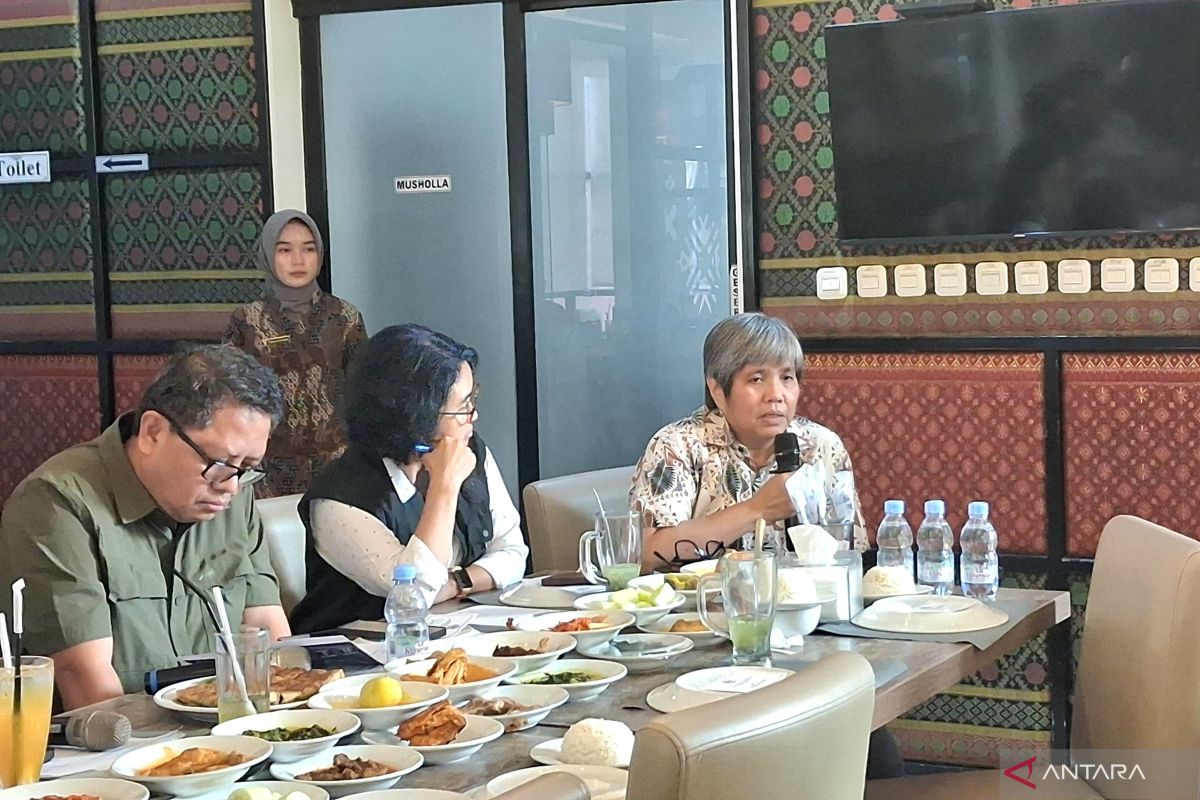
During a media discussion in Jakarta on Friday, the Director of Waste Management at the Ministry of Environment, Melda Mardaluna, identified the three regions as Bali, Bogor, and Bekasi, all of which have expressed their readiness to manage PSEL projects.
“Bali is a major tourist destination and involves two regencies/cities, Denpasar and Badung; both have large regional budgets and have stated their capability. Second is Bekasi, a metropolitan city with high fiscal capacity, and third is the Greater Bogor area. This technology requires significant investment and operational costs,” she stated.
Melda emphasised that PSEL technology, or incinerators using high-temperature combustion, should be considered a last resort, particularly for metropolitan and large cities with high fiscal capacity.
“Local governments must also be able to supply approximately 1,000 tonnes of waste per day, provide or purchase land, build access roads, and ensure transportation systems. With truck capacities of around 5–8 cubic metres, transport requirements could reach approximately 150 trucks per day,” she added.
She further noted that investors require certainty regarding waste supply and commitment from local governments to ensure that investments remain sustainable.
Additionally, the Ministry of Environment reminded business operators in the hotel, restaurant, and cafe (Horeca) sectors within tourist areas of their obligation to manage their own waste, in accordance with Law Number 18 of 2008 and Government Regulation Number 81 of 2018.
“Business operators are required to provide waste sorting facilities and perform waste separation. Management can be carried out individually or collectively within a single area,” Melda said.
The Ministry assessed that effective waste management can add value to tourist destinations, particularly for international tourists, whereas poor waste management can damage the image of a tourist area.