
Ministry of Environment Mandates Wastewater Treatment for Free Nutritious Meal Kitchens
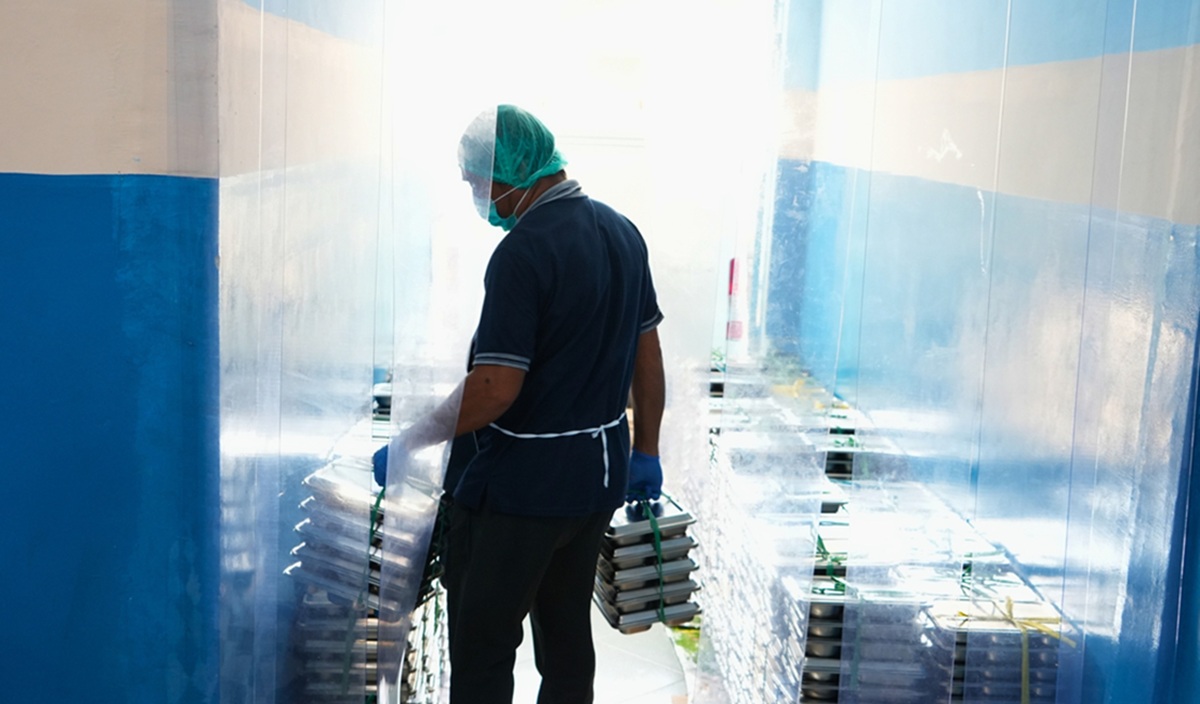
The Ministry of Environment is strengthening oversight of wastewater management at the Nutritional Fulfilment Service Units, or kitchens, of the Free Nutritious Meal programme. The measure is intended to ensure the success of this national strategic programme is measured not only by food quality but also by its environmental impact.
This provision refers to National Nutrition Agency Regulation Number 1 of 2026 concerning Guidelines for the Management of Food Waste, Rubbish, and Domestic Wastewater at SPPGs, which requires every kitchen to manage leftover food, rubbish, and wastewater resulting from its operations.
Director of Water Quality Protection and Management at the Ministry of Environment, Tulus Laksono, stressed that wastewater management is an inseparable part of the programme’s success. “The Free Nutritious Meal programme must provide complete benefits to the community. Therefore, every SPPG is required to ensure that the wastewater produced is managed according to standards so as not to cause pollution and to continue supporting a healthy environment for the nation’s future generations,” Tulus said on Saturday (13/6).
Each SPPG is required to ensure that the wastewater produced is treated to meet quality standards before being discharged into the environment. To support this provision, the government has issued Minister of Environment Decree Number 2760 of 2026 concerning Quality Standards and Technology Standards for Domestic Wastewater Treatment at SPPGs.
Wastewater treatment practitioner Habibi from IPAL Treatment Indonesia explained that liquid waste from kitchen and sanitation activities generally contains organic matter, suspended solids, ammonia, detergents, as well as oil and grease, which require treatment before being discharged into the environment. Based on calculations for a treatment capacity of 10 cubic metres per day, the pollutant content from kitchen wastewater can be quite high, making wastewater treatment plants an essential requirement.
“Proper wastewater management can prevent river pollution, maintain the quality of water resources, and create a healthier and more comfortable environment for the community,” said Habibi.
As the number of SPPGs increases across various regions, the need for adequate wastewater management systems is considered increasingly urgent. The Ministry of Environment invites SPPG managers, local governments, wastewater treatment technology providers, and the community to ensure that every nutritional service facility implements wastewater management in accordance with applicable regulations, so that the programme’s benefits can be enjoyed without sacrificing the quality of rivers and water sources for future generations.
Source: jawawa.id (https://jawawa.id/newsitem/ministry-of-environment-mandates-wastewater-treatment-for-free-nutritious-meal-kitchens-1781405409)
Originally published by Media Indonesia (https://mediaindonesia.com/humaniora/900308/klh-wajibkan-dapur-mbg-kelola-air-limbah-sesuai-baku-mutu), translated from Indonesian