
Ministry of Education, Science and Technology Involves Universities and Industry in the Development of Waste-to-Energy Plants
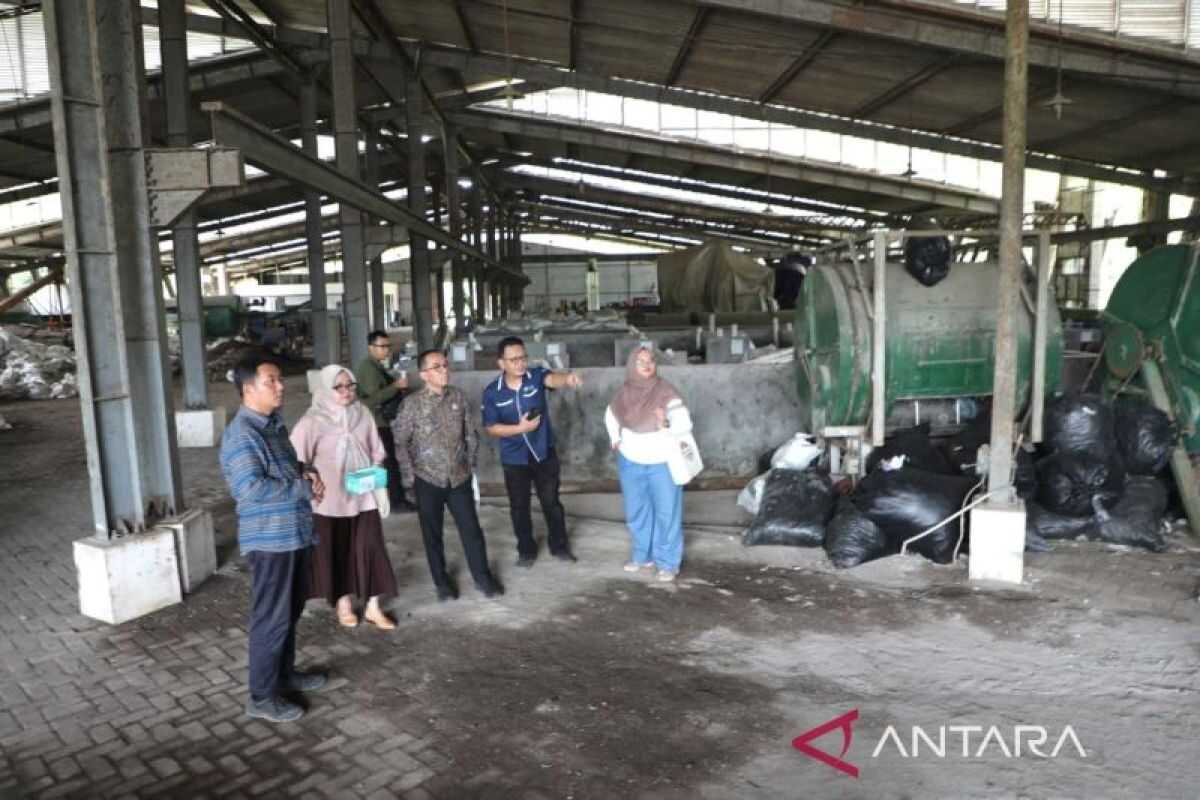
Jakarta (ANTARA) - The Ministry of Education, Science and Technology (Kemdiktisaintek) is involving universities and industry in the development of Waste-to-Energy (PLTSa) plants.
A discussion on technology-based waste management solutions through the PLTSa scheme was held with representatives from several foreign universities, the Bandung Institute of Technology (ITB), and PT Rekayasa Industri (Rekind), at a meeting at the Kemdiktisaintek office on Tuesday (24/2).
“It is important for us that the design is based on clear and measurable calculations, both in terms of capacity, cost, and sustainability,” said the Minister of Education, Science and Technology (Mendiktisaintek) Brian Yuliarto in a statement in Jakarta on Thursday.
Minister Brian emphasised the importance of a science-based and comprehensive technical approach to ensure that the solutions produced are not only technically effective but also economically and environmentally sustainable.
He sees strengthening the role of universities and research institutions as key to formulating an integrated waste management model, including a combination of micro-scale processing at the community level and larger, centralised facilities.
According to Brian, this approach can minimise waste mobility, improve the stability of waste-derived fuel (RDF), and strengthen quality control and environmental impact aspects.
The discussion concluded that around 55 per cent of waste is organic. Processing at the initial stage, both at the household and community levels, is considered strategic to reduce the burden of transportation and accumulation at final disposal facilities.
This model opens up opportunities for universities to contribute to developing data-based calculations regarding ideal capacity, regional typology, and logistical efficiency, so that the system design can be adapted to the characteristics of each region.
In addition, the stability of the quality and calorific value of RDF is a key factor in ensuring that the plant can operate optimally and sustainably. In this context, Kemdiktisaintek encourages strengthening research and technological innovation in the country to ensure that the design of the plant, combustion system, and emission control are designed according to the characteristics of national RDF.