
Ministry of Culture Supports Proposal to Designate Larvul Ngabal as Intangible Cultural Heritage
Jakarta (ANTARA) - The Ministry of Culture (Kemenbud) supports the active efforts of the Southeast Maluku Regency Government to propose the designation of the Larvul Ngabal customary law as Indonesia’s intangible cultural heritage.
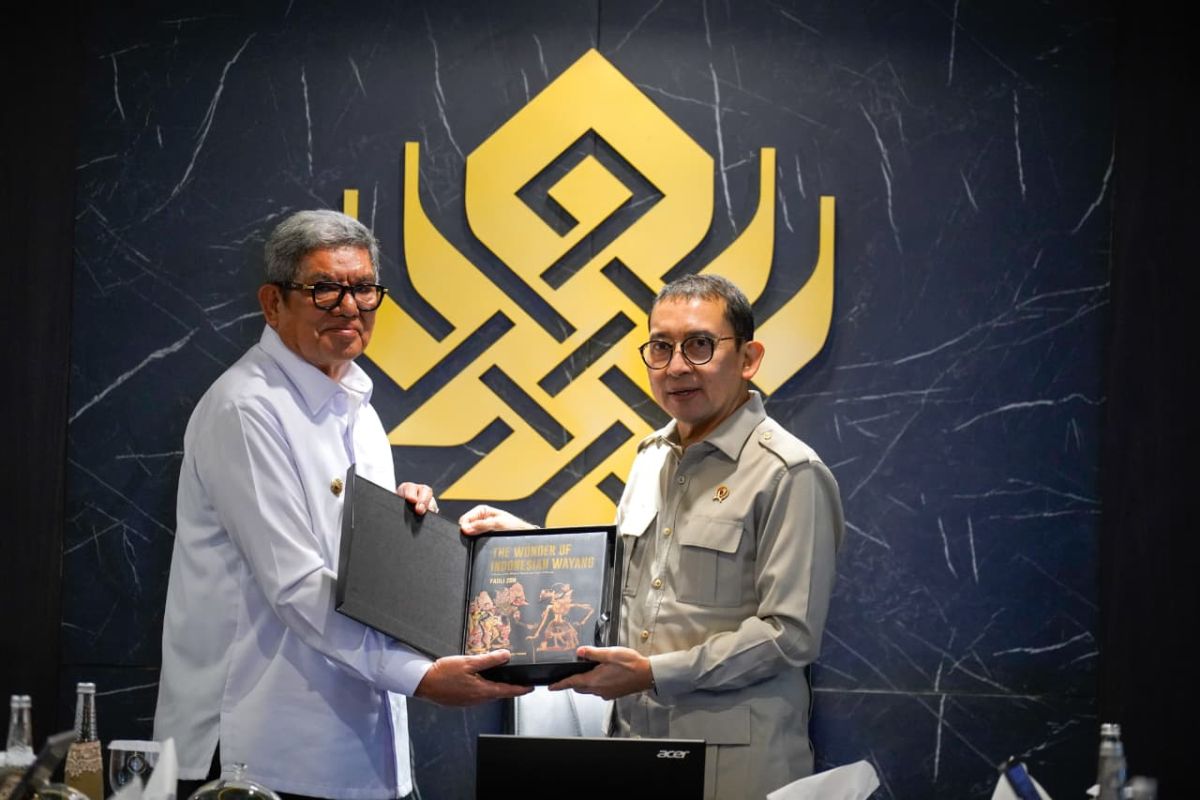
During a meeting with Southeast Maluku Regent Muhammad Thaher Hanubun at the Ministry of Culture office in Jakarta on Tuesday (7/4), Culture Minister Fadli Zon also appreciated the community’s efforts in Southeast Maluku to preserve that customary law.
The Director General of Cultural Protection and Traditions at the Ministry of Culture, Restu Gunawan, as quoted in the ministry’s press release on Wednesday, conveyed the importance of regional government support in recording and documenting cultural heritage.
“The regional government needs to guide the systematic recording of cultural assets, prepare supporting documents for submission to UNESCO. In addition, local cultural heritage also needs to be promoted to be designated as national cultural heritage,” he said.
Restu also highlighted the opportunities to utilise the Dana Indonesia Raya as an instrument to support cultural activities in the regions, whether by individuals, communities, or cultural institutions.
“The Dana Indonesia Raya can be used to encourage various cultural activities and strengthen public spaces to be more friendly towards cultural activities,” he said.
The Southeast Maluku Regent stated that the regency government is documenting and preserving the Larvul Ngabal customary law as part of efforts to strengthen values and societal life based on local wisdom.
Larvul Ngabal is a customary law that encompasses social regulations, human dignity, and property rights. This customary law has been passed down through generations in the Kei Islands region, Southeast Maluku.
The Southeast Maluku Regent conveyed that the Kei Islands are an important node of the Nusantara maritime civilisation that still maintains a structured and sustainable cultural living system.
“Kei culture represents a living cultural system that is organised and continuously implemented in the social life of the community. This shows that culture is not only inherited but also regulates social relations, customs, leadership, to community living spaces,” he explained.
Joint efforts between the central and regional governments are necessary to document and preserve the culture of the Kei Islands community.